
What is Interview Intelligence? How can it help you make your recruitment 10x smarter in 2025?
 Roonan Lingam
11 min read
Roonan Lingam
11 min read
Think back to weekend family road trips.
Someone held the map, someone guarded the snacks, and someone insisted on a “shortcut” that rarely worked. The real fun was spotting signs and anticipating turns together.
In short, that’s how interview intelligence in hiring works too. Powered by a machine learning model and natural language processing, it uncovers hidden signals beyond surface answers.
It compares responses to the job description, learns from every interaction, and applies a learning process that helps them produce realistic info. Simply put, it reduces bias, cuts guesswork, and drives better hiring decisions.
What is interview intelligence, and why is it critical in 2025 hiring?

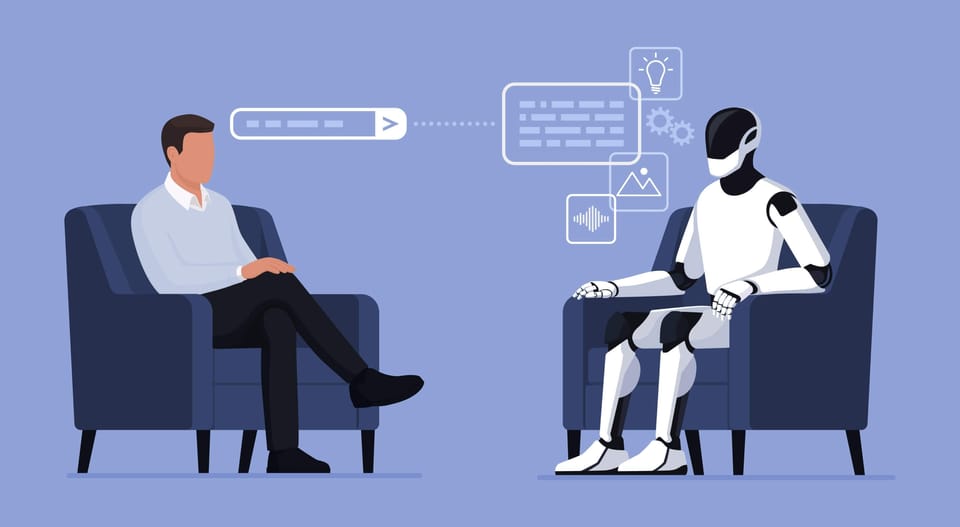
Interview intelligence is technology that uses artificial intelligence to analyze job interviews, turning conversations into structured insights. It listens, interprets, and highlights patterns that human judgment alone might miss.
In 2025’s fast-moving talent market, this makes hiring more consistent, fair, and evidence-driven. By capturing audio, transcripts, and nonverbal signals, it transforms the interview process into reliable data that supports better decision-making and stronger hiring outcomes.
How does interview intelligence differ from ATS or video interview platforms?
An ATS is like a filing cabinet, it stores resumes and applications. However, it is like a coach: it listens, interprets, and guides decisions. Here’s how it stands apart from traditional hiring tools:
- Deeper analysis of conversations: Unlike an ATS, interview intelligence systems review responses in real time to reveal hidden signals.
- Beyond recordings: Platforms capture interviews, but interview analytics software translates tone, language, and pauses into useful insights.
- Smarter evaluations: Instead of checklists, it helps them identify strengths with context, especially when tackling artificial intelligence interview questions.
- Integrated ecosystem: Best interview intelligence systems work alongside ATS tools, making hiring workflows sharper without replacing them.
Why has AI-driven analysis become a boardroom priority?
AI-driven analysis is like switching on stadium floodlights during a night game, it reveals details hidden in the dark. For today’s boardrooms, that clarity is non-negotiable. Here’s why leaders are making it a top hiring priority:
- Sharper insights at scale: Boards now expect evidence-driven hiring backed by artificial intelligence interview analysis, not gut instincts.
- Fairer processes: Using emotional intelligence interview questions, leaders ensure human work is weighed alongside technical expertise.
- Strategic advantage: Business intelligence interview questions and analytics tie talent outcomes to financial performance, making hiring a measurable board-level concern.
- Future readiness: In 2025, interview analytics software reduces risks, speeds decisions, and aligns with compliance and governance needs
How does interview intelligence actually work?

Picture a detective piecing together clues, every glance, word, and pause adds context to the bigger picture. In short, it works the same way: it gathers signals, interprets them through AI, and transforms conversations into insights that guide hiring teams.
It begins with capturing multiple streams of information. Audio, transcripts, and interview notes combine to build a full picture of each job interview. AI connects these responses to the job description, evaluates interview skills, and applies machine learning to reveal patterns that traditional recruiting often overlooks. This structured plan makes hiring less about guesswork and more about evidence.
Finally, insights are returned in formats that leaders can use immediately. Dashboards surface strengths and risks, structured summaries aid collaboration, and records link clearly back to job requirements. For candidates, this approach means a fairer path toward their dream job, and for companies, it creates smarter, faster recruiting decisions.
What data does it capture (audio, video, notes, transcripts)?
Interview intelligence captures multiple data streams, processes complex datasets, and uses weak AI systems to create a reliable view of the interview process. Over time, these tools improve model performance, aligning every job description with sharper insights.
- Audio recordings: Capture tone, pauses, and emphasis for richer interpretation. Optimization algorithms help AI models detect subtle shifts, especially in responses to behavioral questions.
- Video footage: Observe expressions, eye contact, and body language. Whether in-person or on google meet, ai models highlight cues linked to the job description.
- Transcripts: Speech-to-text converts spoken words into structured records. These records tie directly to the job description, ensuring consistency across the interview process.
- Notes integration: Interview notes combine with automated observations. Ai models balance human input with system insights, strengthening interview skills matched to the job description.
- Interaction patterns: Measures talk time and interruptions to show communication style. This supports a fairer interview process and aids tools like interview copilot.
Which AI/LLM techniques power it (speech-to-text, sentiment, skill tagging, bias detection)?
Deep learning is like the engine under a car hood—you rarely see it, but it powers the entire journey. In short, interview intelligence uses machine learning, LLMs, and optimization methods to analyze the interview process and map answers to the job description.
Looking at these points, it’s clear that each method strengthens it by turning conversations into structured, reliable insights for better decisions.
- Speech-to-text: Converts spoken answers into accurate transcripts during a job interview, even through google meet.
- Sentiment analysis: Detects tone, confidence, and hesitation, surfacing strengths in line with the job description.
- Tagging: Links responses to role-specific needs, ensuring interview copilot tools align with the job description.
- Bias detection: Flags unfair language or scoring patterns, giving organizations stronger control of the interview process.
- Contextual modeling: Analyzes behavioral questions across datasets, helping ai models refine insights for fairer outcomes.
How are insights delivered to recruiters and managers?
Think of GPS directions after a long drive, you don’t need every detail, just the clearest route forward. In short, interview intelligence delivers insights in easy-to-use formats that support decisions.
- Dashboards: Show strengths, gaps, and red flags instantly.
- Structured remarks: Provide real-time prompts and highlights during interviews.
- Searchable transcripts: Make it easy to revisit key answers quickly.
- Collaboration tools: Scorecards align panel members.
- Actionable summaries: AI distills interviews into takeaways recruiters can trust for faster, fairer decisions.
What are the core use cases of interview intelligence in enterprises?

Think of interview intelligence like a Swiss Army knife, it adapts to multiple situations. In short, enterprises use it to standardize interviews, reduce bias, improve candidate experience, and enable collaboration across hiring teams at scale.
Standardizing panel interviews across roles
Enterprises often face inconsistency when several interviewers evaluate the same role. Interview intelligence creates structured frameworks that align questions, evaluation criteria, and scoring formats. This brings fairness across departments and geographies, making staffing decisions more consistent and transparent.
Detecting unconscious bias in evaluations
Bias can slip into hiring, from accents to familiar backgrounds. Interview intelligence spots these patterns by analyzing language against neutral benchmarks. This promotes fairness and supports DEI goals, helping enterprises build more diverse teams with confidence.
Measuring candidate experience and fairness
Today’s job seekers expect transparency and equality during interviews. Interview intelligence shows how fairly individuals are treated, how much speaking time they get, and the sentiment of interactions. These insights expand knowledge, refine interviewer behavior, improve scheduling, and support more informed decisions for a balanced experience.
Providing real-time prompts and structured notes for interviewers
Interviewers juggle listening and questioning, which often leads to missed signals. Interview intelligence offers live prompts and suggestions that keep conversations on review. These nudges capture key details, improve post-interview evaluations, and can even support mock interview practice for customers preparing teams.
Enabling post-interview collaboration (searchable transcript, scorecards)
After interviews, aligning multiple stakeholders is time-consuming and often subjective. Interview intelligence enables seamless collaboration by generating searchable transcripts, shared annotations, and standardized scorecards. This makes discussions more objective, cuts down delays, and ensures hiring decisions are based on evidence rather than memory or opinion.
What are the business benefits of interview intelligence?

Hiring is like managing a supply chain, you want every step to be efficient, reliable, and cost-effective. In short, interview intelligence provides business outcomes by making recruitment faster, fairer, and more aligned with enterprise goals.
Faster hiring decisions (time-to-fill reduction)
- Automated workflows: Transcripts are created instantly, freeing recruiters to focus on evaluation.
- Faster alignment: Structured scorecards keep stakeholders on the same page.
- Quick insights: Signals surface quickly, just like business intelligence interview questions reveal patterns efficiently.
Higher consistency and fairness in evaluation
- Standardized frameworks: Every candidate is measured on the same structured criteria.
- Reduced variation: Interviewer interpretation differences shrink with shared prompts and evaluation rubrics.
- Reliable reporting: Consistent data improves enterprise-level analysis and recording.
Reduced bias and better compliance in regulated industries
- Bias detection: Patterns in language or scoring are flagged automatically.
- Audit readiness: Detailed records simplify compliance in heavily regulated industries.
- DEI reinforcement: Embeds fairness into hiring decisions to support diversity initiatives.
Improved candidate experience
- Balanced airtime: Candidates get equal opportunity to speak and demonstrate skills.
- Transparent evaluations: Clear scoring and structured criteria build trust in the process.
- Positive branding: Smooth experiences leave candidates more likely to recommend or accept offers.
Cost savings from fewer mis-hires
- Lower turnover costs: Reduces expenses from rehiring, retraining, and lost productivity caused by poor-fit hires.
- Better role alignment: Structured evaluations ensure candidates are matched to skills and culture more accurately.
- Improved retention: By hiring the right people upfront, organizations spend less on backfilling roles.
- Financial resilience: Minimizes wasted recruitment budgets and protects overall profitability in competitive markets.
TL;DR
- Interview intelligence streamlines recruitment by speeding up decisions and ensuring fairness.
- Automated transcripts and structured scorecards reduce hiring delays.
- Standardized frameworks improve consistency and reporting.
- Compliance and DEI goals are reinforced through bias detection.
- Better experience reduces mis-hires and boosts retention.
What are the risks and ethical considerations?

When organizations adopt interview intelligence, the real challenge isn’t the technology itself but how responsibly it’s applied.
By setting clear governance models, involving HR and legal teams, and keeping humans actively engaged in decision-making, companies can reduce risks while unlocking real value. Responsible adoption ensures interview intelligence improves hiring without compromising trust, fairness, or compliance.
Privacy, consent, and candidate transparency
Interview intelligence relies on capturing audio, and transcripts, which makes privacy a front-line concern. Candidates should know what is being recorded, why it matters, and how it will be used. Clear consent and open communication build trust and help organizations avoid misunderstandings or potential legal challenges.
Bias amplification if training data is flawed
AI systems are only as reliable as the data behind them. If training datasets reflect biased patterns, interview intelligence can unintentionally reinforce those same issues. Enterprises need regular audits, diverse data sources, and human checks to ensure that bias is being reduced, not scaled up.
Over-reliance on AI vs human judgment
While AI highlights patterns and provides structured insights, it should not replace human decision-making. Managers bring context, empathy, and situational awareness that algorithms cannot replicate. The most effective use of interview intelligence comes when human expertise and AI work together, creating balance instead of dependence.
What are the best practices for adopting interview intelligence?

How do you ensure candidate consent & transparency?
Trust starts with clarity. Candidates need to know what interview intelligence collects, how it works, and why it values them. Simple explanations before an interview, clear consent forms, and open communication help reduce anxiety and build confidence in the process.
What governance model should HR/legal set up?
Strong governance protects both the business and the candidate. HR and legal teams should work together to define rules for data storage, access, and usage. Setting review schedules and accountability checkpoints ensures ethical standards are upheld as technology evolves.
How to train interviewers to use AI prompts responsibly?
Interviewers should view AI prompts as helpful guides, not scripts to follow blindly. Training programs can show how to balance prompts with active listening. This makes interviews more natural while still strengthening from structure and consistency.
How to design a “human-in-the-loop” process?
AI should assist, not decide. A human-in-the-loop setup ensures managers remain accountable for final hiring calls. By blending AI insights with human judgment, organizations create balanced, fair, and context-driven evaluations that reflect both data and empathy.
Which KPIs should HR track to prove ROI?
The impact of interview intelligence should be measurable. HR can track metrics like reduced time-to-fill, candidate satisfaction scores, interviewer alignment, and post-hire retention rates. These KPIs connect the technology’s value directly to business outcomes and help justify ongoing investment.
Common mistakes when using interview intelligence (and quick fixes)

Even powerful tools can backfire if used poorly. In short, avoiding a few common mistakes ensures it helps more than it harms. Here’s where teams often go wrong—and how to fix it.
Not explaining to candidates: trust loss
When candidates don’t understand how interviews are recorded or analyzed, trust erodes quickly. Always communicate what data is captured, why it matters, and how it’s used. Sharing this upfront not only builds confidence but also reassures candidates that fairness, transparency, and accountability guide your hiring process.
No suppression rules: deanonymization risk
Without suppression settings, sensitive data like personal identifiers or irrelevant details may surface in transcripts. This raises privacy concerns and can undermine compliance efforts. By implementing suppression rules, recruiters protect candidate identity, reduce risk, and maintain professional standards throughout the workflow.
Treating AI scores as final: legal risk
AI insights are helpful, but treating them as the ultimate verdict creates risk. Hiring decisions based solely on algorithmic scores could invite bias or legal scrutiny. The quick fix is blending AI-generated outputs with human judgment to ensure fairness, accountability, and context-driven evaluations that stand up under compliance review.
Not aligning with HR/DEI goals
Interview intelligence loses impact if it runs separately from broader HR and diversity strategies. Failing to align tools with DEI goals may reinforce inequality instead of reducing it. Embedding interview intelligence into enterprise policies ensures it becomes a driver for fairness, inclusion, and long-term cultural improvements.
Conclusion
Hiring today goes beyond filling open positions, it’s about building stronger cultures and future-ready teams. This is where it proves vital, turning raw conversations into meaningful insights. With structured analysis, organizations gain fairness, speed, and trust in the process by applying smarter solutions.
The real strength of an AI structured interview is consistency. Combined with modern AI interview tools, hiring teams gain sharper visibility into performance.
This balance ensures efficiency without losing the human judgment that makes hiring empathetic. Users can explore solutions, apply suggestions, and build confidence that leads to long-term success.
The value of interview intelligence is clear, fewer mis-hires, improved experiences, and quicker decisions aligned with business goals. To extend these gains, CultureMonkey delivers solutions that transform feedback into action.
Organizations can explore suggestions, join continuous improvement efforts, and create workplace success with measurable, lasting impact.
Summary
- Interview intelligence uses automation and AI insights to make interviews more structured and actionable.
- Standardized scorecards create fairness while building reliable enterprise-level data.
- DEI goals are supported by bias detection and transparency measures.
- Candidate experiences improve through balanced airtime and clear evaluations.
- CultureMonkey can help enterprises act on feedback and track engagement, linking interview outcomes to workplace culture.
FAQs
What is interview intelligence in recruitment?
Interview intelligence is technology that analyzes job interview conversations using AI. It captures audio and transcripts, then surfaces insights on sentiment, patterns, and quality. Users apply this guidance to make hiring decisions faster, fairer, and more consistent across teams, helping job seekers reach their dream job.
How does interview intelligence differ from ATS or video interviews?
An ATS manages resumes and workflows, while standard platforms only store records. Interview intelligence goes further, it analyzes responses, detects patterns, and delivers insights that users can apply directly. With this guidance, the system becomes a decision-support tool rather than just storage.
What are the top benefits of interview intelligence?
It reduces hiring time, standardizes evaluations, minimizes bias, and enhances candidate relationships. For enterprises, interview intelligence also lowers mis-hire costs, improves compliance, and provides users with guidance to make more informed decisions and cancel inefficiencies in the hiring journey.
How does AI analyze interviews fairly?
AI applies speech-to-text, sentiment analysis, and tagging across every job seeker uniformly. Fairness comes from standardized criteria, diverse datasets, and human oversight. This guidance ensures users maintain quality judgments while keeping evaluations inclusive, transparent, and aligned with the job description.
What risks are associated with interview intelligence?
Key risks include privacy concerns, bias amplification if datasets are flawed, and over-reliance on automated scoring. With guidance, users can run audits, apply suppression rules, and cancel errors. These steps create quality outcomes for organizations and safeguard relationships with job seekers.
Can AI help me prepare for an interview?
Yes, AI can help by generating practice questions, simulating mock interviews, and analyzing responses. Users receive guidance on tone, clarity, and delivery, making preparation for a dream job more structured and improving quality. This helps candidates approach interviews with more confidence.
More from HummerAI Blog

Recruitment dashboard guide: what to track and why it matters
A recruitment dashboard is a centralized view of hiring activity that shows role status, candidate progress, bottlenecks, and key metrics, helping teams track what’s moving, what’s stalled, and where decisions are needed across the hiring process.
STAR method interview questions: How to answer them with real examples
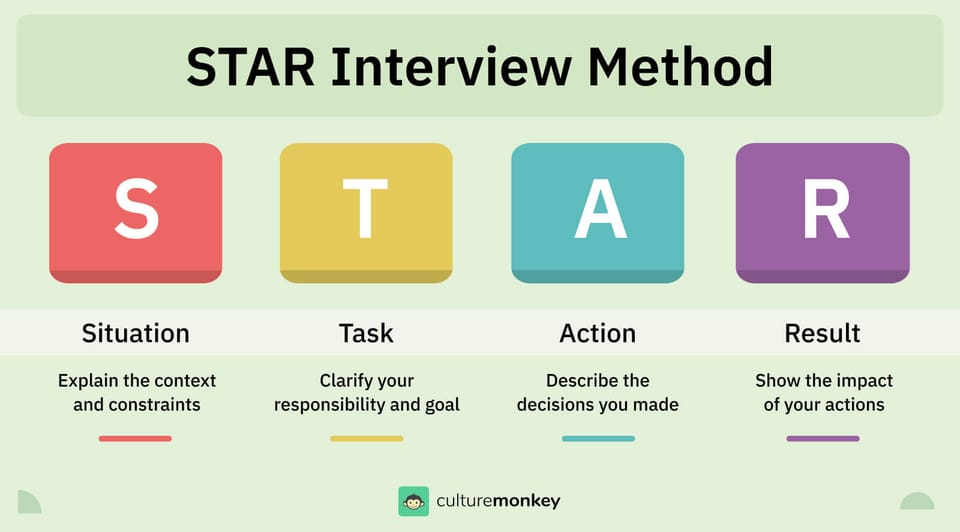
STAR method interview questions are structured prompts that ask candidates to explain a situation, action, and result to assess real past behavior clearly.