
Semi structured interviews: A practical guide
 Roonan Lingam
23 min read
Roonan Lingam
23 min read

Hiring decisions rarely fail because of effort. They often fall short because the interview format either feels too scripted or too loose to compare candidates meaningfully. Employers need structure, but not at the cost of real insight.
A semi-structured interview offers that balance. It uses a defined set of core questions to keep evaluations consistent, while allowing interviewers to ask follow-ups based on how candidates respond in the moment.
For management teams, this approach supports fairer comparisons without flattening conversations. It creates room to explore thinking, judgment, and communication, while still keeping hiring decisions grounded in shared criteria rather than instinct alone.
- A semi structured interview balances consistency and flexibility, using shared core questions with room for follow-ups.
- It helps uncover reasoning, context, and judgment while keeping interviews comparable across candidates or participants.
- Clear guides, neutral probes, and ethical clarity are critical to avoid drift, bias, and uneven depth.
- Effective analysis focuses on themes, patterns, and evidence rather than isolated quotes or impressions.
- When designed and run well, this approach improves decision quality without turning interviews into rigid scripts.
What is a semi structured interview?

A semi structured interview is like a manager check-in with guardrails: you have a plan, but you follow what matters in the moment. It gives hiring teams a clear path without turning people into scripts. That setup makes it easier to move from prepared prompts into focused follow-ups that uncover real signal.
In semi-structured interviews, you use an interview guide with semi structured interview questions, then probe with follow-up interview questions when needed. Compared with structured interviews, the semi structured interview method keeps evaluation consistent while letting you explore context.
In qualitative research, it supports qualitative research interviews in a research project where nuance matters. In qualitative analysis, you code themes and focus on analyzing semi structured interviews, drawing transcript patterns from semi structured interviews across qualitative research projects.
History and development of semi structured interviews
Semi structured interviews are like a manager’s playbook in a messy week: you keep core moves, but adapt to what shows up. The result is steadier decisions with fewer blind spots. This flexibility grew because teams needed clearer comparisons than unstructured interviews, yet more depth than rigid scripts could capture.
- Roots in interview research: Early qualitative interviews leaned on open talk, but data analysis was hard to compare. A research method kept an interview guide and a clear research question, while still letting participant responses steer which themes to probe.
- Shift from lab-like scripts: Unlike structured interviews, researchers wanted to hear how people explained decisions, not just pick options. Semi structured interviews typically pair semi structured interview questions with follow-up questions, so the same themes surface across different contexts.
- Standardization meets nuance: As qualitative methods matured, the semi structured interview technique became a middle path between checklists and free talk. It improved consistency without flattening detail, which helped teams defend findings when stakeholders challenged conclusions.
- Better capture of speech: With audio or video recordings, researchers could revisit tone, pauses, and wording, not just notes. That made it easier to code patterns, test a research question against evidence, and cut memory bias in interview research reviews.
- From academia to hiring: A semi structured interview example is using the same core prompts for every candidate, then probing trade-offs. The semi structured interview format supports fairness, while still letting interviewers explore reasoning when answers feel rehearsed.
That history explains why the approach works, but execution is where teams win or lose. Next, we break down the semi structured interview format step by step, from setting anchors to choosing follow-up questions and capturing notes.
The semi structured interview format, explained step by step

A semi structured interview format is like a manager’s weekly operating rhythm: you start with a checklist, then adjust based on what you hear and see. Done well, it turns messy conversations into usable evidence. Use it to stay consistent, while still letting the right follow-ups surface real decision patterns.
- Step 1: Set the purpose: In the research process, define what a semi structured interview is, then write the research question. Decide when to use a semi structured interview instead of survey research or ethnographic interviews, based on the depth you need.
- Step 2: Build the semi-structured interview guide: Draft core prompts and optional probes. Remove leading questions. Leave room for follow-up prompts so participants can talk openly, while you still cover the same topics each time reliably overall.
- Step 3: Protect ethics early: Before conducting interviews, explain how research data will be used and stored. Obtain informed consent in writing, and repeat it verbally. If you plan audio or video, state it clearly and offer opt-outs.
- Step 4: Run the conversation with control: Ask the core questions, then use follow-up questions to test specifics. Watch body language for confusion or hesitation, but don’t overread it. In multiple interviews, keep the same opener, timing, and close.
- Step 5: Capture clean qualitative data: Take structured notes alongside key quotes, or record with consent. Label files so interview data stays traceable. After each session, write a short recap of what surprised you, what matched, and what needs checking.
- Step 6: Turn talk into evidence: Start data analysis by coding themes, then compare across interviews for repeats and outliers. Keep research data linked to each code, so decisions are auditable. Summarize findings as answers to the original research question.
Once you can run these steps without losing consistency, the next question is what makes the approach distinct. Up next, we break down the key characteristics of a semi structured interview, so teams know what to keep constant.
Structured vs semi structured vs unstructured interviews

Before choosing an interview approach, teams usually face the same trade-off: speed versus depth. Each format shapes how conversations flow, what participants share, and how easy it is to compare results after. This side-by-side view clarifies where structured, semi structured, and unstructured interviews differ in practice, not theory.
With this comparison in mind, it becomes clear why many teams choose the middle ground. Next, we look at the benefits and common uses of semi structured interviews, and where this format consistently outperforms rigid scripts or free-form conversations.
Benefits and common uses of semi structured interviews
A semi structured interview is like a guided walkthrough during onboarding: you know the route, but pause where questions matter. The payoff shows quickly. Teams get richer signals without losing comparability, which makes this approach useful when depth, context, and consistency must coexist in real decision-making across roles and timelines.
1. In-depth understanding
Semi structured interview questions with examples support active listening and everyday conversation, which helps teams move beyond surface answers. This approach enables in-depth interviews, stronger data collection, and detailed notes, making thematic analysis easier while preserving context that structured surveys often miss during early-stage exploration.
2. Flexibility
Knowing how to conduct a semi structured interview allows interviewers to adjust pacing and probes in real time. This flexibility supports practical guidance, captures more detail, and keeps interviews useful when timelines, access, or research budget limits make rigid scripts or repeated sessions impractical.
(Source: Scribbr)
3. Balance
The format balances consistency with exploration, which improves comparison without flattening responses. Teams collect interview data that stays aligned to the research focus, yet open enough to surface unexpected patterns, such as prenatal care providers' perspectives, that can shape future research priorities and refinement cycles.
4. Cultural fit
Because discussions feel closer to everyday conversation, participants tend to share judgment, values, and reasoning more openly. This helps assess cultural fit while maintaining structure, allowing hiring teams to review detailed notes calmly and compare insights across interviews without relying on vague impressions.
These strengths explain why teams adopt the method, but benefits do not erase trade-offs. To choose wisely, it helps to understand where semi structured interviews can strain time, skill, or consistency when used without guardrails.

Access interview-ready semi structured questions instantly
Disadvantages of semi structured interviews
It's like running a flexible meeting agenda under time pressure: freedom helps, but gaps show fast. Semi structured interviews promise balance, yet trade-offs appear when scale, rigor, or ethics tighten.
Understanding the disadvantages of semi-structured interviews helps teams decide when the method supports outcomes, and when structure or openness would serve the research topic better.
- Skill dependency: The semi structured interview guide demands the interviewer's judgment. In semi structured interviews for hiring or qualitative work, weak probing skews data, especially with key informants, making the advantages of semi structured interviews uneven across teams over time.
- Consistency risk: Unlike overly formal scripts, flexibility can drift. In semi structured interview in qualitative research, different follow-ups change emphasis, complicating comparison, citation standards seen in Sage Publications, and alignment to a single research topic consistently.
- Operational overhead: Audio recording or video recordings improve recall but raise ethical considerations. Storage, consent, and review add effort, and AI-generated summary tools may miss nuance, increasing review time rather than reducing it for research teams overall.
- Scaling limits: Semi structured interviews do not scale cleanly. As volume grows, training interviewers, reviewing transcripts, and reconciling findings slow decisions, which can weaken reliability compared to simpler methods, once teams move past exploration in larger organizations globally.
These drawbacks do not cancel the method, but they shape how it should be used. Next, we address challenges and how to address semi structured interviews, with practical fixes that protect flexibility while restoring consistency, ethics, and speed.
Challenges and how to address semi structured interviews

A semi structured interview is like a manager review with room for debate: you need consistency, but you cannot kill two-way communication. In a qualitative study, small shifts in prepared questions change what people share. That is why teams must manage types of interviews, not just run an interview.
- Keep structure without stiffness: Lock 6 to 8 prepared questions, then allow spontaneous questions only after each core topic. This prevents drift across types of interviews and keeps the qualitative approach comparable, even when multiple questions emerge during the same interview.
- Replace vague prompts fast: Swap abstract questions for open-ended questions tied to real choices. This makes it easier for participants to share personal experiences, and it reduces rambling. In social science work, clearer prompts also speed review and coding later.
- Read what is not said: Train interviewers to track verbal cues, pauses, and changes in tone, then confirm meaning before probing. This maintains two-way communication and reduces misreads. It also improves consistency when different interviewers run the same guide.
- Make capture reliable: Standardize recording equipment, test audio before every session, and label files immediately. When recording is not possible, use a structured note template with time stamps. Clean capture protects detail and prevents backfilling from memory.
Once these fixes are in place, you can shift from problem-solving to design choices that improve quality. Next, we’ll cover designing semi-structured interviews, including how to craft prepared questions, plan follow-ups, and keep the flow natural.
Designing semi structured interviews

Designing semi structured interviews is like setting rules for a high-stakes discussion without scripting every line. You decide what must be covered, but allow space for real dialogue.
This balance helps participants talk openly, while semi structured interviewing captures verbal patterns and nonverbal cues consistently across interviews.
1. Crafting questions
Start with questions that invite explanation, not defense. Use simple language and one idea per prompt so participants can answer clearly and fully today consistently.
Keep a few prepared probes for depth, then adapt phrasing based on replies. Review responses after pilot runs to remove confusing or leading prompts fast.
2. Ethical considerations
Set expectations before the interview begins. Explain what will be recorded, how it will be used, and how privacy will be protected across the process.
Confirm consent in plain language and allow opt-outs without pressure. Ethical clarity helps participants share openly and reduces guarded, incomplete answers over time.
3. Defining the interview objectives
Define what you must learn, not what you want to hear. Clear objectives keep interviews focused and reduce wandering follow-ups that waste time.
Write two to three outcomes in everyday language. Share them with interviewers so probing stays aligned and results remain comparable across sessions.
4. Building a flexible interview guide
Create a guide that lists topics and core questions, not a script. This keeps the structure while allowing natural conversation and follow-up.
Include optional probes for common themes, plus space for notes. A flexible guide supports consistency without forcing identical wording across interviews.
5. Choosing open-ended prompts
Use open-ended prompts that start with how, why, or what happened. These invite context and reveal reasoning, not just conclusions.
Avoid prompts that suggest the answer. Strong open questions help participants explain trade-offs and surface details you would not get from checkboxes.
6. Planning follow-up questions
Plan follow-ups like a ladder, from light to deep. Start with clarification, then ask for examples, then ask about trade-offs.
Write probes that stay neutral and short. Good follow-ups pull detail without steering, and they keep the conversation tied to your goals.
7. Balancing consistency and depth
Fix the same core questions for every participant. This creates a stable base for comparison and reduces interviewer drift.
Allow depth through planned probes, not random tangents. This balance keeps interviews fair while still capturing nuance, context, and decision patterns.
8. Piloting the interview format
Pilot interviews reveal gaps that planning hides. A question that seems clear on paper can confuse people in real talk.
Run three to five pilots, then revise quickly. Track where participants hesitate or ramble, and tighten prompts before full rollout.
9. Preparing interviewers for bias control
Bias often shows up in tone, timing, and reactions. Interviewers may reward answers they agree with or rush answers they dislike.
Train interviewers to pause, paraphrase, and probe neutrally. This protects accuracy and improves consistency across interviewers and across participant groups.
10. Deciding on note-taking or recordings
Choose capture methods before scheduling interviews. Notes are fast, but they can miss phrasing, emotion, and key details.
Recordings preserve exact wording, but add consent and storage tasks. Use a shared template, so notes and transcripts are easy to review later.
11. Aligning questions to the research question
Tie every question to the research question. If a prompt does not help answer it, remove it to protect focus.
Map prompts to themes you plan to analyze. This alignment speeds coding and reduces debates about what the interview was meant to uncover.
12. Structuring time and flow
Plan the flow in blocks: warm-up, core themes, and close. A clear sequence helps participants settle and share more naturally.
Time-box each block, but stay flexible when depth matters. Good pacing prevents rushed endings and improves response quality across interviews.
13. Ensuring comparability across interviews
Comparability comes from consistency in topics, order, and scoring notes. Without it, you collect stories that cannot be fairly compared.
Use the same opener, core prompts, and close every time. Then standardize how you summarize answers so patterns emerge across interviews.
14. Managing interviewer fatigue
Long interview blocks reduce listening quality and increase shortcut judgments. Fatigue shows up as rushed follow-ups, missed cues, or uneven depth across later interviews in the same day.
Limit interviews per interviewer and schedule breaks intentionally. Rotate interview responsibilities across the panel so attention stays sharp and comparisons remain fair from first conversation to last.
15. Handling sensitive or unexpected topics
Semi structured interviews sometimes surface topics you did not plan for. Without preparation, interviewers may shut down discussion or overstep boundaries unintentionally.
Prepare neutral holding responses and escalation rules in advance. This helps interviewers acknowledge sensitive points respectfully, stay within scope, and protect both participants and data quality.
16. Documenting decisions after debriefs
Strong interviews lose value when decisions are not clearly documented. Verbal agreement fades, and later reviews lack a reliable trail.
Summarize decisions immediately with evidence, trade-offs, and open questions noted. Consistent documentation ensures interview outcomes remain clear, defensible, and reusable for future hiring or research cycles.
With design choices in place, insight still depends on interpretation. The next section on how to analyze a semi-structured interview explains how teams move from raw conversations to patterns they can trust and act on confidently.
How to analyze a semi-structured interview

Analyzing a semi-structured interview is like a hiring panel debrief after back-to-back rounds: notes feel noisy until you sort what mattered. The result you want is a clean view of patterns, not one loud quote. Good analysis turns scattered responses into evidence you can compare and act on.
- Step 1: Clean the raw input: Consolidate notes and transcripts while the interview is fresh. Fix missing context, tag the speaker, and capture the exact wording for key moments. This prevents later guesswork and keeps your analysis tied to what was actually said.
- Step 2: Build a simple coding frame: Start with 6 to 10 themes aligned to your interview guide, then add new themes only when they repeat. Keep labels plain. A small, stable frame makes comparisons easier across candidates or participants.
- Step 3: Code for meaning, not keywords: Mark segments based on what the person meant, not the exact phrasing. Save short quotes as evidence. This keeps your interpretation grounded and reduces the temptation to “read into” ambiguous statements.
- Step 4: Compare across responses: Look for repeats, outliers, and contradictions. Track how often a theme appears and where it shows up. Contrast strong examples with weak ones. This is where patterns become clearer than individual stories.
- Step 5: Check for bias and drift: Review whether certain interviewers probed harder, reacted differently, or led responses. Note uneven depth and adjust scoring rules. This step protects fairness and helps you trust your conclusions.
- Step 6: Turn themes into decisions: Summarize findings as short claims backed by quotes and counts. Keep each claim tied to a role requirement or research goal. This makes your results defendable in reviews, not just “interesting.”
Once you can reliably turn conversations into themes and themes into decisions, tooling becomes the accelerator. Next, we’ll cover how Hummer AI identifies patterns and bias in semi structured interview feedback, without losing the nuance behind each response.
How Hummer AI identifies patterns and bias in semi structured interview feedback
Hummer AI is like a hiring debrief that keeps receipts: it does not replace judgment, it organizes it. When feedback gets messy, pattern-finding becomes guesswork and bias slips in quietly. This section shows the practical checks you can run in Hummer AI to keep decisions consistent.
- Normalize feedback into themes: Import notes or transcripts, then standardize labels so similar points land together. This makes repeated signals visible across interviewers, and prevents one-off opinions from looking like trends when you review semi structured interview feedback.
- Compare interviewer coverage and depth: Check whether each interviewer hit the same core topics and used comparable follow-ups. Uneven probing can create “gaps” that look like candidate weakness. Hummer AI helps you spot missing areas before decisions harden.
- Flag loaded language and vague claims: Scan feedback for words that signal judgment without evidence, like “not a fit” or “great energy.” Then require a supporting example. This simple step reduces bias and forces feedback to stay tied to observed behavior.
- Surface contradictions and outliers early: Look for conflicting assessments on the same competency, then trace them back to the specific moments that drove each view. This keeps debriefs grounded in evidence and prevents the loudest opinion from overriding the full record.
- Create an audit trail for fairness: Keep a consistent summary structure: theme, evidence, impact, and confidence level. When hiring decisions are challenged, you can show how the group arrived there. That transparency is one of the strongest bias controls available.
Conclusion
A semi structured interview gives organizations a workable balance between consistency and depth. It keeps interviews aligned around shared criteria, while still allowing space to explore reasoning, judgment, and communication. In the workplace, this matters because hiring decisions shape teams long after onboarding. A structured yet flexible approach reduces reliance on instinct and makes outcomes easier to justify.
As hiring scales, the challenge shifts from running interviews to interpreting them fairly. Notes pile up, feedback varies by interviewer, and subtle bias can creep in unnoticed. That is where Hummer AI fits naturally into the process. It helps teams organize semi structured interview feedback, surface patterns, and spot gaps or inconsistencies before decisions are locked in.
Together, a well-designed semi structured interview and Hummer AI create a repeatable system for better hiring. Conversations stay human, analysis stays grounded, and organizations make decisions they can explain, defend, and improve over time.
FAQs
1. What is a semi structured interview in simple terms?
A semi structured interview uses a short set of planned questions and a few planned probes. Everyone gets the same core questions, but interviewers can ask follow-ups to clarify or go deeper. It feels more natural than a script, yet stays comparable across candidates because the themes, scoring criteria, and evidence notes remain consistent for teams.
2. When should you use a semi structured interview instead of a structured one?
Use a semi structured interview instead of a structured one when the role depends on judgment, trade-offs, or stakeholder communication. Structured interviews fit roles with clear right answers and tight compliance checks. Semi structured interviews let you test reasoning with follow-up questions while keeping the same core topics for every candidate, so comparisons stay fair and defensible.
3. How many questions should a semi structured interview have?
Most teams run six to ten core questions in a semi structured interview, plus a small bank of follow-ups. That size keeps timing predictable and leaves room to probe important answers. If you exceed ten core questions, depth drops. If you use fewer than five comparisons across candidates become fragile. Aim for 45 to 60 minutes.
4. Are semi structured interviews fair for candidates?
Semi structured interviews can be fair when the core questions, competencies, and scoring anchors are identical for every candidate. Fairness slips when follow-ups chase different themes or when interviewers reward style over substance. Use the same prompts, document evidence in notes, and debrief with a shared rubric to keep decisions consistent across panels, locations, and hiring cycles.
5. What are common mistakes interviewers make in semi structured interviews?
Common mistakes include drifting off the interview guide, asking leading questions, and probing unevenly across candidates. Interviewers also over-index on confidence, small talk, or first impressions. Another issue is failing to capture quotes and examples, which makes debriefs opinion-driven. Fix this with calibration, neutral probes, and evidence-based notes before interviews begin, and review patterns weekly.
6. How do recruiters score or evaluate semi structured interview answers?
Recruiters score semi structured interview answers by mapping what was said to predefined competencies and behavioral indicators. Each competency has anchors for strong, mixed, or weak evidence. Interviewers record brief quotes, then assign a rating and confidence note. In debrief, the panel compares evidence, not impressions, and resolves gaps using the same rubric across every round.
7. Can semi structured interviews introduce bias?
Yes, semi structured interviews can introduce bias when follow-ups vary widely, when language like “not a fit” replaces evidence, or when interviewers react differently to accents, background, or body language. Reduce bias with standardized core questions, neutral probes, and written examples. Review scoring distributions by interviewer to spot patterns early and run short calibration sessions each month.
8. Is a semi structured interview suitable for large hiring teams?
It can be, but only with tight alignment. Large teams need a shared interview guide, defined competencies, and consistent note templates. Otherwise, different interviewers create different interviews. Use training, sample recordings, and calibration debriefs to keep scoring stable. A central tool for summarizing feedback helps panels compare candidates quickly and fairly, even when hiring volume spikes.
More from HummerAI Blog

Recruitment dashboard guide: what to track and why it matters
A recruitment dashboard is a centralized view of hiring activity that shows role status, candidate progress, bottlenecks, and key metrics, helping teams track what’s moving, what’s stalled, and where decisions are needed across the hiring process.
STAR method interview questions: How to answer them with real examples
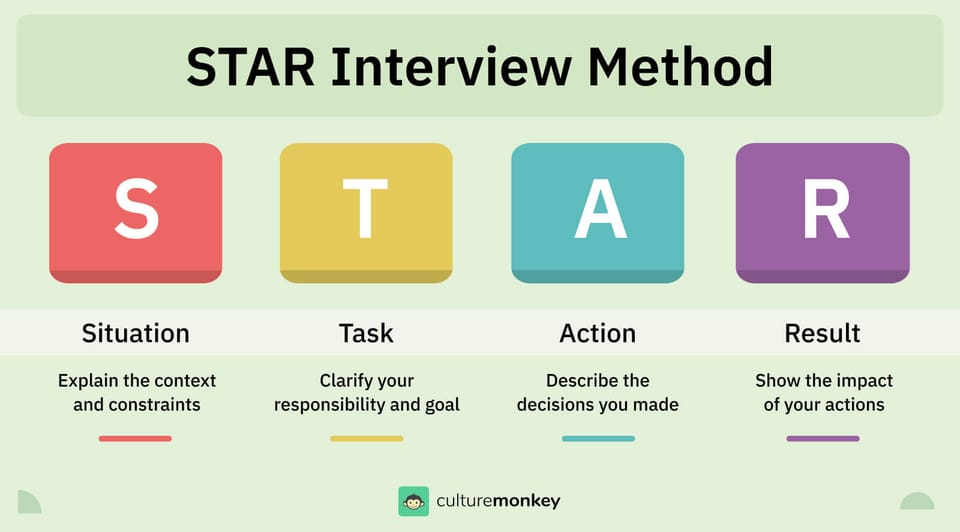
STAR method interview questions are structured prompts that ask candidates to explain a situation, action, and result to assess real past behavior clearly.