
Interview Styles in 2026: How AI, structure, and psychology are reshaping hiring
 Roonan Lingam
24 min read
Roonan Lingam
24 min read

Think back to school when teachers tested you in different ways, quick-fire spelling bees, timed quizzes, or long essays that revealed how you thought. Each style measured something unique and shaped how you performed. Hiring works the same way today. Interview styles are modern assessments that uncover creativity, problem-solving, and composure under pressure.
The key is knowing which style fits each role and situation. In this guide, we’ll break down everything you need to know about interview styles in 2026, helping you choose smarter approaches, avoid outdated methods, and create a fair, effective process that reveals every candidate’s true potential.
- Interview styles shape hiring outcomes by revealing different candidate strengths.
- Structured formats improve fairness, while unstructured adds deeper personal insight.
- Behavioral and situational interviews predict performance using past behavior patterns.
- Modern interview styles use AI, data, and online resources effectively.
- Hummer AI improves the interview process with data-driven insights and consistency.
What is an interview format?

Choosing an interview format is like deciding how to host a dinner. A casual potluck sparks open conversation, while a formal plated meal follows rules and structure. The style you choose shapes not only the flow but also the outcomes you get. An interview format defines the structure, flow, and interaction between interviewer and candidate.
It answers simple but critical questions: Will it be one-on-one or panel-based? Will you follow a strict interview form or allow for open-ended dialogue? Each decision directly impacts what insights you uncover and how consistently you evaluate applicants.
Using a structured interview form can standardize questions, ensuring fairness and consistency across candidates. By contrast, a flexible style might surface unique qualities but makes it harder to compare responses objectively. The balance depends on your hiring goals and the role at hand.
An interview format acts as your blueprint. When thoughtfully selected, it reduces bias, creates repeatable processes, and makes evaluations clearer. Done poorly, it can obscure a candidate’s strengths or lead to inconsistent judgments, costing both time and talent.
Why understanding interview styles can improve your hiring success

Understanding interview styles is like switching lenses on a camera at work: a wide angle for potential, a zoom for specifics. The lens you pick shapes what you notice, how you compare candidates, and which risks you avoid.
With the right lens, your shortlist gets sharper and fast. It sets up fair, focused evaluations.
- Reduce guesswork: Structured styles turn fuzzy impressions into comparable signals. You evaluate the same competencies across candidates, improving signal-to-noise and aligning hiring managers faster. This lowers variance in scores and preserves fairness without killing conversational flow across interviews.
- Match method to role: Different styles surface different strengths. For creative roles, scenario or portfolio interviews reveal problem framing. For compliance-heavy work, structured questions and an interview form validate accuracy, judgment, and process discipline with repeatable scoring criteria.
- De-risk hires: Picking styles consciously reduces bias and re-interview loops. You collect evidence on capability, not charisma, reducing false positives and false negatives. That protects budgets and team trust by preventing poor fits from slipping through during busy cycles.
- Speed decisions without sacrificing quality: When interviewers share a clear format, notes and scores roll up cleanly. You spot go/no-go signals faster, cut scheduling churn, and keep stakeholders aligned while preserving rigor across panels and across time zones.
- Improve candidate experience and brand signal: Clarity about style sets expectations and reduces anxiety. Candidates prepare meaningfully, interviews feel fair, and word-of-mouth improves, which strengthens your employer reputation in tight markets. That increases acceptance rates and referral volume.
- Level up leadership evaluation: The right style sharpens how you assess influence, judgment, and values. Use targeted interview questions for leadership style to test trade-offs, conflict handling, and decision patterns, not rehearsed stories; then compare responses consistently using anchored rubrics.
Top 20+ interview styles every hiring manager should know
Think back to childhood board game nights. Chess demanded strategy, Pictionary required speed, and charades thrived on teamwork. Each game revealed different strengths. Interviews are no different.
The style you choose shapes what you uncover, and knowing 20+ options gives hiring managers a complete playbook for smarter, sharper decisions every time.
1. Panel interview
A panel interview brings together multiple interviewers to assess a candidate at once, often from different teams or functions. This style reduces bias, allows broader perspectives, and saves time compared to running separate sessions.
Candidates face varied interview questions, giving hiring managers a fuller view of skills, communication, and leadership potential in a single sitting.
2. Behavioral interview
A behavioral interview focuses on past experiences to predict future performance. Candidates are asked about real situations, actions they took, and outcomes achieved.
This style uses structured interview questions to uncover problem-solving, teamwork, and leadership patterns. By exploring proven behaviors, hiring managers gain reliable insights into how someone might handle similar challenges in their new role.
3. Group interview
A group interview evaluates several candidates at the same time, often by placing them in shared discussions, activities, or problem-solving tasks. This format highlights communication, collaboration, and competitive dynamics in real time.
Hiring managers observe how individuals interact, contribute, and influence others. It’s especially useful when assessing teamwork skills and cultural fit under pressure.
4. Phone interview
A phone interview is often the first screening step, allowing hiring managers to quickly assess qualifications, interest, and communication skills before moving forward. This format saves time and reduces costs compared to in-person meetings.
Candidates answer structured interview questions, giving employers a clear sense of fit while keeping the process efficient and accessible.
5. Case interview
A case interview presents candidates with a real or simulated business problem to solve during the session. It tests analytical thinking, creativity, and structured problem-solving under time constraints.
Hiring managers observe how candidates break down complex issues, communicate reasoning, and propose practical solutions. This style is widely used in consulting and strategy-driven roles.
6. Stress interview
A stress interview intentionally places candidates in challenging or uncomfortable situations to see how they respond under pressure. Interviewers may use rapid questions, interruptions, or confrontational tones.
The goal is not intimidation but testing resilience, composure, and problem-solving ability. This style helps employers evaluate how candidates handle high-stakes environments where calm focus is essential.
7. Competency questions
Competency questions focus on specific skills and behaviors required for the role. Candidates are asked to describe situations where they demonstrated qualities like leadership, teamwork, or decision-making.
This style uses a structured approach, often following the STAR method, to ensure answers are clear and measurable. Hiring managers gain consistent evidence for comparing candidates fairly.
8. Unstructured interview
An unstructured interview follows no fixed script, letting conversations flow naturally between interviewer and candidate. This flexible style can uncover unique qualities, motivations, and perspectives that rigid formats might miss.
While it offers deeper personal insights, comparisons across candidates are harder. Hiring managers often use this style to explore creativity, adaptability, and spontaneous problem-solving abilities.
9. Informal interview
An informal interview feels more like a casual conversation than a formal assessment. It often takes place over coffee, lunch, or in relaxed settings. This style helps candidates open up, revealing personality, values, and cultural alignment.
While less structured than traditional formats, it gives hiring managers authentic insights into character and interpersonal style.
10. Situational interview
A situational interview asks candidates how they would handle hypothetical workplace scenarios. Instead of recalling past actions, they describe future decisions and problem-solving approaches.
This style reveals judgment, adaptability, and critical thinking. Hiring managers use it to predict how someone might respond to challenges, conflicts, or opportunities that directly align with the role.
11. Traditional one-on-one job interview
The traditional one-on-one job interview pairs a single interviewer with a candidate in a direct conversation. This format allows for focused questions, personalized follow-ups, and deeper rapport.
It remains the most common interview style because it balances efficiency with personal connection, giving hiring managers a clear view of skills, communication, and overall fit.
12. Video interview
A video interview uses digital platforms to connect candidates and interviewers remotely. It offers flexibility, saves travel time, and expands access to talent worldwide.
This style can be live or pre-recorded, allowing hiring managers to assess communication, presence, and technical comfort. It’s now a standard approach, especially for hybrid and global hiring processes.
13. Informational interview
An informational interview is a conversation focused on learning rather than evaluation. Candidates seek insights about a role, industry, or company, while employers informally gauge interest and potential fit.
This style builds relationships, expands networks, and clarifies career paths. Hiring managers often use it to spot emerging talent before formal recruitment begins.
14. Job fair interview
A job fair interview happens at recruiting events where employers meet many candidates in a short time. Conversations are brief, focused on first impressions, key skills, and career interests.
This style helps hiring managers quickly identify promising talent, promote opportunities, and build pipelines. It’s efficient for high-volume hiring and early-stage candidate screening.
15. Structured interview
A structured interview follows a consistent set of predefined questions asked to every candidate. This format ensures fairness, reduces bias, and allows reliable comparisons across applicants.
Hiring managers benefit from clearer evaluation metrics, making decisions more evidence-based. It’s widely used in formal hiring processes where accuracy, objectivity, and accountability are especially important.
16. Video interviews
Video interviews connect employers and candidates virtually through platforms like Zoom, Teams, or Skype. They save travel time, cut costs, and widen access to global talent.
This style can be live or recorded, helping hiring managers evaluate communication skills, confidence, and professionalism while ensuring flexibility in hybrid or remote recruiting environments.
17. Hiring decision interview
A hiring decision interview is the final stage where shortlisted candidates meet senior leaders or decision-makers. The focus is on cultural fit, long-term potential, and closing details before an offer.
This style confirms earlier impressions, addresses final concerns, and ensures alignment. Hiring managers use it to validate choices and build candidate confidence.
18. Mock interview
A mock interview is a practice session that simulates real interview conditions. Candidates rehearse answering common and role-specific questions, often receiving feedback on performance, clarity, and confidence.
This style helps reduce anxiety, sharpen management communication, and highlight improvement areas. Hiring managers or coaches use it to prepare individuals for actual interview success.
19. Technical interview
A technical interview assesses a candidate’s specialized knowledge and problem-solving skills related to the role. It often includes coding tasks, case studies, or technical questions.
This style helps hiring managers evaluate practical expertise, accuracy, and how candidates approach challenges. It’s especially common in engineering, IT, and data-driven positions where technical precision is critical.
20. Distance interview
A distance interview connects employers and candidates across locations using phone, video, or online platforms. It removes geographical limits, making it easier to access diverse talent pools.
This style is flexible and cost-effective, helping hiring managers assess communication, adaptability, and skills while accommodating remote work trends and international recruitment needs.
21. Lunch interview
A lunch interview takes place in a casual dining setting, blending conversation with observation. This style helps hiring managers assess social skills, professionalism, and cultural alignment outside formal office walls.
While less structured, it reveals etiquette, communication style, and authenticity. It’s often used for client-facing roles where presence and relationship-building matter.
22. Group interview
A group interview brings several candidates together for shared tasks, discussions, or problem-solving activities. This style allows hiring managers to observe teamwork, leadership, and communication in real time.
It highlights how individuals collaborate, compete, and contribute under pressure, offering valuable insights into cultural fit and interpersonal strengths that one-on-one settings may overlook.
23. Offsite interview
An offsite interview takes place outside the company’s usual office, often in neutral locations like hotels, cafes, or conference spaces. This style creates a relaxed environment, helping candidates feel more comfortable.
Hiring managers use it to evaluate communication, adaptability, and authenticity while reducing the pressure that traditional office settings sometimes create.
Structured vs. unstructured interview styles: What’s the difference?

Choosing between structured and unstructured interview styles is like deciding between a recipe and free cooking. A recipe ensures consistency, while free cooking allows creativity but risks uneven results. The same applies in hiring: structure brings fairness, while flexibility uncovers depth. Let’s break down the contrasts so hiring managers can follow interview process best practices.
Behavioral and situational interview styles and how they predict performance
Choosing between behavioral and situational interviews is like reviewing last quarter’s incidents versus running a fire drill at work. One reveals proven reactions; the other tests future judgment. Used together, they surface patterns and potential. Below, practical ways these styles predict performance while aligning with interview process best practices effectively today.
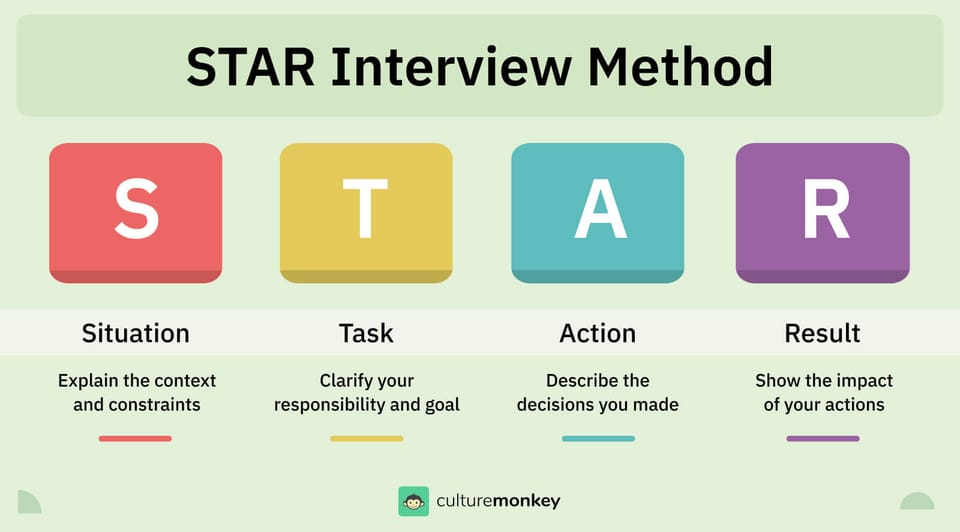
- Pattern proof: Behavioral interview style uses real examples to show repeatable habits. Asking for Situation, Task, Action, Result reveals reliability and judgment. Patterns across roles, teams, and pressure points indicate how consistently someone delivers when stakes rise under tight deadlines.
- Forward simulation: Situational questions simulate near-future challenges to test judgment, priorities, and trade-offs. Candidates narrate their plan, risks, and contingencies. You see reasoning speed and values in motion, helping predict on-the-job performance before access to tools, peers, or context arrives.
- Dual signal, lower risk: Blend both styles across rounds or within a panel interview style. Behavioral proves past consistency; situational tests judgment under novelty. Together, signals triangulate. This alignment with interview process best practices reduces false positives, shortens re-interviews, and supports fair, comparable scoring.
- Leadership insight: Use interview questions for leadership style inside both formats. In behavioral, probe conflict mediation, delegation, and decision trade-offs. In situational, test crisis calls, prioritization, and stakeholder alignment. You model constraints, revealing influence patterns and values under pressure, avoiding rehearsed stories.
- Calibration and scoring: Build anchored rubrics mapped to competencies. For behavioral interview style, score evidence quality and outcome magnitude. For situational, score decision clarity, risk awareness, and trade-off logic. Calibrated scoring boosts inter-rater agreement, speeds debriefs, and makes hiring choices defensible across cycles.
Panel and group interview styles and when they work best
Choosing between panel and group interviews is like picking a workshop or a town hall at work during crunch time. One compresses expert feedback; the other reveals team dynamics and natural influence.
Use both as modern interview styles to expose different signals before you compare interview techniques vs style in practice.
- When panel works best: Use a panel interview style for complex roles, senior hires, and cross-functional decisions. Multiple perspectives surface risks fast. Shared rubrics and time-boxed questions create consistent ratings, enable fair comparisons, and reduce rescheduling across busy stakeholders.
- When group works best: Choose a group interview to watch collaboration, influence, and communication in real time. Team tasks expose initiative and listening. It’s ideal for customer-facing, operations, and product roles where coordination, persuasion, and quick trade-offs decide outcomes.
- Interview format example: Panel: three interviewers, 35 minutes, structured behavioral plus short case. Group: five candidates, 20-minute task, five-minute debrief per person. Score using anchored rubrics, then compare notes within ten minutes to lock go/no-go signals while momentum remains.
- Make it conversational interview: Blend structure with warmth. Start with rapport, then ask focused prompts. Mirror key phrases, pause for depth, and clarify next steps. This keeps candidates at ease while preserving fairness, helpful for first-generation or international applicants.
- Techniques vs style in practice: Techniques are the how; style is the vibe. For panels, use structured questions and anchored scoring. For groups, design a clear task and roles. Choosing deliberately prevents noise, speeds decisions, and yields reliable, repeatable signals.
Case study and technical interview styles for skill-based roles
Picking case study and technical interviews is like choosing a field test over a classroom quiz at work. You watch how people build, not just what they claim, and the format sets problems, tools, and constraints.
Then score what matters. That turns skill-based roles into clear, comparable signals you can trust.
- Case reveals reasoning: Case prompts test problem framing, data sense, and trade-offs under constraints. Use time-boxed whiteboards or slides to observe structure, not speed. Score clarity, assumptions, and decisions, then compare across candidates using consistent, anchored rubrics fairly.
- Technical validates execution: Hands-on tasks verify accuracy, code quality, and debugging habits. Prefer realistic environments over puzzles. Calibrate difficulty to role level, provide APIs or datasets, and score completeness, correctness, and maintainability against shared standards to enable fair comparisons.
- Leadership under load: Add interview questions for leadership style to both formats. In cases, probe trade-offs and stakeholder alignment; in technical tasks, assess code reviews, mentoring choices, and escalation judgment. You’ll see influence, ethics, and communication while work stays tangible.
- Design for comparability: Standardize prompts, time limits, and scoring; share examples of great, good, and poor answers. Debrief immediately to reduce memory drift. This makes signals portable across interviewers, rounds, and sites, improving fairness without losing nuance or human judgment.
- Choose the right type: Map tasks to competencies before selecting types of interviews. Use cases for synthesis and stakeholder trade-offs; use technical for accuracy and depth. Document intent in the interview form to align expectations and speed scoring across panels.
Phone and video interview styles for remote and hybrid teams

Choosing phone versus video for interviews is like picking chat or face-to-face in a crunch meeting at work. Chat moves fast with fewer distractions; face-to-face shows nuance, presence, and rapport.
Use each intentionally, then design the interview setting so signals are clear, comparable, and fair. For remote and hybrid teams, basics done well beat gadgets.
- Use phone for first-pass signal: Fast scheduling, low friction, and fewer tech issues help you screen for basics, role interest, clarity, and salary range. Keep a shared outline, time-box to fifteen minutes, and capture comparable notes for fair, repeatable decisions.
- Make video intentional: Use cameras when presence matters, collaboration, client contact, or leadership signals. Send agenda, tech-check links, and role context beforehand. Record with consent, tag competencies, and score immediately; observations stay consistent across panelists, regions, and time zones.
- Design the interview setting: Neutral backgrounds, lighting, and stable audio reduce noise. Share documents in advance, then use structured prompts with brief follow-ups. Confirm timezone, bandwidth, and accessibility needs. Logistics prevent biases and keep attention on content, not glitches.
- Run remote case interviews well: Share data, problem statements, and constraints early. Allow thinking time, then screen-share reasoning. Score structure, assumptions, and trade-offs with rubrics. Avoid brainteasers; prefer real tasks that mirror the job’s stack, pace, and decision patterns.
- Protect equity across formats: For phone, use a shared outline and timed prompts. For video, standardize questions and scoring. Offer alternatives for bandwidth limits. Publish expectations. Guardrails make signals comparable, reduce bias, and speed debriefs without slowing candidate experience.
Conversational and strength-based interview styles to improve candidate experience

Choosing conversational and strength-based interviews is like replacing a status meeting with a coaching 1:1 at work: less script, more signal. The setup shifts anxiety into insight, and small prompts uncover big stories.
Think gentle pace, clear structure, and purpose. Use these moves to make candidate experience feel fair, human, and still highly comparable.
- Lead with strengths: Start with a recent win, then link skills to role competencies. Candidates relax, recall specifics, and show authentic range. You collect better evidence, reduce impression bias, and keep momentum for deeper probes without losing structure or comparability.
- Make it conversational: Use short prompts, mirroring, and pauses. Ask, “Walk me through your choices,” then follow with one clarifier. This keeps flow warm yet focused, surfaces thinking patterns, and builds candor while preserving consistent scoring across interviewers and sessions.
- Anchor to rubrics: Map strengths to a shared competency rubric with clear anchors. Score evidence quality, impact, and repeatability. Using common notes and ratings keeps interviews fair, reduces drift between interviewers, and turns friendly conversations into reliable, comparable hiring signals.
- Include leadership moments: Ask targeted interview questions for leadership style: prioritization, trade-offs, conflict handling. Invite a brief story, then a hypothetical variant. You capture both proven behavior and projected judgment, improving prediction without shifting away from the conversational, strength-based core.
- Close with clarity: Summarize what you evaluated, how scoring works, and next steps. Offer a preparation tip for the next round. Transparency lowers anxiety, improves candidate experience, and reduces follow-up while protecting momentum for teams and candidates alike.
Modern trends shaping interview styles in 2026
Choosing interview styles in 2026 is like upgrading your team’s toolkit at work. New tools don’t replace fundamentals; they sharpen them without sacrificing candidate experience.
The trick is pairing classic rigor with modern signals, video, async tasks, AI notes, so judgments become faster, fairer, comparable across roles, locations, and hiring cycles today.
- AI copilots and transcripts: Interview platforms summarize calls, flag competencies, and surface follow-up prompts. Use human-in-the-loop review, consent notices, and bias checks. Calibrated notes speed debriefs, improve recall, and make signals comparable across interviewers, regions, and hiring cycles.
- Async interviews and work samples: Candidates record answers or complete practical tasks on their time. You reduce scheduling friction and see real work. Score with anchored rubrics and plagiarism checks to protect fairness without losing context, nuance, or accessibility.
- Skills-first simulations: Short, realistic scenarios replace puzzles. Provide data, APIs, or briefs; let candidates think aloud, then deliver. Score structure, accuracy, and trade-offs. Simulations raise predictive validity, reduce bias toward pedigree, and give candidates insight into the role’s everyday challenges.
- Structured fairness and accessibility: Standardize questions, time, and scoring; publish expectations. Offer accommodations, bandwidth-light options, and flexible scheduling. These guardrails reduce bias, improve candidate experience, and create comparable evidence across formats, phone, video, in-person, so decisions remain defensible and inclusive.
- Data-driven calibration: Track pass-through rates, inter-rater agreement, and question efficacy by stage. Refresh scripts quarterly. Close loops with hiring outcomes to adjust rubrics. The result: fewer re-interviews, faster offers, and a consistently stronger signal-to-noise ratio across the pipeline.
Common mistakes companies make when choosing interview styles

Choosing interview styles is like picking the right meeting format for a launch: stand-up, workshop, or review. The format changes who speaks, what surfaces, and how decisions land.
Use conscious choices, not defaults, so your interview format matches goals, evidence, and time. Otherwise you invite bias, re-interviews, and slow debriefs.
- Defaulting to one style: Treating every role the same blocks signal. Rotate behavioral interview style, case, and work sample based on competencies. Document intent in the interview form. Deliberate mixing beats habit and keeps your interview process best practices defensible.
- Over-relying on unstructured chats: The unstructured interview style feels friendly but drifts. Without anchors, bias grows and notes vary. Pair warmth with structured prompts, time boxes, and rubrics so comparisons hold in debriefs and across panel interview style participants.
- Skipping calibration and rubrics: Teams ask different questions and score loosely, producing noise. Align on competencies, sample answers, and anchors before interviews. Ten minutes of calibration saves hours later and makes your interview format consistent, fair, and defensible during audits.
- Ignoring job-to-method fit: Choosing style by habit misfires. Use panel interview style for cross-functional roles; work samples for makers; behavioral for leadership signals. Match style to competencies and stage to raise prediction and cut re-interviews.
- Poor note hygiene: Vague notes kill recall and fairness. Capture verbatim quotes, examples, and ratings during the interview, not hours later. Use a shared interview form so evidence is searchable, comparable, and useful for debriefs, audits, and future hiring cycles.
How to choose the right interview style for your company culture
Choosing an interview style is like choosing a workshop format for a project kickoff. A whiteboard sprint surfaces ideas; a demo walk-through tests execution; a retrospective exposes judgment.
Match the format to goals, risks, and timelines, then gather comparable evidence without killing natural conversation. Use structure for stakes, flexibility for exploration.
- Start with fit signals: Define competencies and values first, then pick the interview format that reveals them. Makers need work samples; strategists benefit from cases; operators suit structured prompts. Document intent so every interviewer collects comparable evidence fairly.
- Blend structure with warmth: Use a conversational interview to build rapport, then follow a shared rubric. Keep questions consistent, time-box follow-ups, and capture examples in a simple interview form. You’ll reduce bias while keeping space for authentic stories.
- Choose formats by stakes: Use panel interview style for cross-functional roles and high-impact calls. For collaboration signals, add a short group task. For specialist depth, include a case or work sample. Match format to risk, speed, and decision visibility.
- Balance past and future: Rely on behavioral interview style for proof of patterns, then add situational prompts to test judgment. Two signals beat one. You’ll see how someone delivered before and how they’d respond when context shifts quickly.
- Calibrate and iterate: Track pass-through rates, inter-rater agreement, and time-to-offer by interview format. Adjust scripts quarterly, retire weak questions, and publish examples. Small refinements compound, making choices feel consistent to candidates and easier for hiring managers to defend.
Choosing the right interview style sets the foundation for fairness and culture fit, but sustaining that consistency at scale requires the right tools.
That’s where intelligent platforms step in, turning structured hiring practices into measurable, data-driven insights for every interview.
How Hummer AI helps hiring teams improve interviews with data-driven insights
Using Hummer AI in interviews is like adding a flight recorder to every meeting at work. It quietly captures signals, then turns them into clear evidence you can replay, compare, and learn from.
With shared context, coaches and hiring managers align faster while keeping interviews human, consistent, and auditable across cycles.
- Auto-captured evidence: Time-stamped transcripts and highlights capture what was said, not what we remember. Hummer AI auto-tags competencies and actions, so a panel interview style produces consistent evidence you can replay, share, and compare between candidates without reinventing note-taking.
- Structured scoring: Anchored rubrics live inside an interview form, with scales and sample answers. Interview process best practices become automatic, making scoring faster and fairer while giving dashboards that spotlight question quality, pass-through rates, and outlier decisions to review.
- Guided follow-ups: Smart prompts guide follow-ups, like asking interview questions for leadership style after a conflict example. Hummer AI suggests clarifiers, probes for trade-offs, and notes missing evidence, so conversations stay warm while the structure quietly keeps comparisons fair.
- Comparative analytics: Reveal which interview format predicts performance by role. See links between questions, ratings, and outcomes, then retire weak scripts. You’ll spot interviewer drift, calibrate faster, and pick the types of interviews that raise signal without lengthening the process.
- Fairness and access: Built-in tools protect trust: consent, redaction, and role-based access. Accessibility checklists and interview setting guidance reduce bias from tech or environment. Results are auditable, repeatable, and shareable team-wide without sacrificing conversational interview warmth or candidate experience.
Conclusion
Interview styles aren’t just formats; they are decision-making frameworks that shape the quality of every hire. The right style can spotlight strengths, reveal blind spots, and ensure fairness, while the wrong one risks bias, inconsistency, and costly turnover.
From structured interviews that guarantee comparability to conversational styles that uncover personality, each approach offers unique insights when applied thoughtfully. In today’s workplace, where remote, hybrid, and global hiring add complexity, interview process best practices matter more than ever.
This is where Hummer AI makes the difference. By capturing conversations, tagging competencies, and surfacing data-driven insights, it transforms subjective impressions into objective evidence. Hiring teams gain consistency, reduce bias, and shorten decision cycles without losing the human element.
With Hummer AI, companies don’t just run interviews; they run smarter ones that align with culture, improve candidate experience, and lead to stronger long-term outcomes.
FAQ’s
1. What is the most common interview style?
The traditional interview remains the most common style during a job search. Often in person interviews, it focuses on typical questions about professional background and career opportunities. Candidates are asked to maintain eye contact, answer questions clearly, and provide specific examples. Despite its limits, the traditional interview is still trusted by most search committees worldwide.
2. What are the three main types of interviews?
The three main interview types are the traditional interview, behavioral interviews, and case-based or technical roles interviews. Each tests different signals, past behavior, analytical skills, or technical skills. Choosing interview styles depending on the role helps hiring teams match candidates to competencies. Online resources and structured rubrics guide search committees in scoring answers consistently.
3. What to never ask in an interview?
During a traditional interview, avoid personal or illegal candidate questions unrelated to the role. Do not ask about age, marital status, or sensitive application materials. Instead, use professional background prompts or “tell me about a time” questions that uncover past behavior, conflict resolution, and management style. These reveal decision making process without creating bias
4. What interview style is most effective for hiring top talent?
For hiring top talent, blending interview styles depending on the role works best. Traditional interview formats provide context on professional background, while behavioral techniques capture past behavior using “about a time” stories. Structured questions with specific examples help test the decision making process, analytical skills, and management style. This mix ensures search committees evaluate consistently.
5. How do structured and unstructured interview styles differ in practice?
Structured interviews use consistent, typical questions across candidates, while unstructured interviews flow more like a conversational in person interview. Structured formats emphasize past behavior and specific examples, improving fairness and comparability. Unstructured formats allow deeper exploration of professional background and candidate questions. Both interview types add value, depending on role complexity, search committee needs, and culture.
6. How can software tools make it easier to apply different interview styles?
Software platforms simplify interview types by standardizing rubrics, storing application materials, and suggesting candidate questions. They prompt “about a time” past behavior examples, flag conflict resolution signals, and analyze technical skills for technical roles. With online resources and structured guides, search committees run traditional interview formats and newer approaches seamlessly, supporting faster, fairer decisions.
7. Which interview style is best for technical roles?
For technical roles, case interviews and technical skills tests outperform the traditional interview. They evaluate analytical skills, coding, or problem-solving directly. Asking candidates to answer questions using specific examples of past behavior reveals reliability. Search committees often combine work samples with in person interview discussions to test professional background, management style, and decision making process.
8. What are the three forms of interviews?
The three forms of interviews are traditional interview, behavioral, and panel interview with multiple people involved. Traditional interview formats spotlight professional background, while behavioral digs into past behavior with “about a time” stories. Panel formats allow search committees to compare application materials, assess conflict resolution, and evaluate candidate questions collectively, ensuring career opportunities align with culture.
More from HummerAI Blog

Recruitment dashboard guide: what to track and why it matters
A recruitment dashboard is a centralized view of hiring activity that shows role status, candidate progress, bottlenecks, and key metrics, helping teams track what’s moving, what’s stalled, and where decisions are needed across the hiring process.
STAR method interview questions: How to answer them with real examples
STAR method interview questions are structured prompts that ask candidates to explain a situation, action, and result to assess real past behavior clearly.