
Interview report examples that hiring managers actually use
 Roonan Lingam
29 min read
Roonan Lingam
29 min read

Think back to your school days when the teacher asked everyone to write a book review. Some students quickly scribbled a summary, while others carefully explained the story with favorite quotes or creative drawings. Those thoughtful ones always stood out because they showed effort, clarity, and insight.
Interview reports work the same way. A rushed note is easy to overlook, but a well-structured report paints a clear picture that drives confident decisions. It’s not about writing more; it’s about capturing what truly matters. This guide will show how strong interview report examples turn raw notes into reliable hiring insights.
- Interview reports transform notes into evidence for faster, fairer decisions.
- Structured templates, rubrics, and snapshots reduce bias and alignment drift.
- Capture observable behavior, scope, impact, risks, with consistent rating scales.
- Role based examples clarify expectations across engineering, sales, product, support.
- Collaborative workflows standardize evidence, speed debriefs, and strengthen hiring decisions.
What an interview report is and why it matters

An interview report is like a roadmap after a long trip. Without it, you only remember fragments of the journey. With it, you have a reliable record of where you went, what you saw, and why it mattered. That clarity transforms scattered impressions into confident, shared decisions.
At its core, an interview report is a structured summary of candidate responses, observations, and signals captured during the process. Instead of relying on memory or quick notes, it creates a consistent record that keeps bias in check and ensures fair evaluation. This reduces the chances of poor candidate experience and helps job seekers feel respected through objective assessments.
Beyond the immediate decision, interview report examples serve as a long-term asset. They allow hiring managers to revisit past choices, identify patterns, refine job descriptions, and strengthen the entire hiring process with clarity and trust.
When to use an interview report and who needs it?
Using an interview report is like sharing a playbook across teams. Everyone sees the same field, the same rules, and the same scoring. That shared view reduces noise, speeds alignment, and sets expectations for different roles and stages in your hiring.
Use interview reports after each round, during panel alignment, compliance checks, and handoffs. Recruiters capture context, interviewers log evidence, and hiring managers synthesize decisions.
Standardized reports speed consensus, reduce bias, preserve history, and protect candidate experience across globally distributed teams.
- Before opening a role: Use reports to define signals and must-haves, and reduce guesswork from day one. Clarify outcomes, scope, and evaluation criteria early, so hiring managers and interviewers stay aligned, avoid drift, and attract the right candidates with a job description.
- After each interview round: Capture structured observations while context is fresh, and align on rubric terms early. Record examples, ratings, and concerns consistently, so feedback stays comparable across candidates, bias stays contained, and managers make faster decisions without backtracking or fuzzy memory.
- When panels need alignment: Reports prevent meeting sprawl and circular debates, and reduce decision thrash across busy teams. Summarize what the panel saw, where signals diverged, and which evidence matters most, so decisions move forward and candidate experience stays respectful, timely, and consistent.
- For regulated or high impact roles: Use reports to document fair, job related decisions, and align reviewers at every stage. Maintain audit-friendly records that show consistent criteria, structured interviews, and relevant examples, reducing legal risk and proving a defensible process if questions arise later.
- When managers are new or rotating: Reports shorten ramp time and preserve context, reducing repeat interviews and confusion for teams. New interviewers learn the rubric, see examples, and mirror best practices faster, which keeps standards steady and protects candidate experience during handoffs or rapid growth.
- For post-decision learning and improvement: Use reports to close the loop after hires, and share findings with stakeholders regularly. Compare interview signals with on-the-jobEvidence-based outcomes, update scorecards, and refine questions, so the hiring process keeps improving and future interview report examples get stronger.
The anatomy of a strong interview report

Think of a strong interview report like a flight checklist for busy crews. It keeps everyone focused on the same signals, reduces turbulence from opinions, and lands decisions smoothly. With a clear structure and shared language, teams move faster, capture evidence, and turn interviews into repeatable insights that withstand review.
- Clear purpose and scope: State the role, decision owner, and timeline, so readers know why this report exists and how it will be used. Keep scope tight, avoid fluff, and define must have signals that reflect actual job outcomes. Share decision criteria upfront.
- Snapshot that travels fast: Use a standard interview report template to capture role match, experience highlights, and red flags in a quick snapshot. Lead with outcomes, not adjectives, and show context for each claim, so reviewers can scan fast and confirm evidence effortlessly.
- Evidence-based signals: Record specific moments, quotes, and artifacts as interview feedback examples that support each rating with traceable facts. Tie signals to the rubric, mention scope and complexity, and avoid vague labels, so feedback remains comparable across candidates and useful during calibration.
- Ratings with clear meaning: Use clear rating scales with example behaviors, so reviewers know what a four looks like versus a three. Include pass fail thresholds, required competencies, and weightings where needed, so the final decision reflects priorities rather than equalizing every category.
- Questions and reasoning trail: Outline the questions asked and why they matter, then summarize how the candidate approached each problem. This shows how to write an interview report that captures intent, method, and result, not only answers, and helps readers judge reasoning under constraints.
- Risks and mitigation: Call out concerns early with context, such as limited scope, communication gaps, or missing evidence, and note severity. Suggest mitigation steps, like targeted onboarding, mentorship, or trial tasks, so leaders can proceed confidently with clear tradeoffs rather than binary decisions.
- Decision and next steps: End with a crisp recommendation, the rationale, and immediate next steps, so ownership is clear and momentum continues. Link to interview report examples and artifacts, and specify who updates status when actions complete, to prevent drift or ambiguity.
- Format built for speed: Use scannable formatting that speeds decisions, such as sentences, bullets, and a summary box at the top. Keep sections consistent across reports, so reviewers know where to find ratings, signals, and risks, and your template trains better comparisons over time.
- Compliance and care: Document only job related signals and keep sensitive data out, so reports remain fair and lawful across regions. Store notes securely, restrict access thoughtfully, and include updated dates, so audits, leadership reviews, and cross team sharing remain smooth and trustworthy.
How to write an interview report step by step?

Writing a great report is like editing a documentary from raw footage. You cut noise, keep pivotal scenes, and stitch a storyline that others can trust. With a clear structure and tight notes, you turn scattered moments into interview report examples that guide confident decisions.
Define role outcomes and must-have signals, record context, and capture observable evidence tied to competencies.
Use calibrated ratings, note risks and mitigations, and summarize the storyline. Conclude with a recommendation, owners, next steps, and artifact links. Standardize, polish, and publish.
- Set the goal and scope: Define the role outcome, decision owner, and must have signals, then choose an interview report template that fits the level. This keeps notes focused, avoids drift, and aligns every reviewer before any scoring or summary happens.
- Capture context first: Record date, stage, interview format, and participants, then note what was assessed and why. This anchors later ratings to real moments, prevents fuzzy memory, and keeps interview feedback examples comparable across candidates and rounds.
- Write observable evidence: Log specific behaviors, quotes, and artifacts tied to each competency, and avoid adjectives that hide meaning. Evidence beats impression, so your claims travel well across panels and strengthen the final recommendation.
- Score with shared meaning: Use clear scales with example behaviors, add pass fail thresholds, and weight critical signals. This reduces rating inflation, forces tradeoffs, and makes how to write an interview report feel consistent even when interviewers rotate frequently.
- Summarize the storyline: Lead with the outcome, then the why. Give a two sentence snapshot, top strengths, key risks, and open questions. Link to artifacts or work samples, so reviewers can verify details without digging through long notes or emails.
- Call risks and mitigations: Flag concerns with severity and suggest next steps like mentoring, phased onboarding, or follow up tasks. This keeps decisions pragmatic, shows care for candidate experience, and avoids binary yes no debates that stall progress.
- Recommend and assign next steps: State hire or no hire, list immediate actions, and assign owners with dates. Include who updates status, who informs the candidate, and who records learning, so the loop closes cleanly and momentum continues.
- Polish and publish: Check for clarity, remove duplications, add headings, and scan for sensitive details. Ensure links work, file naming is clear, and the report sits in the right folder, so future interview report examples remain discoverable and consistent.
Who should fill out the interview report — recruiter, hiring manager, or both?

Choosing who writes the report is like assigning owners in a sprint. If one person owns every task, details slip. If roles are unclear, work stalls. A simple split of responsibilities turns scattered notes into one clear interview evaluation report that speeds the debrief and improves decisions across the panel.
- Recruiter owns logistics and context: Capture stage, basics, process notes, and timeline, then attach links and availability. Provide an interview summary example that aligns stakeholders, reduces back and forth, and prepares reviewers to judge signals instead of chasing missing details.
- Hiring manager owns signals and decisions: Write evaluative notes tied to the rubric with risks and mitigations, then give a clear recommendation or decline. This becomes the core interview evaluation report that leaders read first, balancing outcomes, scope, and tradeoffs.
- Panelists contribute evidence only: Log quotes, artifacts, and observable behavior for each competency with minimal adjectives. Keep notes scannable and consistent with the template, so the combined record reads like one strong interview debrief example rather than scattered comments.
- Combine into one canonical report: Merge recruiter context with manager evaluation in a single template, reference attachments, and anchor on the decision snapshot. This avoids duplicate files, preserves version control, and gives reviewers one reliable source of truth.
- Timebox and sequence the workflow: Set deadlines for panel notes, recruiter summary, and manager decision, then lock edits after review. Clear timing keeps momentum, protects candidate experience, and prevents late changes from badly distorting the interview evaluation report.
- Assign ownership for conflicts: When feedback clashes, the hiring manager mediates using evidence, while the recruiter documents outcomes. This keeps the interview summary example objective, resolves stalled discussions, and protects fairness by tying decisions to role needs rather than preferences.
- Automate formatting and guardrails: Use an interview report template with required fields, rating definitions, and privacy reminders, then auto generate summaries. Automation reduces errors, enforces consistency, and frees leaders to review signals while the system handles structure and secure sharing.
One-page interview report template

A one page report is like a tight sprint review in a busy quarter. You focus on outcomes, risks, and next steps, nothing extra. The constraint forces clarity, speeds alignment, and turns scattered notes into confident decisions across teams during fast hiring cycles. Use this template to move from scorecards to a clean, shared summary.
- Decision snapshot: Lead with a decision snapshot and two lines explaining why it stands today. Include role, stage, a concise rationale, plus top risks and mitigations, so reviewers scan quickly and align without reading everything during busy, complex hiring weeks.
- Standard header: Standardize the top section to match the best interview report format across teams today. Use shared headings for context, competencies, evidence, ratings, and risks, so every report reads the same way and training new interviewers becomes much faster.
- Rubric mapping: Map each rubric item when moving from scorecard to interview report seamlessly. Copy competencies and example behaviors, then capture observed evidence and impact, so the score translates into a clear narrative that decision makers can verify quickly without extra meetings.
- Consistency guardrails: Fix inconsistency with required fields and guidance, an interview reports inconsistent fix that actually sticks. Make evidence mandatory under each rating, cap adjectives, and prompt for risks, so notes stay comparable, traceable, and useful during calibration and leadership reviews.
- Evidence first: Favor observable evidence over opinions in every section on the page. Quote key phrases, link artifacts or tasks, and describe scope and complexity, so readers judge real moments instead of guesses, improving fairness and speeding agreement across busy reviewers.
- Next steps block: Close with clear next steps, owners, and dates on a single line. State decision, who informs the candidate, and who updates systems, so progress continues smoothly and the report remains the single source of truth for everyone involved.
- Privacy note: Protect privacy with simple guardrails and reminders inside the template itself. Exclude sensitive data, limit access, and timestamp updates, so the page stays compliant across regions and audits remain painless while collaboration stays quick and predictable for stakeholders.
Good vs weak interview report example

Comparing reports is like testing prototypes during one sprint. One shares evidence and next steps, the other offers opinions and noise. Side by side, gaps and strengths become clear, helping teams choose fast, reduce rework, and understand what a reliable interview summary sample should look and feel like today, consistently.
Turning notes into signals with evidence and scoring
Turning notes into signals is like tuning static into a clear radio channel. Random noise becomes patterns you can trust, and patterns become calls you can act on. With a shared rubric and clean structure, your structured interview report turns opinions into measurable evidence.
- Evidence beats opinion: Quote observable behavior, attach artifacts, and timestamp moments, then connect each note to the assessed skill. Concrete proof travels well across panels, reduces debate, and helps reviewers verify claims quickly without chasing context or translating adjectives into meaning.
- Define scoring scales: Set clear levels with example behaviors, add pass bands, and weight critical skills, then apply consistently. Shared scales prevent inflation, force tradeoffs, and make scores reflect role priorities, not style. Review calibration often, so meaning stays stable during fast moving hiring cycles.
- Map notes to competencies: Tag each observation to one competency, add scope and complexity, and avoid mixing signals, then summarize patterns. This turns scattered notes into a structured storyline that reads cleanly, supports scoring, and keeps comparisons fair when several strong profiles reach later stages.
- Capture scope and impact: Note the problem size, constraints, stakeholders, and measurable effect, then link evidence. Scope shows difficulty, impact shows results, together they separate routine wins from standout performance. Reviewers judge fit faster, and the final score reflects what actually matters for the role.
- Normalize across interviewers: Use one template, shared prompts, and mandatory fields, then automate summaries. Consistency removes format debates and reduces bias, so readers compare like for like. Your structured interview report stays scannable, trustworthy, and usable across teams without extra meetings to translate different note styles.
- Close with a decision snapshot: Lead with hire or no hire, the why, and top risks with mitigations, then assign owners and dates. A tight snapshot keeps momentum, protects candidate experience, and anchors discussion on evidence rather than preferences, which speeds confident, defensible decisions.
Bias-free language checklist for interview reports
Bias free language is like a clean lens on a camera. The scene does not change, the clarity does. When words are precise and neutral, reviewers see the same picture, candidates get a fair shot, and your interview reports become consistent, defensible, and easy to trust across teams and time globally.
- Focus on behavior not identity: Write what the candidate did and how it mapped to the rubric, not who they are or where they come from, so your structured interview report stays fair, defensible, and aligned with the job, reducing bias and improving repeatable decisions.
- Avoid loaded adjectives: Replace vague labels with specific, observable facts, not personality judgments, so notes read the same way to every reviewer and match your interview report template, which increases trust, reduces noise, and speeds agreement during busy hiring weeks significantly.
- Use consistent scales and terms: Use the same rating scale and competency names across interviews, define examples for each level, and document them in the template, so interview feedback examples stay comparable, calibration remains stable, and scores reflect role priorities rather than reviewer preferences.
- Quote evidence verbatim: Quote short phrases and link artifacts to back each claim, include timestamps or task names when possible, and avoid paraphrasing that adds spin, so facts lead the narrative and your structured interview report can be audited cleanly later.
- Describe accommodations neutrally: Describe accessibility needs and scheduling limits neutrally, record what was provided and whether it enabled fair assessment, and skip opinions about effort, so the interview report template captures accommodations as logistics, not signals, and protects fairness across locations and roles.
- Keep age and family out: Leave out age, family plans, and unrelated personal details, focus on skills and outcomes seen in the interview, so the record cannot be misread or weaponized, and every decision rests on job needs and proven evidence only consistently.
- Be careful with culture fit: Replace culture fit with culture add, explain the behaviors and values demonstrated, tie them to documented team norms, and avoid coded words like aggressive or nice, so the interview summary stays inclusive and anchored to real, observable contributions.
- Write inclusive pronouns: Use gender neutral pronouns or the candidate’s name, avoid assumptions about identity, and mirror the language the candidate used for themselves, so your interview report examples read respectfully and prevent bias creeping in through small, repeated word choices.
Compliance and safe phrasing for hiring teams
Compliance friendly wording is like wearing safety gear on a construction site. It does not slow the job, it prevents avoidable accidents and costly rework. When teams write with guardrails, reviewers see the same picture, decisions stand up to scrutiny, and the record stays clean during growth, and smooth cross-region audits.
- Stick to job related facts: Describe observed behavior, outcomes, and evidence, avoid personal details and assumptions, reference the rubric and role scope, keep structured interview reports defensible under audit, and reduce risk with wording that mirrors the interview report template.
- Avoid protected topics: Exclude age, family, health, and immigration details, write only job relevant observations, use neutral pronouns, align with the best interview report format, and keep interview evaluation reports clean, and safe for cross team sharing and leadership reviews.
- Quote short evidence: Use brief quotes with timestamps, link artifacts or tasks, avoid paraphrasing that adds spin, then build a two line interview summary example that leads with outcome and reason, helping reviewers verify claims without meetings or context rounds.
- Standardize scales and terms: Define levels with examples, weight critical skills, and calibrate often, then show a compact interview debrief example that ties scores to observed behavior, which keeps meaning stable and prevents inflation when interviewers rotate during busy schedules.
- Document accommodations neutrally: Record requested adjustments and provided support, keep wording factual, separate logistics from signals, then store access notes securely, so structured interview report remains fair, audit friendly, and consistent locations while reviewers focus on skills, outcomes, and needs.
- Set red lines in the template: Add reminders inside the interview report template about banned questions and notes, flag risky phrases, and require evidence for ratings, so reviewers avoid mistakes under pressure and record stays clean, respectful, and safe during audits.
- Write clear decisions: Use hire or no hire language with reasons, list risks with mitigations, assign owners and dates for actions, and keep one source of truth, so compliance remains strong and audits confirm an interview report that is repeatable.
Ensuring consistency across interviewers with scorecards
Consistency with scorecards is like using a shared playbook in a fast game. Everyone runs the same routes, reads the same signals, and measures progress the same way. With clear rubrics and examples, interviewers compare like for like, reducing bias and speeding confident hiring decisions across teams during busy growth.
Consistency comes from one rubric, calibrated scales, and standardized question banks per competency. Require evidence-first notes with artifacts.
Automate summaries from scorecards, run calibration reviews, and timebox submissions. Lock edits after debriefs to prevent drift, bias creep, and version chaos.
- Define one rubric and scales: Use the same competencies, levels, and examples across roles, then share a short guide. Common language keeps ratings meaningful, reduces inflation, and ensures every structured interview report reads consistently even when interviewers rotate frequently.
- Standardize question sets per skill: Maintain banks of calibrated prompts for each competency, then assign them by stage. Predictable questions produce comparable interview feedback examples, reduce overlap, and help panels evaluate reasoning and scope rather than style or interviewer preference.
- Capture evidence the same way: Require timestamps, quotes, and linked artifacts inside the template. Evidence first notes translate scorecards into a reliable interview evaluation report, keep claims verifiable, and prevent vague adjectives from blurring comparisons across candidates and rounds.
- Automate summaries from scorecards: Auto generate a decision snapshot, top strengths, risks, and next steps. This scorecard to interview report flow removes formatting debates, speeds reviewer scans, and creates one canonical source everyone can trust during rapid hiring cycles.
- Calibrate often with real examples: Run quick calibration reviews using recent interview summary samples, reconcile score differences, and update examples. Routine calibration keeps scales tight, reduces bias drift, and helps new interviewers learn what a four looks like.
- Timebox and lock the workflow: Set deadlines for panel notes, manager decisions, and publishing. Lock edits after review. Clear timing prevents late changes from skewing comparisons and protects candidate experience while maintaining consistent, trustworthy records across teams and regions.
4 role based interview report examples

Role specific reports are like tailored playbooks for different games. The field changes, the scoring changes, and the pressure points change. When your template mirrors the job, signals become clearer, decisions move faster, and your interview report examples feel practical, fair, and easy to defend across teams.
Software engineer interview report example
Capture problem solving under constraints, code correctness, and tradeoffs. Note system design depth, debugging approach, and testing habits. Include snippets or repo links as evidence. Score collaboration signals from pair style prompts. Close with risks and mitigations, like mentorship focus or ramp plan, so decisions stay grounded.
Sales and SDR interview report example
Record discovery questions, objection handling, and qualification rigor. Map talk to listen ratio and next step clarity. Include a brief role play summary with prospect context. Track pipeline math confidence and territory thinking. Close with risks and enablement ideas, so leaders weigh coachability against immediate quota needs.
Product manager interview report example
Assess problem framing, prioritization logic, and customer insight depth. Capture PRD snippets, metric thinking, and tradeoff decisions. Include a short case outcome with constraints listed. Note collaboration signals across design and engineering. Close with risks and guardrails, so stakeholders see decision quality and execution readiness in one page.
Customer success and support interview report example
Capture empathy in action and structured troubleshooting. Note ticket triage choices, escalation judgment, and product knowledge growth. Include a short mock conversation summary with resolution steps. Track renewal or expansion cues and stakeholder management. Close with risks and playbook ideas, so managers predict ramp and coverage confidently.
Why interview reports are crucial for collaborative hiring
Collaborative hiring without reports is like a relay race without batons. Momentum drops, messages garble, and finish lines move. A clear, structured interview report passes context cleanly between teammates, keeps timing tight, and turns scattered impressions into decisions everyone can defend and act on together, with fewer meetings and much less rework.
- Shared understanding: Reports synchronize context across recruiters, interviewers, and approvers, so discussions start from the same facts, not recollections. The interview summary example highlights outcomes, risks, and open questions, reducing misreads, tightening loops, and speeding consensus during cycles with panelists.
- Bias control: A structured interview report anchors ratings to evidence, not style. Shared scales, examples, and definitions reduce drift, expose inflation, and make calibration faster. Decisions rely on signals, not personality, which strengthens fairness and protects hiring bar across teams.
- Faster alignment: One canonical interview evaluation report removes version chaos. Stakeholders scan the snapshot, read risks, and check linked artifacts, so debates narrow to tradeoffs. Clear owners and dates keep momentum, while fewer meetings free time for assessment and follow.
- Better decisions: Evidence first notes, scored against the rubric, reveal scope and impact, not vibes. Leaders compare like for like, understand constraints, and weigh mitigations. The result is quicker, defensible calls that translate smoothly into onboarding plans and success checkpoints.
- Stronger collaboration: Reports route the right tasks to the right owners. Recruiters handle logistics and context, managers own signals and recommendations, panelists supply evidence. Hand offs improve, expectations stay clear, and candidate experience benefits from consistent communication across hiring workflow.
- Repeatable learning: Publishing interview report examples and post hire reviews creates a feedback loop. Teams revisit signals that predicted success, refine questions, and update the template. Over time, collaborative hiring gets sharper, faster, and scales across roles and regions.
A well-structured interview report doesn’t just document decisions, it becomes the foundation for teamwork. When everyone sees the same evidence, discussions stay focused, and hiring stays consistent.
The next step is turning those insights into action, and that’s exactly where Hummer AI steps in, transforming feedback into structured, data-driven improvements that make collaborative hiring even stronger.
How Hummer AI can help you gather structured post-interviewthat insights
Transforming interview feedback into decisions is like turning brainstorm notes into a strategy deck, scattered ideas become clear signals when organized well. Hummer AI automates this process end to end, converting notes, scores, and conversations into structured, verifiable insights that teams can act on instantly across panels and roles.
- Automated structuring and tagging: Hummer AI converts freeform notes and recruiter comments into a structured report, mapping quotes and artifacts to specific competencies and interview stages. This creates consistent, auditable feedback that drives faster, evidence-based hiring decisions.
- Scorecard-to-summary automation: From raw scores to readable reports, Hummer AI builds weighted summaries with strengths, risks, and open questions. Recruiters receive a one-page candidate evaluation snapshot, aligned to scorecard criteria, without needing manual collation or extra meetings.
- AI-powered evidence extraction: Every insight is tied to proof. Hummer automatically identifies key quotes, decisions, and timestamps from interview transcripts, linking them to evaluation areas. This ensures interview feedback remains factual, measurable, and easy to verify across hiring teams.
- Calibration and bias control: Hummer highlights rating outliers, detects score inflation, and recommends benchmark examples from similar roles. Shared definitions and automated prompts keep evaluations fair, standardized, and aligned with your structured interview report framework.
- Privacy and compliance guardrails: The system automatically redacts personal identifiers and filters sensitive phrasing to maintain compliance. Audit-ready change logs, permissions, and regional safeguards ensure every interview record stays ethical, secure, and legally sound.
- Actionable follow-through: Once the report is finalized, Hummer auto-generates decision tasks with owners, next steps, and notifications. Data syncs with your ATS and dashboards so hiring momentum continues, turning post-interview feedback into clear, accountable outcomes.
Conclusion
Strong interview reports transform opinions into data and discussions into confident decisions. They document what was said, why it mattered, and what action follows next, building fairness, speeding hiring, and creating a shared source of truth your teams can rely on. When every report follows one consistent structure, bias drops, re-interviews shrink, and onboarding stays seamless.
Hummer AI turns that structure into a habit. It organizes notes automatically, links evidence to competencies, and converts scorecards into visual summaries leaders can review in seconds.
With built-in sentiment analysis, bias detection, and score calibration, it highlights inconsistencies before they skew results. Task automation, status updates, and secure audit trails keep every interview actionable, traceable, and compliant.
With Hummer AI, interview reports shift from static paperwork to a living, automated decision engine, one that scales effortlessly, protects consistency, and ensures every hiring decision is grounded in verified, structured insight.
FAQs
1. What should an interview report include if I only have ten minutes?
Prioritize an interview summary report with a snapshot of main points and key findings. Add candidate interview summary, direct quotes, specific examples, and key insights from candidate’s responses. Include interview date, interview round, and next interview round if needed. Attach relevant documents and interview notes for future interviews. Keep personal opinions out and focus on relevant details.
2. How detailed should examples and evidence be in a report?
Use a few sentences that show relevant examples and the candidate's performance. Favor interview summary examples with direct quotes, artifacts, and interview data. Reference candidate background and previous company when it clarifies the scope. Keep key points crisp with constructive feedback and soft skills plus technical skills. Aim for a comprehensive summary readers can verify quickly.
3. How do I keep reports consistent across different interviewers?
Adopt an interview report template and a step-by-step process that standardizes key points and key takeaways. Calibrate wording and scales so team members stay on the same page. Encourage record interviews or video recording to extract insights. Require creating an interview summary report that highlights relevant information and keeps comprehensive interview reports comparable across job interviews.
4. Can I write one report format for all roles and still be useful
Yes with guardrails. Use one best practice interview summary report example that holds required sections, then tailor competencies and interview questions. This keeps team members aligned while allowing role nuance. Add company culture and company values context only when relevant. Keep bullet points for essential details and key points so reviewers can scan fast during the hiring process.
5. What is the best way to summarize red flags and green flags?
Write an interview summary that groups key points and key takeaways under risks and strengths. Use bullet points with concise summaries and relevant details. Add specific examples and direct quotes so the decision-making process stays evidence-first. Keep bias out and connect flags to candidate’s skills, soft skills, technical skills, and future prospects.
6. How do I avoid biased language when I describe candidate behavior?
Anchor on observable actions and job interview summary facts. Replace labels with demonstrated excellent interpersonal skills or evidence of communication skills. Cite interview data and examples provided rather than opinions. Keep writing style neutral and align with an effective interview report format. Reference the interview process and relevant information only, not assumptions about the interviewee's background.
7. Can AI help write interview reports without adding bias
Yes, with controls. Use AI to create comprehensive drafts that structure key points from record interviews, then review for personal opinions. Feed interview notes, interview data, and relevant documents, not guesswork. AI can extract insights, organize comprehensive interview reports, and speed the publishing process, while humans validate fairness and keep the hiring decision grounded in evidence.
8. What does a great final debrief report look like for a panel
It is a good interview report with a crisp interview summary report, a clear candidate interview summary, and a defensible recommendation. Include main points discussed, key benefits, and constructive feedback. Attach examples provided, relevant documents, and a few interview summary examples. Keep the same page alignment for informed decision-making and clean handoffs across the hiring process.
9. How soon after the interview should I submit the report
Submit the candidate interview summary within a few hours while the details are fresh. Include interview date, candidate’s contact information, and relevant details that support an effective interview report. Add direct quotes and examples provided. A timely interview summary report helps the decision-making process and keeps job interviews moving, which improves future interviews and overall publishing process discipline.
10. What template works best for remote or asynchronous interviews
Choose an interview report template that supports video recording links and relevant documents. Include a section for job interview summary, candidate’s previous experience, and company culture signals. Provide space for a comprehensive summary, key insights, and concise summaries that highlight main points. This creates an interview summary report example that teams can trust across time zones and varied schedules.
11. How do I handle conflicting feedback across panelists in one report
Start with a unified interview summary that lists points of agreement, then list conflicts with direct quotes and relevant examples. Use a few interview summary examples to show scope and impact. Focus on the candidate's skills and communication skills. Document why the differences appeared and propose the next interview round actions. Keep the same page alignment for an informed decision-making process.
12. What metrics can I track to improve interview reports over time
Track turnaround time, completeness score, and how often reports include a few interview summary examples with key takeaways. Monitor correlation between comprehensive interview reports and hiring decision quality. Review whether reports capture candidate's background and the interviewee's background accurately. Measure how often reports aid future interviews and create an interview discipline that helps create comprehensive and effective interview report habits.
More from HummerAI Blog

Recruitment dashboard guide: what to track and why it matters
A recruitment dashboard is a centralized view of hiring activity that shows role status, candidate progress, bottlenecks, and key metrics, helping teams track what’s moving, what’s stalled, and where decisions are needed across the hiring process.
STAR method interview questions: How to answer them with real examples
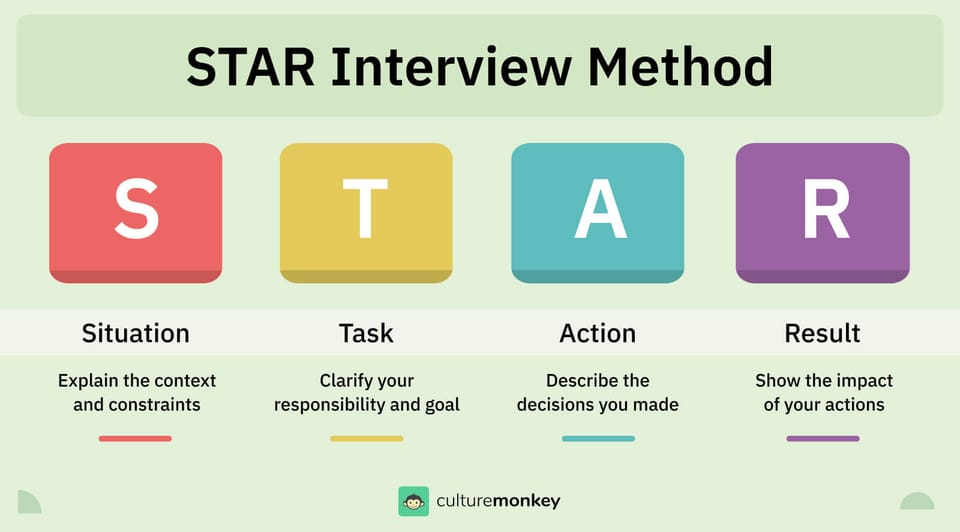
STAR method interview questions are structured prompts that ask candidates to explain a situation, action, and result to assess real past behavior clearly.