
Interview planning that turns chaos into clear decisions
 Roonan Lingam
20 min read
Roonan Lingam
20 min read

Remember those group road trips in college where everyone wanted to go somewhere different. One person suggested the beach, another swore by the mountains, and a third just wanted to stop at every food stall along the way. No plan. Just noise.
The result was usually wasted hours on detours, missed turns, and everyone silently wondering why they signed up for this ride in the first place. The fun idea quickly slipped into chaos because nobody set the route.
Interview planning works the same way. Without a clear structure, it turns into a messy detour that frustrates everyone. However, when the route is mapped out, priorities are agreed upon, and time is used wisely, the journey shifts from confusion to clarity. That’s how interviews turn into decisions that actually stick.
- Interview planning transforms unstructured, inconsistent interviews into clear, evidence-based decisions.
- Defined roles, mapped competencies, and structured question banks produce stronger, comparable signals.
- A planned flow reduces bias, prevents repetition, and shortens hiring cycles.
- Interview planning improves candidate experience through clarity, coordination, and consistent communication.
- Tools, templates, scorecards, and clear debriefs help teams move faster, align better, and make confident final decisions.
What is interview planning?

Interview planning is like carefully storyboarding a film together. Without scenes, roles, and timing mapped, the shoot drifts, and the final cut feels incoherent, and everyone wonders what went wrong. With a tight storyboard, every question lands, each interviewer adds signals, and decisions arrive faster, so candidates feel respected and informed with expectations at the stage.
Interview planning is the deliberate design of how you assess a role. It clarifies outcomes, competencies, and evidence before calendars move. You align objectives, questions, panel roles, rubrics, and timing so a structured interview process produces consistent, comparable signals.
Start with a crisp job analysis and a one-page brief. Define must-haves versus nice-to-haves, then map questions to competencies. Assign interviewers to skills, timebox each section, and prepare scorecards and candidate communication templates that set expectations clearly.
Good planning reduces bias and shortens the time to a decision. It removes duplicate loops, improves debriefs, and raises candidate experience because conversations feel purposeful and fair. Hiring managers gain confidence in the evidence, and teams commit faster without second-guessing later.
Run a kickoff with the hiring manager and interviewers. Share pre-reads, sample answers, and calibration anchors so everyone scores on the same scale. Confirm logistics, backups, and tech checks, then publish the plan so the day runs smoothly and decisions stick.
Why interview planning matters in modern recruitment
A clear interview plan creates structure, fairness, and faster hiring decisions. It aligns panels, reduces bias, improves candidate experience, and increases offer acceptance.
Data-driven coordination shortens hiring cycles and turns interviews into confident, evidence-based decisions.
Interview planning is like prepping for a championship match. If roles, plays, and timing are unclear, chaos follows. But when strategy is mapped, everyone knows their part and execution feels effortless. In hiring, this preparation means structured interviews, better decisions, and a smoother candidate journey that builds confidence in outcomes.
- Reduce bias and inconsistency: A clear plan sets expectations and scoring upfront. Structured flow ensures fairness across interviews. It creates confidence that every candidate is judged on the same level, avoiding mixed signals during the recruiting process.
- Improve interview debrief: A shared plan means interviewers capture evidence against competencies, not impressions. Interview debrief becomes faster, sharper, and based on facts. This improves decision quality and eliminates wasted time debating unclear or repeated observations.
- Integrate work sample test: Embedding a work sample test inside the plan adds a practical signal. Candidates demonstrate skills in context, and interviewers evaluate real performance. This creates stronger data for hiring managers and a fairer experience for candidates.
- Save time and resources: Planned flow removes overlaps and repetition. Interviewers focus only on their assigned skills. Candidates move through efficiently, making the process shorter and less exhausting without losing insight or depth.
- Strengthen candidate experience: Smooth coordination, clear communication, and balanced assessments make candidates feel respected. When logistics and flow are seamless, they leave with a positive impression regardless of outcome. That goodwill builds a stronger employer brand and attracts future talent.
What interview planning solves and why it matters

Interview planning is like assembling a travel playlist for a road trip. Pick the right tracks and the ride feels smooth; pick randomly and the mood whiplashes. A simple plan turns scattered questions into clear signals, speeds decisions, and helps candidates leave with confidence instead of confusion from start to finish.
- Fixes misalignment: Planning interview work turns vague expectations into shared targets and questions. Each interviewer knows their lane and evidence needed, reducing overlaps and contradictions that confuse candidates and teams, and anchoring decisions to skills, not vibes.
- Connects evaluation to outcomes: Tie competencies to a 30 60 90 day plan for interview success. Candidates discuss concrete ramp goals while interviewers score against them, turning potential into measurable fit that enables faster offers and stronger starts.
- Raises signal quality: Replace generic prompts with structured, role-based scenarios and work samples. For finance roles, use financial planning interview questions that probe judgment, generating specific evidence for sharper debriefs, confident comparisons, and fewer unnecessary rounds.
(Source: HBR)
- Shortens cycle time: A clear plan removes duplication, prevents calendar ping pong, and compresses handoffs. Planning interview logistics upfront keeps stages moving, reduces idle days, and helps candidates stay engaged while teams reach decisions faster with less backtracking.
- Improves fairness and experience: Everyone scores against the same competencies using shared rubrics and calibration anchors. Consistency lowers bias, strengthens debriefs, and makes outcomes easier to explain, so candidates feel respected and informed even when the answer is no.
- Builds alignment and accountability: The plan assigns owners for each skill area and sets clear timelines. Hiring managers review evidence against goals, reducing post-panel debates and increasing confidence that the final choice actually fits the role’s needs.
The interview planning checklist at a glance
An interview plan is like packing a carry-on for a tight connection. You choose only what matters, arrange it in reach, and skip anything that stalls security. That mindset turns interview prep into flow. It readies interviewers, steadies candidates, and makes decisions obvious when the day gets busy and less stressful overall.
- Define the role and outcomes: Write a one-page brief before calendars move. Name must-haves, nice-to-haves, and success signals. This interview plan anchors interview prep, keeps questions relevant, and helps interviewers collect evidence tied to decisions rather than vague impressions.
- Map competencies to questions: Decide which skill each session tests, then write scenario prompts. Preparing for an interview becomes focused when prompts mirror reality. Map answers to scoring anchors so comparisons stay fair and debrief finishes fast with less debate.
- Assign panel roles and timing: Give each interviewer a lane with minutes and goals. Share interview plans early so teams can prepare. Timebox sections prevent overlap and leave space for candidate questions. Expect smooth flow and a strong signal in fewer rounds.
- Integrate a realistic exercise: Add a task that mirrors decisions. Share context beforehand so interview prep is fair. Instructions and scoring rubrics turn subjective chat into evidence, making preparing for an interview easier for candidates and decisions cleaner.
(Source: HBR)
- Calibrate scoring upfront: Publish sample answers and scale definitions before day one. Shared expectations keep interviewers aligned, reduce bias, and speed debriefs. This preparation shortens back-and-forth and helps an interview plan produce clear decisions everyone trusts when interviews end.
- Plan logistics and backups: Confirm calendars, links, rooms, and tech checks. Share one run sheet so everyone knows responsibilities and timing. Good logistics support interview prep, reduce stress for candidates preparing for an interview, and keep the schedule moving despite surprises.
- Communicate expectations to candidates: Send an overview of stages, timing, and who they will meet. Provide interview prep pointers and materials to review. Clear messages lower anxiety, improve performance, and create fair comparisons without advantageous candidates who had coaching.
- Close with a crisp debrief: Hold a meeting within twenty-four hours. Review scorecards against the interview plan, surface conflicts, and decide. Fast debriefs reduce drift, prevent backchannel debates, and ensure clear yes or no outcomes while details are fresh.
Steps to effective interview planning

Interview planning is like setting stage directions before opening night. When marks, cues, and timing are clear, the cast relaxes, and the story lands. The same applies here. Lay out roles, scripts, and checkpoints, so interview preparation feels guided, and decisions emerge without friction. Map expectations early, and momentum follows.
Define the role clearly
Write a one-page role brief that lists outcomes, must-haves, and nice-to-haves. Link interview information to each competency. This interview document keeps questions relevant, aligns panels, and accelerates interview preparation so decisions rest on evidence, not instincts.
Identify stakeholders and assign roles
Name a coordinator, interviewers, and a decision owner. Share responsibilities in an interview document with timelines, meeting links, and backups. Clear owners reduce overlap, prevent last minute scrambles, and help interview information flow to people for faster, accountable debriefs.
Structure the interview process
Create a stage map with timeboxes, panel order, and objectives. Avoid duplicate questions and confirm coverage across competencies. Publish a run sheet so interview preparation feels predictable, candidates receive the same path, and evaluators collect signals that compare fairly across finalists.
Build a standardized question bank
Draft behavioral, situational, and technical prompts aligned to competencies. Tag each item to the stage and interviewer. Rotate versions to reduce leaks. A shared bank improves consistency, speeds prep for interviewers, and gives candidates an equal footing without guesswork during interview preparation.
Set up evaluation metrics & scorecards
Define scales with anchors for each competency. Provide examples of strong, mixed, and weak evidence. Require written notes before the overall rating to separate the signal from the gut feel. Standard scorecards turn interview information into comparable data and speed a fair debrief.
Candidate communication plan
Send a simple interview document that explains stages, preparation tips, names, and timing. Confirm logistics early and set expectations for decisions. Clear messages lower anxiety, improve performance, and create consistent experiences that reflect well on the brand at every touchpoint.
Significance of interview planning tools and templates in 2025
Planning tools are like reusable checklists for a busy kitchen. Recipes, timers, and prep lists turn chaos into consistent plates. In interviews, templates, agendas, and scorecards do the same.
They standardize expectations, keep conversations balanced, and make evidence visible, so decisions stay fast, fair, and repeatable in 2025. That means less drift and fewer reruns.
- Use an interview plan template - Start with an interview plan template that lists competencies, panel roles, timing, and artifacts. It speeds alignment, reduces duplicate questions, and gives new interviewers a proven path for how to plan an interview without guesswork or scatter or drift.
- Publish a clear interview agenda - Share the interview agenda in advance with stages, goals, and timeboxes. Candidates prepare thoughtfully, interviewers stay in lane, and you capture comparable evidence across sessions, which shortens debriefs and raises confidence that the flow matched what you intended to evaluate.
- Standardize an interview scorecard - Define scales with examples of strong, mixed, and weak evidence on an interview scorecard. Requiring notes before ratings separates signal from vibe, lowers bias, and lets teams compare candidates objectively while making faster, supported decisions after the last conversation ends.
(Source: HBR)
- Balance behavioral and situational questions - Blend behavioral and situational questions mapped to competencies rather than resumes. Scenarios reveal judgment, priorities, and communication, while follow-ups probe depth. This balance increases the signal and helps interviewers collect concrete examples instead of impressions that drift over time.
- Automate reminders and logistics - Automate invites, confirmations, and reschedules to protect the schedule and focus. Clear links and buffers keep the day on track, reduce no-shows, and free interviewers to gather evidence rather than wondering how to plan an interview in chaos.
- Make decisions easier with tight debriefs - Hold a short debrief within twenty-four hours using scorecards and the interview agenda. Start with evidence, not opinions. Summaries, risks, and a recommendation end the feedback loop fast, prevent backchannel debates, and keep the process fair across candidates and panels.
Common mistakes in interview planning (and how to avoid them)

Interview planning is like packing for a trek. Forget one item and the whole journey feels harder than it should. Missing essentials such as structure, clarity, or preparation slows decisions and creates confusion. Spotting mistakes early keeps the process smooth and the experience balanced for everyone involved.
- Skipping role clarity - Without a defined role brief, interviewers improvise. Questions drift, answers lack context, and comparisons collapse. A crisp document keeps everyone aligned and ensures interviews test what matters instead of wasting time on irrelevant or duplicate prompts.
- No structure in the flow - Unplanned rounds pile up. Candidates face repetition, and hiring teams burn hours. A structured plan reduces overlaps, saves effort, and shortens timelines while improving evidence quality for decisions that stand up in debriefs later.
- Weak interviewer prep - Interviewers show up without clear prompts or rubrics. The interview stalls, and candidates leave unimpressed. Sharing a bank of behavioral and situational questions, paired with a scorecard, ensures consistency and makes decisions faster and fairer.
- Poor candidate communication - Silence or vague updates signal disorganization. Clear agendas and timely reminders reduce anxiety and improve performance. Consistent touchpoints make candidates feel respected and create a stronger impression of the company’s values beyond the interview itself.
- Ignoring debrief alignment - Without a timely debrief, memories fade and bias creeps in. Holding a quick, evidence-based debrief ensures balanced input, speeds consensus, and avoids endless back-and-forth that confuses teams and delays final offers unnecessarily.
How to measure the success of your interview planning

Measuring interview planning is like checking a recipe’s results. You do not just look at taste, but also prep time and presentation. In hiring, success means more than offers accepted. It is about fairness, efficiency, and the candidate’s impression across each stage.
Measure success through reduced time-to-hire, consistent scorecards, and higher candidate satisfaction.
Great planning shows in faster alignment, stronger evidence, and fewer rejected offers. Track efficiency, fairness, and feedback; these reveal how well your plan truly works.
- Time to decide - Track days from final interview to offer. A shorter cycle shows alignment and efficiency. Long gaps signal missing structure, unclear ownership, or weak planning, which hurts momentum and candidate engagement during crucial stages.
- Quality of evidence - Review scorecards for depth and consistency. Detailed notes and ratings show the plan worked. Shallow comments suggest poor prep or unclear prompts, weakening hiring decisions and increasing risk of poor fits after onboarding.
- Candidate satisfaction - Collect candidate experience surveys at key stages. High scores confirm smooth coordination and fair treatment. Low scores reveal confusion, weak communication, or interviewer gaps, which are all signs the interview plan needs refinement.
- Interviewer feedback - Ask interviewers if the agenda, scorecards, and rubrics made their job easier. Positive responses reflect good design. Negative ones highlight friction, inefficiency, or unclear goals, which can be quickly fixed before the next round.
- Hiring outcomes - Track acceptance rate, early retention, and quality of new hires. Strong numbers mean planning supported better matches. Weak outcomes show the plan missed critical evidence, leading to poor fits and costly hiring cycles that could have been prevented.
Role of an interview intelligence software in helping with interview planning

Using interview intelligence software is like having a stage manager run a play. While the actors focus on performance, the manager ensures cues, lights, and timing work flawlessly. In interviews, software keeps logistics smooth, captures data, and turns scattered notes into clear signals so hiring teams can plan with precision and act decisively.
- Automates scheduling and logistics - The software aligns calendars, sends reminders, and manages reschedules. This reduces last-minute confusion, shortens prep, and ensures interview planning stays on track for both candidates and interviewers.
- Provides structured question guides - Built-in libraries of behavioral and situational questions simplify prep. Panels follow consistent formats, making every interview fairer and improving data quality in debriefs.
- Streamlines interview scorecards - Digital scorecards capture structured evidence in real time. Interviewers spend less energy on paperwork, and hiring teams walk into debriefs with organized, comparable feedback.
- Enables real-time coaching - Prompts and nudges remind interviewers to probe deeper or return to overlooked areas. This makes conversations sharper and ensures interview planning translates into richer signals.
- Generates actionable insights - Post-interview reports highlight trends across roles and stages. Hiring managers see where the plan worked, where it slipped, and how to refine for future cycles.
Conclusion
Interview planning is the backbone of a fair, efficient, and candidate-friendly hiring process. Without it, teams risk wasting time, poor alignment, and decisions that lack confidence. When structured properly, planning ensures that every stakeholder knows their role, every question ties back to defined goals, and every candidate experiences a process that feels purposeful and respectful.
The result is stronger signals, faster decisions, and a smoother candidate journey that enhances both employer brand and hiring outcomes.
Hummer AI empowers organisations to achieve this consistently. It automates scheduling, provides interview plan templates, streamlines scorecards, and delivers actionable insights from candidate interactions.
By supporting interview preparation and execution, Hummer AI helps hiring managers reduce bias, save time, and confidently choose the right candidates. With structure and intelligence combined, interviews shift from chaotic conversations into decisions that truly stick.
FAQs
1. What is a good candidate NPS score for most companies?
A good candidate net promoter score depends on context, but most interviews aim for above +30. That shows candidates felt the hiring process was fair and organized. When interview questions matched the job description, and expectations were clear, job seekers considered it a good fit. Always gather feedback through candidate experience surveys and research industry benchmarks.
2. When should we ask candidate NPS so that response rates are higher?
The best practice is to ask right after the interview process ends. Whether it was a video interview, job interview, or mock interview, feedback is fresh. Candidates remember interview questions, the job description, and how the interviewer asks follow-up questions. Timely surveys help job seekers describe experiences accurately and provide thoughtful questions for future interviews.
3. Should candidate NPS be anonymous or linked to a profile?
Anonymous surveys encourage job seekers to answer questions honestly, especially after tricky questions or when interests do not align. However, linking responses to profiles helps employers research specific examples across types of interview questions. The best practice is to offer both options, ensuring candidates provide feedback while protecting privacy during the hiring process and future interviews.
4. How many responses do we need before we trust the score?
To trust a candidate's net promoter score, collect at least 30–50 responses. This sample ensures answers reflect most interviews rather than extremes. Candidates describe job description clarity, interview questions, and next step communication more reliably. Research shows that gathering feedback across several questions produces accurate insights for the hiring process and supports the decision-making process.
5. Can we run candidate NPS for rejected candidates without hurting the brand?
Yes, surveying rejected candidates can be helpful if done respectfully. Sending a short thank-you note before asking for feedback makes the interest feel genuine. Job seekers may still share professional background, interview questions they faced, or tips for improvement. This research not only strengthens employer reputation but also helps refine future interviews and job search strategies.
6. How do we connect candidate NPS to offer acceptance or time to hire?
Tracking candidate net promoter score alongside metrics like job offer acceptance and hiring process length is effective. Candidates who describe successful interview experiences often note clear job descriptions, helpful interview questions, and thoughtful follow-up. Research suggests that stronger scores signal better alignment of career goals, values align, and a higher likelihood of accepting positions quickly.
7. What question wording increases response rate without bias?
Keep surveys simple. Ask open-ended questions like, “How likely are you to recommend our hiring process ?” Avoid leading phrases or tricky questions. Research shows that candidates provide specific examples when wording feels neutral. Add a thank you note and follow-up question to encourage complete answers. Clear survey design boosts accuracy and delivers helpful feedback.
8. Can AI help tag themes and suggest actions from open text?
Yes, AI can review candidate feedback from interview questions and highlight key points. It clusters comments about resume review, common interview questions, or career services support. This research helps employers refine the interview process, write clearer job descriptions, and prepare questions that lead to best responses. AI tools transform open-ended notes into data-driven next-step actions.
More from HummerAI Blog

Recruitment dashboard guide: what to track and why it matters
A recruitment dashboard is a centralized view of hiring activity that shows role status, candidate progress, bottlenecks, and key metrics, helping teams track what’s moving, what’s stalled, and where decisions are needed across the hiring process.
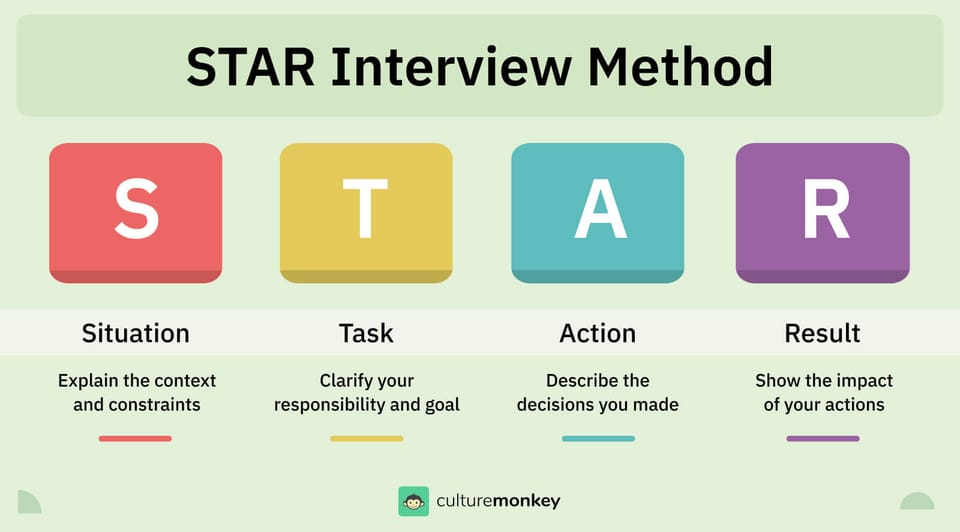
STAR method interview questions: How to answer them with real examples
STAR method interview questions are structured prompts that ask candidates to explain a situation, action, and result to assess real past behavior clearly.