
Interview feedback that drives better hires & better careers in 2026
 Roonan Lingam
18 min read
Roonan Lingam
18 min read

Think about the last time you bought a new bike. You didn’t walk out of the store just trusting the glossy brochure. You wanted someone to tell you how it actually handles on turns, whether the seat feels stiff after ten minutes, and which gear shifts feel smoother than advertised. Maybe a friend warned you about a model with great looks but terrible brakes. That little dose of real-world insight shaped your choice more than any sales pitch ever could.
Interview feedback works the same way. Candidates don’t need vague praise or cryptic comments; they want clear guidance and real context. When the hiring process offers nothing but silence or generic lines, people fill the gaps with doubt.
Thoughtful, honest feedback changes that. It builds trust, strengthens your hiring brand, and turns every interview into a more meaningful exchange for both sides.
- Interview feedback records strengths, gaps, and evidence to turn interviews into fair, explainable hiring decisions.
- Clear, timely feedback builds candidate trust, supports growth, and protects employer brand credibility.
- Good feedback is outcome-first, behavior-based, specific, respectful, and consistent across interviewers.
- Avoid vague language, personal assumptions, delays, and internal debate leakage in feedback notes.
- Structured examples, templates, and data analysis help HR refine questions, train interviewers, and improve hiring quality.
What is interview feedback?

Interview feedback is a structured summary of a candidate’s performance during an interview. It documents what the candidate demonstrated, how their responses aligned with role expectations, and whether they should move forward in the hiring process.
In practice, interview feedback turns individual observations into clear, shared insights. It helps interviewers move beyond vague impressions by capturing strengths, gaps, and evidence from specific answers, making decisions easier to explain and compare.
At its core, interview feedback relies on a repeatable structure and common language. Using templates or standardized criteria ensures fairness, reduces bias, and enables teams to communicate outcomes consistently to both candidates and internal stakeholders.
Why should you give interview feedback after all your interviews?
Giving interview feedback is like returning a borrowed bike in better shape than you found it. You point out the loose brake, the smooth gear shift, or the soft tire so the next rider avoids surprises. The same clarity helps candidates and hiring teams move forward with fewer doubts and cleaner decisions.
- It builds trust with candidates: Sharing candidate interview feedback shows respect, clarity, and professionalism, which strengthens your hiring reputation and reduces negative experiences created by silence or vague rejections.
- It supports genuine skill growth: Giving interview feedback helps candidates understand what worked and what didn’t. They leave with direction rather than confusion, making the process feel constructive even when they aren’t selected.
- It improves evaluator consistency: Structured interview feedback keeps teams aligned. Decisions rely on observable examples instead of memory, helping everyone compare candidates using the same standards and expectations.
- It prevents mixed signals internally: When interviewers document specific observations, you avoid contradictory opinions that delay decisions or create unnecessary debates about strengths, gaps, or role fit.
- It ensures fairer hiring decisions: Using interview feedback examples and rubrics reduces bias by focusing on behavior, clarity, and evidence. It removes guesswork and encourages balanced, repeatable evaluation across every hiring round.
Now that the value is clear, the real impact comes from how you deliver feedback. When done with clarity, structure, and care, your guidance becomes a growth tool for candidates and a decision-making asset for every interviewer on your team.
How to give good interview feedback?

Good interview feedback is like a coach’s halftime talk in a tight game. The goal is not to sound clever; it is to turn fuzzy impressions into clear next steps so everyone knows what to fix, repeat, or completely stop doing. The same applies when you write down structured interview feedback after every round.
- Start with the outcome first: Begin candidate interview feedback by stating the overall decision and reason. Then support it with two or three concrete examples so they understand clearly what influenced the call, instead of decoding vague phrases later.
- Anchor comments in behavior, not personality: Describe what the candidate did, said, or showed, rather than who they are. This keeps interview feedback examples objective, reduces defensiveness, and makes your notes easier to reuse in calibration discussions later.
- Use a simple structure every time: Follow a clear pattern like strength, concern, and recommendation. Structured interview feedback shortens writing time, improves consistency across interviewers, and helps people skim quickly without missing important signals about fit or risk.
- Be specific enough to be useful: Replace phrases like “communication needs work” with concrete moments from the conversation. Specific interview feedback examples give candidates something real to build on and give your team clearer evidence behind every hiring decision.
- Balance honesty with respect: Aim for direct, calm language that tells the truth without shaming. Thoughtful candidate interview feedback preserves your brand, keeps doors open for future roles, and makes even rejections feel measured rather than careless or cold.
Now that the basics are in place, the next step is making feedback truly constructive. That means writing comments that feel fair, specific, and actionable enough for candidates and hiring managers to actually change something because of it.
How to give constructive, fair, and actionable interview feedback

Constructive feedback is like tuning a new bike after the first long ride: you tweak the seat, tighten the brakes, and note what felt unstable. The ride is over, but those adjustments decide whether every future trip feels smoother, safer, and genuinely worth repeating.
summarize strengths before areas of improvement
Start with two or three clear strengths so candidates know what they did well. Then introduce improvement points. This sequence keeps them open to feedback instead of feeling attacked from the first sentence.
be specific, not vague
Swap phrases like “needs better communication” for exact moments from the interview. Name the question, the answer, and what was missing. Specific detail makes feedback usable instead of sounding like a generic line copied from another rejection.
Stay objective: Focus on skills, not personality
Describe observable behavior, not character. Say “answered without concrete examples” rather than “seemed unprepared.” This keeps feedback professional, reduces defensiveness, and helps interviewers stay aligned on the actual skills required for the role.
Be timely with your feedback
Share feedback while the conversation is still fresh in everyone’s mind. Fast responses feel respectful, shorten decision cycles, and stop panels from rewriting history later because details faded or got replaced by guesswork.
Balance honesty with compassion
Be direct about gaps, but avoid harsh language or sarcasm. Imagine you are speaking to a future colleague or customer. The goal is clarity with respect, not winning an argument or proving you were right.
Provide actionable next steps
Tell candidates what to practice, not just what went wrong. Suggest areas to study, scenarios to rehearse, or skills to build. Actionable advice turns disappointment into a roadmap instead of leaving them stuck replaying the interview endlessly.
Use real examples from the interview
Anchor every major point in one or two concrete exchanges from the call. Mention the question, their answer, and why it did or did not meet the bar. Real examples make your feedback believable, fair, and much easier to learn from.
Knowing how to craft strong feedback is only half the work. The other half is avoiding patterns that confuse candidates or weaken your process, which is why clear “don’t do this” rules matter just as much as best practices.
What to avoid when giving interview feedback

Bad interview feedback is like handing someone a map with half the streets erased and insisting it is “close enough.” They might reach the destination, but only after detours, frustration, and guesswork. In hiring, that same fuzziness quietly damages trust, brand perception, and future pipeline long before anyone notices what went wrong.
- Avoid generic lines: Phrases like “not a fit right now” or “we went with someone else” teach nothing. Candidates leave confused, and your team misses a chance to reinforce standards, brand, and expectations in just a couple of clear sentences.
- Avoid commenting on personal traits or protected characteristics: Feedback about age, accent, background, or appearance crosses lines fast. Focus instead on observable behavior and job skills so your notes stay ethical, defensible, and helpful for candidates and internal reviewers.
- Do not overload feedback with internal politics: Sharing every disagreement between interviewers only confuses candidates. Summarize the final decision in one coherent story so external messages stay stable, even when the internal discussion behind them was messy, emotional, or debated.
- Avoid delaying feedback until no one remembers the details: When you wait weeks, comments become vague or defensive. Timely notes feel respectful, support faster decisions, and stop strong candidates from assuming silence means rejection or disorganization on your side.
- Do not speculate or diagnose: Avoid guessing about personal motives, confidence levels, or “vibes.” Stick to what was said, done, or missed in the interview so feedback remains grounded, clear, and less likely to trigger arguments or formal complaints later.
- Avoid writing feedback to protect the company: If your notes read like legal disclaimers, they help no one learn. Aim for plain, professional language that is safe to share yet still honest enough to guide hiring decisions and candidate growth.
With the pitfalls clear, you can start designing feedback that actually helps people grow. The next step is deciding what belongs in a strong interview note, and what should always stay out of it altogether.
What to include and what to avoid in an interview feedback
Writing interview feedback is like packing a travel bag for someone else’s trip. Add too much, and it is heavy and confusing. Add too little, and they arrive unprepared. The right mix of detail and restraint turns every feedback after an interview into a useful, repeatable system for candidates and hiring teams alike.
- Include clear overall outcome: Start with a short summary of the decision and why. Candidates should not have to decode your interview feedback form. One or two lines explain whether they are moving forward and what tipped the scale for the hiring team.
- Include concrete strengths and gaps: List two or three strengths and two or three gaps tied to real answers. This keeps interview feedback best practices simple. A light interview feedback template with bullets, not essays, helps managers skim and compare candidates fairly across roles.
- Include specific examples, not generalities: Reference exact questions, scenarios, or quotes from the interview instead of vague impressions. These details make AI interview feedback usable for later reviewers. Concrete examples also protect against bias by anchoring judgments in what was actually said or done.
- Avoid personal comments or assumptions: Leave out remarks about personality, background, or lifestyle. Stick to skills, behaviors, and answers from the call. This keeps feedback after the interview professional, reduces legal risk, and makes your interview feedback form safe to reuse or share internally.
- Include timing and next steps: Good interview feedback best practices always answer “what happens now.” Note timeline, next stages, or closure. When combined with structured notes and AI interview feedback, this clarity makes decisions faster for hiring managers and less stressful for candidates.
Once the ingredients are clear, examples make everything real. Seeing actual positive, negative, and constructive comments helps interviewers move from theory to practice and copy patterns that are honest, specific, and still safe to share.
Examples of positive, negative, and constructive feedback

When hiring teams see clear, concrete lines instead of vague templates, candidate feedback becomes easier to write, more consistent to deliver, and far more helpful for job seekers who value prompt feedback and clarity during the hiring journey.
Clear lines also help interviewers document feedback accurately, sharpen interview skills, and maintain alignment across teams.
- Positive feedback example: Recommend moving forward. The candidate gave thoughtful, specific answers, showed strong nonverbal communication skills, and demonstrated a deep understanding of the role. They connected past work to current needs and responded well to follow-up questions.
- Negative feedback example: We are not moving forward. The candidate struggled to provide concrete examples, stayed high level, and missed key follow-ups. This made it difficult to assess depth or alignment. Sharing detailed feedback helps candidates understand gaps without discouraging them.
- Constructive feedback example: A strong but rejected candidate. You showed solid stakeholder skills. To be more competitive, organize answers more tightly, bring measurable outcomes, and prepare for common interview feedback questions. We offer constructive feedback so future conversations land with more clarity and confidence.
- Balanced post-interview message example: We selected another candidate whose background aligned more closely with current priorities. Your cross-functional communication stood out. With deeper forecasting and budgeting exposure, we’d gladly revisit suitable roles. This keeps feedback that candidates receive as supportive yet honest.
Once your team sees examples like these, feedback for interview candidate performance stops feeling abstract. The next step is using structured notes to improve hiring quality, document feedback trends, and refine how recruiters are delivering feedback across every round.
How HR teams use feedback data to improve hiring
Improvement happens when interview feedback stops living in email threads and starts behaving like measurable, searchable data.
- Spot patterns across roles and teams: By aggregating structured feedback, HR sees repeated strengths, gaps, and red flags by role, recruiter, or location. Those patterns guide training, job description tweaks, and interview panel design instead of relying on anecdotes from a few loud stakeholders.
- Link feedback to hiring outcomes: HR teams connect interview feedback scores and themes to on-the-job performance and retention. When they see which signals predict success, they refine interview questions, case studies, and scoring guides to double down on traits that truly matter long term.
- Identify broken steps in the hiring funnel: Consistent notes about confusion, rushed panels, or repetitive stages highlight process issues, not just candidate problems. HR uses that data to fix briefing quality, adjust stage order, or remove low-value steps that only slow offers without improving quality.
- Coach interviewers with real examples: Instead of abstract training, HR brings anonymized feedback excerpts to calibrations. They show what strong, weak, and unclear notes look like, then coach interviewers to ask better questions, capture detail, and avoid comments that feel biased or vague.
- Power smarter automation and templates: Once patterns are clear, HR builds Email templates for interview feedback (positive, negative, and constructive feedback) that reflect language, not theory. These templates speed responses, standardize tone, and leave space for interviewers to plug in specific, candidate-focused details.
All that analysis only matters if it shows up in what candidates actually receive. That is where clear, reusable email wording becomes powerful, turning your feedback standards into everyday messages interviewers can send without overthinking each line.
Email templates for interview feedback (positive, negative, and constructive feedback)

Email templates for interview feedback work like playlist presets before a long drive. You still choose the songs, but the mood is set, and transitions feel smooth. Instead of rewriting every note, your team starts from a proven structure and customizes details for each candidate.
That keeps tone consistent, makes the feedback process easier, and ensures your hiring process delivers clear and helpful interview feedback every time.
1. Positive interview feedback email
Subject: Next steps in your interview process
Hi [Candidate name],
Thank you for taking the time to speak with us today.
We’re happy to move you forward to the next stage of the interview process. Your structured answers, critical thinking skills, and exceptional problem-solving approach stood out clearly. You also showed strong alignment with the role and our current priorities.
Our team will be in touch shortly with details on the next steps.
Best regards,[Recruiter name]
2. Negative but respectful interview feedback email
Subject: Update on your interview
Hi [Candidate name],
Thank you for interviewing with us and for the preparation you brought to the conversation.
After careful review, we’ve decided not to move forward at this stage. Another candidate’s experience more closely matched the role’s current requirements. We truly appreciated your effort and encourage you to apply again as new opportunities open.
We wish you the very best in your job search.
Kind regards,[Recruiter name]
3. Constructive interview feedback email
Subject: Thank you for interviewing with us
Hi [Candidate name],
Thank you for taking the time to speak with our team.
While we won’t be progressing your application, we wanted to share some constructive interview feedback to support future conversations. Your communication skills and sense of ownership were strong positives.
To strengthen future interviews, we recommend including a clearer structure and measurable outcomes when discussing complex tasks or decisions. These adjustments can help your impact come through more clearly.
We appreciate your interest and wish you continued success.
Best regards,[Recruiter name]
4. Panel interview summary (internal email or ATS note)
Subject: Panel interview feedback summary – [Candidate name]
Overall decision: [Proceed / Hold / Reject]
Key strengths: – [Strength 1] – [Strength 2]
Key gaps or concerns: – [Gap 1] – [Gap 2]
Technical interview feedback: – [Specific example or quote]
Notes:Use this structured interview feedback form template to keep evaluations consistent, searchable, and easy for hiring managers and recruiters to review later in the recruitment process.
5. AI-assisted feedback template starter (internal use)
Subject: Draft interview feedback – [Candidate name]
Start with a core sample of interview feedback that captures the decision, strengths, and gaps.
AI-assisted suggestions can help refine tone, clarify wording, and reduce writing time while preserving space for personal notes. This approach supports effective interview feedback, especially when sharing negative interview feedback examples or clarifying technical expectations across roles.
Templates are only the beginning. The advantage appears when every comment becomes structured data your systems can read, turning scattered lines into hiring intelligence that strengthens the entire interview process from first conversation to final decision.
How Hummer AI turns interview feedback into actionable hiring intelligence?
Hummer AI is like having a research analyst sit in every interview meeting, quietly recording the details, tagging patterns, and turning scattered comments into sharp insights. Instead of letting feedback live in inboxes or spreadsheets, it transforms raw notes into signals hiring teams can search, compare, and trust at scale.
- Turns comments into structured data: Hummer converts feedback into tagged themes so teams see patterns across roles, rounds, and interviewers. This clarifies interview feedback meaning and removes the guesswork that usually slows hiring decisions.
- Identifies strengths and risks instantly: Automated summaries highlight traits that predict success. This supports best practices for collecting interview feedback after each round without adding extra work for recruiters or panels.
- Improves alignment across teams: Hummer organizes notes so interview feedback to the recruiter, hiring manager, and panel stays consistent. It prevents conflicting opinions by giving everyone one source of truth.
- Provides examples for training: By spotting recurring weak explanations, vague notes, or unclear ratings, Hummer surfaces unsuccessful interview feedback examples. This helps teams coach interviewers and refine questions for future cycles.
- Feeds better decisions in real time: When interview feedback examples are structured, leaders see which candidates consistently show strong signals before scheduling follow-ups or final panel rounds. It removes hunch-based decisions and keeps interviews grounded in reliable evidence.
- Guides fairer, more transparent hiring: Patterns across responses help teams catch bias, clarify evaluation gaps, and maintain fairness through each interview feedback meeting. Decisions become easier to explain internally and externally.
Conclusion
Interview feedback has become one of the most reliable ways to strengthen hiring quality, reduce misalignment, and create a consistent experience for every candidate. When done well, it helps teams understand what truly predicts success, improves interviewer performance, and removes the guesswork that often slows decisions or leads to biased outcomes.
Clear feedback also sets expectations for candidates, preserves your employer's reputation, and ensures hiring managers make decisions based on evidence rather than scattered impressions.
This is where Hummer AI transforms the process. It captures every conversation, structures notes automatically, and highlights the patterns that matter most across roles and interviewers. Recruiters no longer chase missing comments or decipher vague summaries.
Leaders get transparent insights they can trust, and candidates experience a smoother, more respectful journey. By turning raw observations into actionable hiring intelligence, Hummer AI helps organisations hire faster, fairer, and with far greater confidence in every decision.
FAQs
1. What are good interview feedback examples?
Good interview feedback highlights positive aspects, specific skills, and clear observations. Strong examples reference detailed responses, past experiences, concise answers, and moments showing in-depth knowledge or genuine interest. Great feedback keeps a positive tone, avoids generic statements, and explains why the candidate created a positive outcome while following the same process used for every job interview.
2. How to provide feedback after an interview?
Provide feedback after an interview by sharing clear observations, structured notes, and balanced positives with careful consideration. Focus on detailed responses, past experiences, and areas to improve without discouraging the candidate. Keep a positive tone while offering actionable steps. Always use the same process for fairness and document comments inside your applicant tracking system for consistency.
3. What is an example of a good feedback comment?
A strong feedback comment sounds specific and helpful. For example: “You demonstrated in-depth knowledge, stayed calm, and gave concise answers supported by past experiences. Your communication showed genuine interest and strong potential for a positive outcome.” Clear, role-aligned details like these improve clarity, support a positive candidate experience, and help job seekers understand what worked well.
4. What is an example of good feedback for a recruiter?
Good feedback for a recruiter highlights efficiency, clarity, and thoughtful guidance. For instance: “The recruiter provided a positive tone throughout the job interview process, shared timely updates, and demonstrated a proven track record of fairness and careful consideration.” Comments like these help recruiters refine communication, maintain a positive candidate experience, and ensure the same process is followed consistently.
5. Who should provide interview feedback: interviewer, recruiter, or hiring manager?
Interview feedback works best when interviewers, recruiters, and hiring managers each contribute. Interviewers share observations from detailed responses and nonverbal cues. Hiring managers add context tied to role expectations and past experiences. Recruiters translate all insights into clear communication. When all three follow the same process, candidates receive structured, meaningful feedback after an interview with a consistent positive tone.
6. What makes good interview feedback vs poor feedback?
Good interview feedback is specific, balanced, and tied to real examples, not vague impressions. It references positive aspects, past experiences, and concise answers. Poor feedback feels generic, unclear, or emotional. Teams using careful consideration and the same process create fairness, stronger decisions, and a consistently positive candidate experience across every stage of the hiring workflow.
7. Can interview feedback help improve future hiring decisions?
Yes. Structured feedback improves future hiring decisions by revealing patterns across candidates, interviewers, and roles. When teams analyze detailed responses, positive aspects, and past experiences, they refine questions and evaluation criteria. Consistently documenting feedback after an interview strengthens accuracy, drives better judgment, and helps build a proven track record of fair, data-supported hiring choices over time.
8. What tools or systems help streamline interview feedback collection?
Applicant tracking systems help teams collect, organize, and compare feedback after an interview. Modern platforms establish secure systems for consistent documentation, structured forms, and standardized templates. These tools ensure the same process for all candidates, highlight positive aspects and gaps, and maintain a positive tone while improving accuracy, fairness, and efficiency across the entire job interview lifecycle.
More from HummerAI Blog

Recruitment dashboard guide: what to track and why it matters
A recruitment dashboard is a centralized view of hiring activity that shows role status, candidate progress, bottlenecks, and key metrics, helping teams track what’s moving, what’s stalled, and where decisions are needed across the hiring process.
STAR method interview questions: How to answer them with real examples
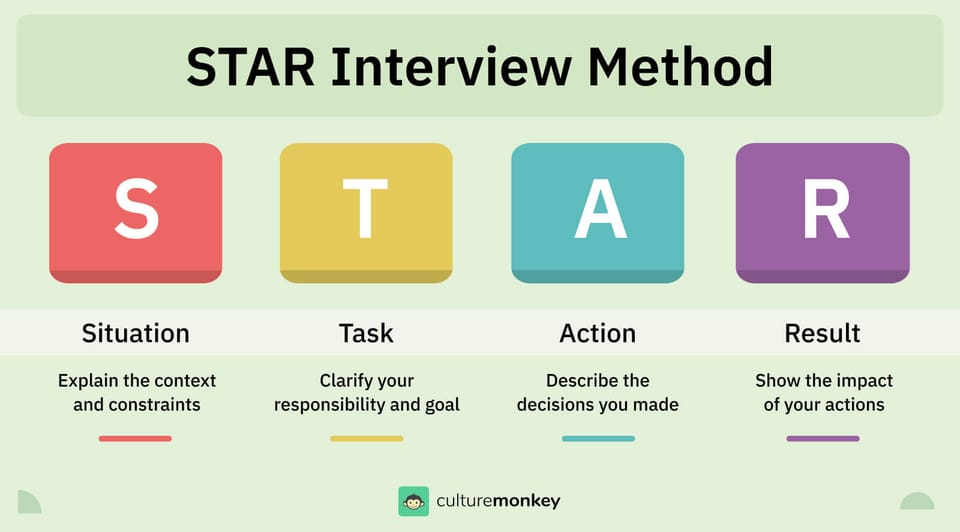
STAR method interview questions are structured prompts that ask candidates to explain a situation, action, and result to assess real past behavior clearly.