
Interview copilot guide for recruiters and hiring managers
 Roonan Lingam
14 min read
Roonan Lingam
14 min read
Most hiring leaders have experienced interviews that felt strong in the moment but raised questions later. Notes are incomplete, feedback varies across interviewers, and important signals emerge only after the candidate has left. Over time, this creates doubt about whether decisions were based on insight or instinct.
An interview copilot addresses this gap by supporting interviewers during live conversations. It captures context, structures evaluation, and reduces reliance on memory without interrupting the flow of the interview.
From an employer’s perspective, the value lies in consistency and clarity. An interview copilot helps teams compare candidates fairly, align feedback more quickly, and make decisions with confidence rather than relying on post-interview guesswork.
- Interview copilots bring structure, consistency, and clarity to interviews without replacing human judgment.
- They support live interviews with real-time guidance, note capture, and standardized evaluation.
- Benefits include faster decisions, reduced bias, better panel alignment, and improved interview flow.
- Risks exist around over-reliance, privacy, accuracy, and poor hiring design if tools are misused.
- When used responsibly, interview copilots improve interview quality for both candidates and hiring teams.
What is an interview copilot?
An AI interview copilot is like a structured guide sitting beside you during a job interview, keeping the job description in focus while you lead the conversation. It provides real-time support during an interview session, helping you track interview questions without breaking the flow. The result is clarity instead of recall gaps.
At its core, interview copilot software listens, organizes, and tags moments against skills and criteria. Used inside Microsoft Teams, an interview copilot tool captures context cleanly, especially during technical interviews, so feedback stays consistent across panels and roles.
For job seekers, the value shows up in interview prep and reflection. By reviewing answers against the job description or running mock interviews, candidates refine how they present skills during a job search and move closer to a dream job.
As an interview copilot for hiring, it improves decisions by anchoring feedback to evidence. An AI interview copilot reduces bias, supports fair comparison, and helps teams move from scattered notes to confident outcomes without losing the human side.
How an interview copilot works during live interviews

A real-time interview copilot is like a seasoned co-interviewer who never forgets the rubric, even in back-to-back interviews. During live interviews, inside Google Meet or similar calls, it quietly keeps you on track, suggests the next questions, and captures evidence. That way, interviewers stay present while the system handles structure and recall.
- Join and calibrate: Interview Copilot for recruiters launches with the call, sets the rubric, and shows prompts to Interview Copilot for interviewers. As an interview assistant, the interview co-pilot keeps the interview co-aligned on what to probe.
- Guide the conversation: In an AI interview, the tool monitors pacing and coverage, then suggests follow-ups that align with your interview style. It can nudge, for example, spot missed signals, and help candidates give tailored answers without turning the conversation robotic.
- Capture evidence fast: The interview copilot AI tool transcribes, tags competencies, and saves highlights with timestamps. A real-time interview copilot drafts scorecards so interview skills are judged on proof, not vibes, boosting interview success when panels compare notes later.
- Support tough rounds: In the final round, it surfaces earlier concerns, repeats key questions, and flags gaps against the rubric. This reduces rehashing, keeps the stakes fair, and helps interviewers focus on depth rather than remembering what happened last time.
- Prep and handoff: Before the call, it pulls the job brief into interview preparation prompts and suggests what to verify. Afterward, it generates a clean recap and open questions, so recruiters can move candidates forward without chasing every interviewer.
Once you see the mechanics in action, the big question becomes what it changes for quality and speed. Next, we’ll break down the benefits of using an interview copilot, from cleaner evaluations to calmer debriefs.
Common risks and limitations of interview copilots
An interview copilot is like a navigation system during a complex route. It helps you stay calm, avoid awkward pauses, and sound polished, but it cannot see every road condition. In interviews, results improve when tools support judgment, yet risks appear when teams expect automation to replace thinking, context, or experience during high-stakes rounds.
Risks of using interview copilots

1. Data security and privacy:
Interview Copilot pros and cons often start with privacy. During live coding, screen sharing, or panel interviews, sensitive answers and preferred device details can be captured and stored.
If governance is weak, an AI copilot may expose interview data beyond its purpose. This risk increases across online assessment tools and final round workflows.
2. Data poisoning:
When interview help systems learn from repeated inputs, low-quality interview notes can shape future prompts. Biased patterns may influence follow-up questions across interview type variations.
Over time, this weakens the interview copilot for structured interviews. It can also mislead interviewers if the interviewer asks recycled prompts without review or calibration.
3. Over-reliance on automation:
Interview copilot vs interview notes can feel faster, but it may dull judgment. Interviewers may probe less, especially during interview copilot for behavioral interviews, where nuance matters.
This risk increases in Interview Copilot for panel interviews. Shared trust in the tool can replace debate, weakening the interview copilot for consistent hiring decisions in the final round.
4. Security vulnerabilities:
Advanced features like stealth mode and multiple languages increase exposure points. Each integration creates new security paths that need routine audits and controls.
Without testing, tools used for technical questions or live coding may expose hiring systems. This can impact high-risk roles like data analyst and engineering interview loops.
5. Misinterpretation of signals:
An AI interview assistant can tag answers but miss intent. Tone, pauses, or switching career context may be misread, especially when candidates try to sound polished.
That affects whether we can interview copilots, reduce interviewer bias, or just standardize it. The tool may present wrong confidence, not better accuracy, in close decisions.
Limitations

1. No substitute for expertise:
Interview Copilot for structured interviews supports consistency, not judgment. It cannot replace deep evaluation during system design, domain tradeoffs, or senior role interviews.
When the stakes are high, the interviewer still decides what matters. A tool can summarize responses, but it cannot validate technical depth, ethics, or long-term fit.
2. Doesn’t guarantee success:
An AI copilot can help candidates feel confident and stay calm, but results still depend on answers and readiness. It supports process, not outcomes.
Even strong prompts cannot fix weak fundamentals. In a final round, the best interviews still come from preparation, clarity, and real examples, not automation.
3. Limited skill building:
Tailored guidance can improve delivery, but it may reduce real interview preparation. Over time, candidates lean on the tool instead of building interview skills.
This is common when people want personalized answers fast. The result can look polished, yet collapse under deeper technical questions or follow-up questions.
4. Accuracy varies by context:
Performance varies across accents, noisy calls, and language barriers. Even with multiple language support, meaning can shift in summarization.
In fast panel interviews, small misses compound. That can skew how candidates are compared, especially when an interview copilot for consistent hiring decisions relies on summaries.
5. Doesn’t fix broken hiring design:
Interview Copilot helps structure, but it cannot fix unclear rubrics, weak job criteria, or poor interviewer training. A broken process stays broken.
If evaluation standards are inconsistent, the tool only documents the inconsistency. In those cases, interview copilot pros and cons lean toward more records, not better decisions.
Old playbook vs New playbook
What matters next is how insight replaces noise. The real leap happens when interview signals are synthesized, not just captured, turning scattered answers into decisions leaders can act on with confidence and speed.
How Hummer AI synthesizes interview signals into clear, actionable insights

Hummer AI is like a senior reviewer sitting in the room after every interview, turning scattered inputs into a shared point of view. Instead of raw notes or memory gaps, it connects signals as they happen. The outcome is simple cause and effect: better inputs lead to clearer decisions, faster alignment, and fewer second guesses.
- Signal capture in real time: Hummer AI listens across meeting software and works as a desktop app or browser tab. In real time, the copilot helps capture interviewer prompts, candidate responses, and system design discussions without interrupting flow or distracting the interviewer mid-conversation.
- Contextual synthesis, not transcripts: Using AI models, Hummer AI groups responses by job criteria rather than chronology. Resume context, role expectations, and interviewer intent shape summaries, so insights reflect relevance, not raw volume, after interviews conclude.
- Structured evaluation across interview types: Whether behavioral or system design, the platform normalizes inputs into comparable signals. This ensures responses from different interviewers map cleanly to skills, avoiding subjective drift when panels review feedback together.
- Built for scale and inclusivity: With multilingual support, Hummer AI reduces signal loss caused by language differences. Candidates stay focused on their next career move, while interviewers receive clear insights regardless of accents, phrasing styles, or interview format.
- Actionable outputs for decisions: Instead of long reports, Hummer AI surfaces strengths, risks, and follow-ups tied to the job. These insights guide hiring calls, reduce rework, and help teams move forward with confidence rather than debate.
Conclusion
Interview Copilots matter because interviews are no longer casual conversations. They are high-impact decisions that shape teams, culture, and long-term outcomes. When interviews rely on memory, instinct, or scattered notes, even experienced interviewers can miss signals. A well-designed interview copilot brings structure, consistency, and clarity to moments that directly affect hiring quality.
At an organizational level, interview copilots help reduce bias, align panels, and turn conversations into comparable evidence. They support better follow-up questions, clearer evaluations, and faster decisions without stripping interviews of human judgment. This balance is critical in high-volume hiring, complex roles, and global teams where consistency is hard to maintain.
Hummer AI strengthens this impact by synthesizing interview signals into clear, actionable insights. Instead of raw transcripts or summaries, it connects responses to job criteria, highlights risks and strengths, and supports confident decisions. The result is hiring that feels deliberate, fair, and scalable, not rushed or subjective.
FAQs
1. What does an interview copilot actually do?
An interview copilot is an ai powered assistant that supports interviewers during video calls by capturing notes, surfacing behavioral questions, and prompting follow-ups. It gives real-time guidance so panels stay consistent with the job role, especially in a Zoom interview loop. The goal is clearer evidence and faster debriefs, not automated hiring decisions.
2. Is using an interview copilot ethical and legal?
It can be, when you treat it like a personal coach with clear consent and tight data rules. Disclose recording, limit retention, document purpose, and follow local privacy and employment laws. Avoid hidden use in sensitive job role screenings. A compliant setup improves fairness and reduces risk, especially when final round AI summaries influence decisions.
3. Do candidates know when an interview copilot is used?
Best practice is yes. Tell candidates before the Zoom interview starts, and repeat it on video calls if the panel changes. Explain what is captured, who can access it, and how it supports structured evaluation. When framed as an interview aid, like a personal coach for interviewers, candidates usually stay calm and sound confident throughout.
4. Can interview copilots introduce bias instead of reducing it?
Yes, if the tool is fed biased rubrics or if feature requests push narrow signals. It may overvalue polished speech, penalize accents, or miss context from switching careers. Reduce this by standardizing behavioral questions, reviewing summaries, and comparing tailored responses against clear criteria. Human reviewers must audit outputs regularly, especially for software engineer roles in practice.
5. Are interview copilots meant to replace interviewers?
No. They are a game changer for structure and recall, but interviewers still probe, interpret, and decide. The copilot helps keep the job role rubric visible, prompts follow-ups, and captures evidence during live conversations. In technical rounds, including software engineer interviews, humans judge depth; the tool simply reduces noise and drift over time overall.
6. How accurate are interview copilots in evaluating candidates?
They are accurate at capturing what was said and organizing it, not at judging potential. Accuracy drops with noisy video calls, overlapping speakers, strong accents, or unclear scoring. Use them to summarize, flag gaps, and suggest behavioral questions, then validate by reviewing moments and outputs. Treat final round AI summaries as drafts, not verdicts, always.
7. Can interview copilots be used in panel or remote interviews?
Yes, that’s where they shine. In panel settings, they prevent duplicate questions and keep everyone aligned on the job role rubric. In remote hiring, they work smoothly across Zoom interview workflows and other video calls, capturing tailored responses and helping interviewers coordinate follow-ups. This consistency matters when many interviewers evaluate one candidate together fairly.
8. What should hiring teams avoid when using interview copilots?
Avoid outsourcing judgment, skipping consent, or letting feature requests drive the process. Don’t use the copilot to script candidates or chase perfect phrasing. Keep questions grounded in the job role, use them for real-time guidance and note quality, and review outputs for bias. Over reliance can weaken an interviewer's skill and final decisions long-term.
More from HummerAI Blog

Recruitment dashboard guide: what to track and why it matters
A recruitment dashboard is a centralized view of hiring activity that shows role status, candidate progress, bottlenecks, and key metrics, helping teams track what’s moving, what’s stalled, and where decisions are needed across the hiring process.
STAR method interview questions: How to answer them with real examples
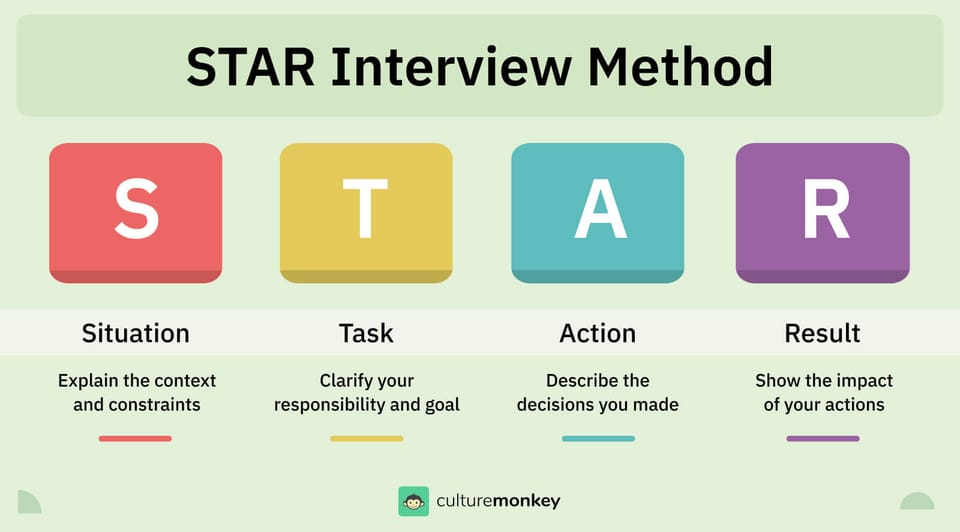
STAR method interview questions are structured prompts that ask candidates to explain a situation, action, and result to assess real past behavior clearly.