
Interview analysis for fair, consistent, and confident hiring decisions
 Roonan Lingam
17 min read
Roonan Lingam
17 min read

Ever notice how watching a mystery movie for the second time feels completely different? The first time, you’re just following the plot. The second time, you start catching the tiny clues you missed earlier: a glance that lasted a little too long, a detail hidden in the background, a line that suddenly carries new meaning. You realize the story wasn’t just happening in front of you; it was quietly revealing itself the whole time.
Interview analysis works the same way. You’re not just replaying conversations. You’re uncovering signals, patterns, and intent that were always there but easy to overlook in real time.
And in a hiring market where intuition alone doesn’t cut it anymore, understanding what your interviews are really telling you is the difference between guessing and knowing.
- Interview analysis turns conversations into structured, comparable data that improves hiring accuracy and reduces bias.
- Automated tools capture transcripts, sentiment, patterns, and behaviours to replace guesswork with evidence.
- Structured methods like thematic analysis, coding, segmentation, and scorecards create consistent evaluations.
- AI speeds review, uncovers hidden insights, links interviews to outcomes, and builds predictive hiring intelligence.
- Hummer AI unifies transcripts, scoring, dashboards, and insights to help teams hire faster, fairer, and with higher long-term success.
What is Interview Analysis?

Interview analysis is like turning on the lights after walking through a dim room. During the conversation, you sense the shapes, the tone, the intent. But once you switch on the light, everything becomes clearer, patterns surface, gaps show, and the story you thought you heard becomes the story that actually exists. That shift from assumption to clarity is exactly what interview analysis qualitative research delivers.
In practice, it is the structured process of examining conversations to uncover themes, signals, and decision-critical insights. Instead of relying on gut instinct, you apply thematic analysis, behavioural cues, and structured scoring to understand what candidates truly bring to the table. It’s where interview analysis of qualitative data transforms from scattered notes into meaningful patterns.
Done right, interview analysis gives hiring teams a sharper, more consistent way to evaluate fit, predict performance, and remove blind spots that intuition alone cannot catch.
Benefits of automated interview analysis

Automated interview analysis is like having a sharp, unbiased co-pilot in every hiring conversation. While managers focus on chemistry and context, AI quietly captures patterns, themes, and blind spots.
It turns scattered impressions into structured interview analysis, qualitative data your team can actually use, helping you analyse qualitative data with the same consistency you expect from quantitative data analysis, without adding extra admin or slowing decisions.
- Removes manual note chaos: Automated tools capture every detail, replacing ad-hoc data collection with clean qualitative data analysis your team can trust. They convert messy conversations into consistent logs that make case analysis, interview reviews faster, clearer, and much easier to compare across qualitative interviews.
- Unlocks deeper patterns: AI applies thematic analysis and narrative analysis across interviews, surfacing repeated behaviours, motivations, and risks you miss in real time. It turns interview analysis and qualitative research into a living dashboard instead of feedback buried in scattered hiring documents used by qualitative researchers and focus groups.
- Reduces bias and inconsistency: Automated scoring reviews the same analysis interview questions across candidates, so decisions rely less on mood or recall. Structured outputs make it easier to defend choices, spot bias patterns, and refine interview formats using reliable qualitative research methods.
- Speeds up decision cycles: Interview summaries land minutes after calls, not days later when memories fade. Managers jump straight into reviewing analysis skills interview questions instead of reconstructing conversations, enabling quicker qualitative interview data analysis without sacrificing candidate quality.
- Creates reusable interview assets: Every conversation becomes structured data you can revisit in a case analysis interview, train new managers, or refine rubrics. Over time, your library of calls becomes a practical playbook for stronger, repeatable hiring decisions supported by both qualitative analysis and quantitative data.
- Improves collaboration across hiring teams: Shared dashboards mean everyone reviews the same interview analysis qualitative data, not random notes. Recruiters, hiring managers, and leaders align faster because they see transcripts, highlights, and reasoning instead of vague first impressions reinforced by inconsistent data analysis habits.
Once you see how automation cleans up the chaos, the next question is simple. What happens when you combine these tools with a disciplined, structured analysis approach to every important interview decision your team makes?
Why structured analysis improves hiring accuracy

Structured interview analysis is like switching from quick sticky notes to a shared project board. In the room, everyone has impressions; afterwards, those impressions drift. When you force every interviewer to score, tag, and explain, patterns replace hunches, and hiring accuracy quietly tightens.
That discipline turns raw data into meaningful qualitative interview data your team can map back to research objectives and practical hiring outcomes.
- Replaces gut feel with shared evidence: Structured scoring forces every interviewer to explain ratings against the same criteria. When one person is wowed and another cautious, you see the gap clearly instead of averaging vague impressions into a maybe-hire, strengthening the overall analysis process across interview data.
- Connects interviews across formats: Structured notes make a one-to-one and an analysis group interview comparable. You can see who performs consistently across panels by reviewing textual data instead of rewarding whoever clicked with the loudest interviewer that day.
- Turns conversations into reliable data: With AI interview analysis, every answer becomes tagged, coded, and summarised the same way. This coding qualitative data step makes it easier to compare candidates, pull key insights, run sentiment analysis, and refine research questions for future interviews.
- Links hiring quality to outcomes: When you connect structured scorecards with performance reviews, exit interview analysis, and customer feedback data, you start seeing which interview data signals truly predicted success or churn. Over time, interview data analysis becomes a repeatable loop that strengthens hiring decisions.
- Improves fairness across candidates: Structured analysis pushes interviewers to ask similar questions, capture comparable interview data, and justify ratings with evidence. Candidates are judged on consistent criteria, not storytelling ability or rapport during one conversation.
Once you commit to this level of structure, the next challenge is using AI well.
The right best practices for AI interview analysis decide whether it amplifies your process or becomes another unused tool that never delivers on its research objectives.
Best practices for AI interview analysis
Using AI in interviews is like adding a flight recorder to every critical hiring conversation. Managers still fly the plane, but now every word, pause, and reaction is captured.
The value appears when you design clear rules, focus on a clean data collection process, and treat AI as decision support, not a decision maker. This keeps the research process grounded in real interview transcripts, not patchy memories.
- Start with structured questions, not raw audio: Define core competencies, map them to qualitative methods, and align questions to a behavioural analysis interview format. Use interview analysis software to tag answers consistently so the data context stays intact and AI can begin identifying patterns based on qualitative content analysis instead of messy, unstructured talk.
- Feed AI full context, not fragments: Upload complete recordings, notes, survey responses, and scorecards so every interview transcript analysis example reflects the full story. Partial uploads distort underlying themes, weaken grounded theory comparisons, and reduce the reliability of both qualitative content analysis and quantitative content analysis.
- Decide your guardrails upfront: Document what AI can score, what humans must override, and how edge cases will be reviewed. This ensures data management stays consistent and ensures data analysis software augments judgment instead of drifting into automated decisions without proper discourse analysis checks.
- Train hiring teams on AI outputs: Walk interviewers through dashboards, run a live behavioural analysis interview together, and show how the analysed data is generated. When people understand the steps for interpreting data, they trust the system instead of treating insights like black-box quantitative analysis.
- Monitor patterns for bias and drift: Compare AI scores across gender, location, and seniority. Audit at least one interview transcript analysis example each month to catch skewed interpretations before they influence offers, ensuring underlying themes remain accurate across market research needs and qualitative interviews.
- Close the loop with hiring results: Connect AI ratings to performance reviews, growth, and regretted attrition so interview analysis software continuously learns what signals genuinely predict success. This feedback strengthens content analysis, improves the identification of patterns, and sharpens a deeper understanding of candidate behaviour.
Once the AI side is under control, the next challenge is teaching humans how to read those insights.
A clear, six-step qualitative interview data analysis workflow keeps every insight grounded, structured, and repeatable across teams and time.
The 6 steps of qualitative interview data analysis

Qualitative analysis is like tuning a radio with slight static. The conversation is already there, but clarity only appears when you adjust each layer with care. These steps bring structure to interview analysis, qualitative research and help your team convert raw talk into patterns you can actually trust.
1. Read the transcripts
Begin with a slow read to understand tone, intent, and early signals. Treat it like tuning your ears before choosing interview analysis methods that guide what to explore, compare, or question using interview analysis tools across roles.
2. Annotate the transcripts
Mark interesting quotes, contradictions, and emotional cues as you review. These early notes help interview analysis AI recognise hidden signals later and reduce noise when you eventually draft an interview analysis report for your hiring team.
3. Conceptualize the data
Group repeated ideas into early themes that feel meaningful. This step refines interview analysis qualitative research, and helps interviewers see patterns that appear across roles, not just inside one strong or weak conversation.
4. Segment the data
Divide the transcript into clear sections tied to behaviours, skills, or motivations. Segments help different interview analysis methods work consistently and reduce bias from long, free-flowing answers that often hide key information.
5. Analyze the segments
Review each segment for themes, contradictions, and behavioural trends. This is where interview analysis AI strengthens human judgment and ensures different reviewers reach similar conclusions even when their backgrounds differ.
6. Write the results
Convert segments into a concise interview analysis report that highlights key themes, risks, strengths, and any gaps in evidence. Clear summaries help hiring teams make decisions faster and create a consistent workflow across interviews.
Once these steps become second nature, the next advantage comes from the review habits you build.
Strong teams refine insights after every interview, using simple methods to avoid blind spots and sharpen decisions across roles and timelines.
Key methods and approaches to review after every interview
Reviewing interviews is like sorting puzzle pieces right after you dump the box. The picture feels familiar, but the order is messy. When you slow down, group shapes, and compare edges, patterns appear quickly. These methods give structure, clarity, and repeatability to every post-interview review across teams.
- Thematic analysis: Identify recurring ideas, motivations, and behaviours across transcripts. This helps you spot patterns that matter more than isolated answers and gives hiring teams clearer signals about strengths, risks, and deeper intent within each conversation.
- Grounded theory: Build explanations directly from interview data instead of using preset assumptions. As repeated behaviours surface, refine your understanding of what drives candidate decisions and how those insights should influence final hiring calls across roles.
- Narrative analysis: Study how candidates structure their stories, transitions, and turning points. Their narrative flow often reveals problem-solving style, emotional drivers, and values that standard answers may not expose during fast-paced question patterns.
- Content analysis: Quantify how often skills, behaviours, and keywords appear across interviews. Count patterns, compare frequency across candidates, and identify gaps in evidence that need clarification in follow-up rounds or later discussions.
- Discourse analysis: Review tone, phrasing, and language choices to understand confidence, mindset, and communication style. Subtle shifts often reveal how candidates handle pressure or disagreement, which affects role fit more than polished answers.
- Inductive approach: Start with no assumptions. Let themes form naturally from raw data. This approach keeps teams open-minded and helps them spot unique strengths that structured rubrics sometimes overlook.
- Deductive–inductive approach: Begin with a framework, test it against real interview behaviour, and refine themes as new insights appear. This blend keeps structure intact while letting data challenge outdated assumptions.
Once these review approaches become routine, the next challenge is comparing candidates with fairness, clarity, and speed.
A strong scorecard system creates that shared language and helps teams move from impressions to confident hiring choices within minutes.
How to compare candidates using a scorecard

Comparing candidates with a scorecard is like judging a hackathon, not a talent show. Everyone solves the same brief under similar conditions, so your candidate interview analysis focuses on real skills.
That structure gives HR interview analysis something concrete to compare, not just strong personalities across interviews and roles over time.
- Define clear competencies: Build your scorecard around skills, behaviours, and outcomes tied to the role. This keeps candidate interview analysis grounded in evidence, not vibes, and stops interviewers from inventing new criteria or pet preferences mid-process for each discussion.
- Align interviewers on ratings: Walk through sample profiles and HR interview analysis scenarios together. Agree on what a three versus five looks like so scores stay consistent, even when different managers interview on separate days or in separate locations.
- Score evidence, not opinions: Ask interviewers to tie each rating to a concrete example or quote. This turns loose impressions into interview analysis examples for recruiters and makes post-panel discussions calmer, faster, and much easier to justify to stakeholders.
- Compare side by side, not from memory: Review scorecards for shortlisted candidates together on one screen. Patterns in strengths, gaps, and red flags pop out quickly, especially when several people completed structured HR interview analysis across different interview rounds.
- Let AI summarise, humans decide: Use scorecard-friendly tools to aggregate ratings, comments, and themes. AI can highlight hidden trends in candidate interview analysis while the hiring manager still makes the final call based on context and long-term team needs.
Even the best scorecard will fail if the analysis goes wrong. Knowing the common pitfalls in interview analysis, and how to spot them early keeps your hiring process fair, consistent, and genuinely predictive over time for your team.
Common pitfalls in interview analysis and how to avoid them

Interview analysis is like reviewing a game using only the final score. You know who won, but not why. Without structure, impressions dominate, notes drift, and valuable interview data to improve hiring decisions gets buried in scattered comments and rushed, forgetful debriefs.
- Relying on memory instead of records: Skipping structured notes means first impressions decide everything. Capture calls, learn how to read transcript details properly, and review quickly afterwards so decisions rest on real evidence, not whoever sounded most confident live.
- Letting one strong opinion dominate: In debriefs, the loudest voice often shapes the narrative. Use scorecards, rotate who speaks first, and ground every claim in specific examples so collective interview data to improve hiring decisions stays balanced and fair.
- Confusing storytelling with competence: Smooth talkers often feel stronger than quiet but solid candidates. Anchor ratings to behaviours, not style, and ask for proof in the transcript whenever someone overpraises or dismisses a candidate without clear evidence.
- Ignoring disagreement between interviewers: When one person says “star” and another says “no,” something important is hidden. Revisit key answers, learn how to read transcript segments together, and treat disagreement as a signal to dig deeper, not rush ahead.
- Overfocusing on red flags, not patterns: A single awkward answer can overshadow strong role fit. Step back, review themes across the interview, and ask if one moment truly outweighs repeated examples of needed skills, judgment, or motivation.
- Leaving insights stuck in individual heads: If only one interviewer understands the context, patterns never compound. Capture structured notes, share short summaries, and reuse interview data to improve hiring decisions across similar roles, levels, and markets.
When these traps are under control, AI can stop being a gimmick and start amplifying what your teams already do well, turning every interview into predictive hiring intelligence instead of another siloed conversation.
How Hummer AI elevates interview analysis into predictive hiring intelligence?
Using Hummer AI in your hiring process is like adding a seasoned analyst to every interview room. Recruiters focus on rapport and context, while the AI Interview Assistant quietly captures patterns, sentiment, talktime ratio, and skill signals that turn raw conversations into predictive hiring intelligence your leaders can trust.
With Hummer’s interview insights dashboard, every conversation becomes structured, comparable, and actionable.
- Transforms interviews into structured data: Hummer AI records meetings, generates instant transcripts, scores answers with the automated scorecard system, and tracks sentiment analysis in one place, so interview analysis software becomes a live source of truth across recruiter performance dashboards.
- Connects conversations to real outcomes: Hummer links interview data to hiring decisions, time to fill, offer acceptance, and exit patterns. Over time, the Scorecard Generator and AI scoring reveal which behaviours actually predict success, creating role-specific benchmarks that outperform intuition or manual comparisons.
- Surfaces hidden risks and strengths: Automated interview analysis and Ask Cooper highlight inconsistencies, missing evidence, and standout behavioural signals. Hiring managers no longer dig through long transcripts; they get instant interview summaries, skill matches, and timeline insights tied directly to each candidate profile.
- Improves collaboration across hiring teams: Shared dashboards consolidate notes, AI-generated insights, talktime reports, and recruiter evaluations into one candidate interview analysis view. Recruiters, hiring managers, and leaders align faster because everyone sees the same structured evidence, not scattered impressions.
- Makes every interview searchable and reusable: With built-in ai interview analysis, teams can retrieve interview transcript analysis examples, revisit questions, and train new interviewers using real conversations. Intelligent tagging and topic extraction help teams build reusable interview frameworks and improve interview plans across roles.
- Builds a predictive hiring loop: Hummer AI learns from accepted offers, rejections, scorecards, performance data, and exit reasons. This strengthens interview analysis each cycle, turning interviewer patterns, sentiment shifts, and behavioural cues into accurate predictors of long-term team fit.
Conclusion
Interview analysis has become one of the highest-leverage skills in modern hiring. It bridges the gap between what candidates say and what they can actually deliver, turning conversations into evidence, patterns, and signals teams can trust. When done well, it reduces bias, speeds decisions, and helps organisations build stronger teams with fewer hiring misfires. But doing this manually is slow, inconsistent, and heavily dependent on individual judgment.
Hummer AI solves this by giving every organisation a consistent, always-on intelligence layer. It captures transcripts, highlights key behaviours, identifies themes, and links interview data to real performance outcomes. Instead of scattered notes and subjective impressions, teams get structured insights, clear scorecards, and predictive patterns that improve with every hire.
With Hummer AI, interview analysis stops being an afterthought and becomes a strategic, data-driven advantage that strengthens hiring decisions across roles, levels, and teams.
FAQs
1. What are the 4 pillars of an interview?
The four pillars are structure, evidence, clarity, and consistency. Each pillar guides how the data collected in interviews becomes a usable data set. They help the research team apply research methods, manual coding, structural coding, and deductive coding so all the data aligns with a clear theoretical framework and produces meaningful insights for hiring decisions.
2. What analysis should we use for interviews?
Most teams use qualitative feedback, exploratory research, inductive coding, and existing codes. This analytical process helps categorise data, uncover common themes, and validate findings. Interview analysis also relies on analysis software to support coded data, structural coding, and broader perspective reviews, helping researchers interpret data patterns accurately across multiple data sources and candidate conversations.
3. What data points should we collect for interview analysis?
Collect data on competencies, behaviours, motivations, and communication patterns. Rich data comes from detailed transcripts, structured notes, and score-based ratings supporting data preparation and manual coding. Include qualitative feedback, structural coding markers, and quantitative signals so all the data strengthens research reports, improves analytical thinking, and help validate findings across interviews and roles.
4. How do we turn interview analysis insights into actual hiring process changes?
Turn insights into action by linking coded data and common themes to the researcher's aims and role expectations. Share categorised data with hiring leaders, validate findings using multiple codes, and refine rubrics. When analysis software highlights data patterns, automates repetitive tasks and adjusts workflows, meaningful insights shape screening, training, and decision-making more consistently.
5. What role does interviewer training play in effective interview analysis?
Training ensures interviewers collect data consistently, follow research methods correctly, and use structural coding with accuracy. It aligns the research team on interpreting qualitative feedback, applying deductive coding, and preparing coded data for research reports. Skilled interviewers capture clean data sources, reduce manual coding errors, and strengthen the entire analytical process across interviews.
6. How soon should we do interview analysis after a candidate interview?
Start analysis within 24 hours while rich data is still fresh. Early data preparation improves accuracy, supports exploratory research, and keeps coded data aligned with the researcher's aims. Beginning quickly strengthens analytical thinking, helps validate findings across data sources, and ensures all the data contributes meaningfully to final research reports and hiring decisions.
7. How to analyse interviews and report the results?
Begin with data preparation, then use inductive coding, structural coding, and deductive coding to categorise data into common themes. Organise the data set using analysis software, validate findings with several data sources, and turn coded data into research reports. Clear interpretation helps the research team translate meaningful insights into improvements across the hiring journey.
8. How long does interview analysis take?
Time varies based on data volume, research methods, and the number of interviews. Manual coding takes longer, requiring researchers to categorise data, identify multiple codes, and detect data patterns. Using analysis software to automate repetitive tasks accelerates the analytical process while still producing rich data and well-supported research reports for hiring teams.
More from HummerAI Blog

Recruitment dashboard guide: what to track and why it matters
A recruitment dashboard is a centralized view of hiring activity that shows role status, candidate progress, bottlenecks, and key metrics, helping teams track what’s moving, what’s stalled, and where decisions are needed across the hiring process.
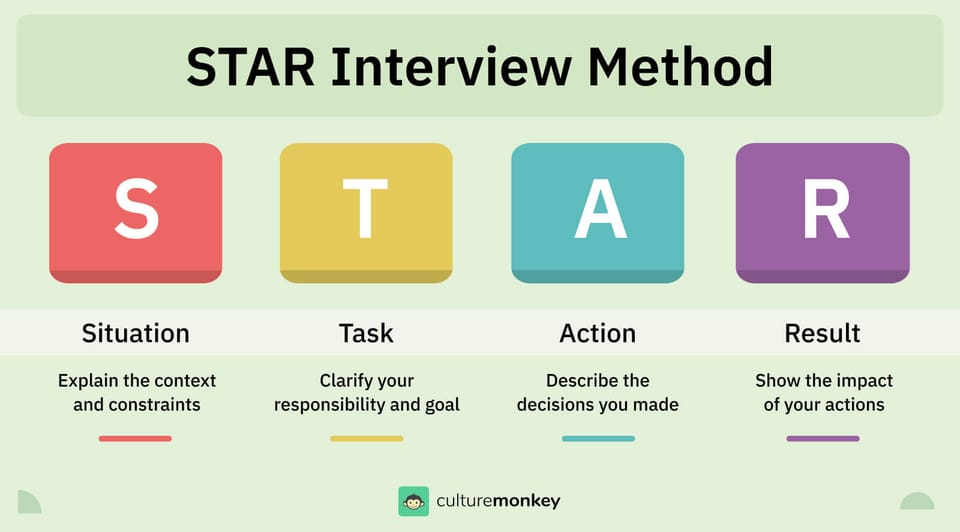
STAR method interview questions: How to answer them with real examples
STAR method interview questions are structured prompts that ask candidates to explain a situation, action, and result to assess real past behavior clearly.