
How to measure candidate experience the right way in 2026
 Roonan Lingam
28 min read
Roonan Lingam
28 min read

Remember waiting in line for your favorite roller coaster as a kid? The ride itself lasted only a few minutes, but what stayed with you was the whole journey, the wait, the music, the smiles (or lack of them) from the staff. That lead-up shaped whether you told friends it was worth it or not.
Candidate experience works the same way. It’s not about one interview or assessment but how smooth or confusing the entire hiring journey feels. In this guide, we’ll break down exactly how to measure candidate experience step by step, what to track, and how to act on it.
- Candidate experience reflects how applicants feel across every hiring stage.
- Measuring metrics highlights friction and builds consistent hiring trust.
- Surveys capture clarity, fairness, and empathy through real feedback loops.
- Common mistakes include biased samples, long surveys, and vanity metrics.
- Continuous measurement improves acceptance rates, retention, and employer brand reputation.
What is candidate experience?

Candidate experience is how people perceive your process across every step, from job ad to offer. It blends clarity, speed, fairness, and empathy into one journey that influences applications, interviews, and decisions, including scheduling and feedback loops.
It covers discovery, application experience, screening, scheduling, interviews, communication, decisions, and handoff. Every moment sends a signal, positive or negative, that shapes offer acceptance, referral potential, review sites, your employer brand across channels, and future applications.
Candidates value predictable steps, quick replies, respectful interviews, clear timelines, and honest feedback. Small wins create momentum, while gaps like silent weeks or clumsy rescheduling trigger drop offs, lower candidate nps, and negative word of mouth.
Ever wondered why two candidates walk away from the same process feeling completely different? That gap is exactly where experience lives or breaks.
Why measuring candidate experience matters in hiring
Measuring candidate experience is like tracking a sprint board where velocity, blockers, and burn down reveal whether work flows or stalls. Without that visibility you argue opinions, miss deadlines, and ship surprises. With it you spot friction, fix handoffs, compare weeks, and turn interviews into a predictable system that scales.
Measuring candidate experience uncovers friction, improves communication, and boosts offer acceptance rates.
Tracking fairness, clarity, and speed turns opinions into measurable data that helps recruiters create a smoother, more trustworthy, and efficient hiring process overall.
- More accepted offers: When communication is fast and clear, people stay engaged and say yes more often. Track response time, scheduling speed, and status updates to reduce drop offs and reneges, then link improvements to acceptance rate and pipeline health over time.
- Faster time to fill: Measured experiences reveal bottlenecks early, so teams fix forms, calendars, or decision lags before candidates bail. Watch application completion rate, interview throughput, and stage aging to tighten cycle time and forecast hiring capacity accurately with dashboards each week.
- Proof beyond opinions: Candidate experience metrics replace hunches with shared facts that unite recruiters and hiring managers. Use CSAT after interviews, post offer pulse, and NPS to align priorities, allocate budgets, and justify process changes with clear before and after comparisons.
- Stronger signal quality: A smooth journey improves candidate experience in assessment, which lifts the quality of interview feedback and work sample outcomes. Less anxiety means clearer answers and truer ability, so hiring decisions rely on skill evidence rather than stamina or guesswork.
- Lower recruiting costs: Better experiences cut paid sourcing and backfills because more candidates finish steps and accept offers. Track channel conversion, interview no shows, and reneges to prove savings, then reinvest in coaching, structured interviews, and smarter screening tools that scale.
- Fairness you can evidence: Measuring respectful communication and consistent steps reduces bias concerns and compliance risk while building trust. Use standard rubrics, shared notes, and timeline SLAs to show equity, then publish summaries that candidates and leaders can understand without jargon easily.
Now that we know why it matters, it’s time to see how those early hiring moments influence your employer brand and long-term retention.
How candidate experience impacts employer brand and retention

Candidate experience is like simple human moments. A warm greeting, thoughtful conversation, and follow up text make you feel valued, while awkward silences or late replies signal disinterest.
Hiring journeys send the same cues, shaping whether people rave about you, accept offers, or quietly walk away to competitors instead.
- Employer brand visibility: Candidate experiences echo on Glassdoor, LinkedIn, and review sites. A candidate experience survey sample highlights satisfaction scores, helping teams share data-backed stories and repair weak touchpoints before reviews damage trust and the inbound flow of new applicants and referrals.
- Retention signal: People who feel respected during hiring carry that trust into their jobs. Assessing candidates with structured interviews and fair feedback builds loyalty that reduces churn, lifts referral rates, and strengthens internal culture without expensive rehires or constant pipeline rebuilding pressure.
- Better word of mouth: Memorable processes encourage candidates to tell peers, “this company treats people right.” Those referrals compound brand reach, shrinking sourcing costs and raising overall applicant quality without added job board spending or constant recruiter cold calls clogging inboxes weekly.
- Reduced regret hires: Positive candidate experience highlights clarity in role, expectations, and culture. That alignment cuts early exits and rescinded offers while increasing post-hire engagement. Measuring with consistent surveys proves improvements and strengthens trust between recruiters, managers, and candidates before day one.
After seeing how experience affects perception and loyalty, let’s break down the concrete steps for how to measure candidate experience effectively.
How to measure candidate experience
Measuring candidate experience is like running a daily standup. Short check-ins expose blockers early and keep delivery honest, while silence hides risk. Use that approach to track each touchpoint, compare weeks, and act quickly, so small frustrations never snowball into drop-offs or bad reviews, and hiring stays predictable, with velocity improving.
To measure candidate experience effectively, track metrics like time to hire, drop-offs, and survey feedback at each stage.
Combining quantitative data with candidate insights ensures hiring stays fair, efficient, and consistently engaging across all touchpoints.
Time to fill
Time to fill tracks how long it takes from job posting to accepted offer. A shorter timeline signals efficient steps and smoother candidate experience, while delays highlight bottlenecks that hurt engagement and reduce acceptance rates.
Time to hire
Time to hire measures the days between a candidate applying and accepting the offer. Shorter cycles show good candidate experience, while delays risk disengagement. Tracking this metric helps recruiters find bottlenecks and focus on improving candidate experience effectively.
Offer acceptance rate
Offer acceptance rate reflects how many candidates say yes once an offer is extended. Low numbers suggest weak communication or unclear expectations. Using candidate satisfaction metrics here highlights whether trust was built and if the hiring process felt fair and compelling.
Application drop-off rate
Application drop-off rate measures how many candidates start but do not finish applying. A high rate signals friction in forms or unclear steps. Candidate experience survey data pinpoints problem areas, making improving candidate experience a measurable, actionable goal.
Interview-to-offer ratio
Interview-to-offer ratio tracks how many interviews it takes to extend one offer. A balanced ratio indicates strong screening, while inflated numbers waste resources. Clearer candidate feedback loops can improve alignment, reduce unnecessary steps, and strengthen overall good candidate experience consistently.
Analyze qualitative feedback
Analyzing qualitative feedback means looking at open-text survey answers, recruiter notes, and post-interview comments. These insights explain why metrics shift. Patterns in candidate feedback reveal hidden friction, guiding practical steps for improving candidate experience beyond numbers and dashboards.
Candidate Net Promoter Score (cNPS) / Candidate Satisfaction Score (CSS)
cNPS and CSS measure loyalty and satisfaction by asking if candidates would recommend your process. These candidate satisfaction metrics, captured via a candidate experience survey, spotlight strengths and weaknesses, showing if you consistently deliver good candidate experience or need improvements.
Cost to hire
Cost to hire reflects expenses linked to job ads, tools, and recruiter hours. High costs may signal inefficiencies. Measuring against candidate satisfaction metrics helps experience, ensuring candidates are not rushed or overlooked unfairly.
First-year attrition rate
First-year attrition rate measures how many new hires leave within 12 months. Elevated numbers often trace back to mismatched expectations. By linking candidate feedback with hiring steps, recruiters gain clarity on improving candidate experience and preventing early disengagement or regret.
When you’ve defined why measuring candidate experience matters, the next step is understanding how to do it right. Before diving into the specific metrics and tools, it’s crucial to establish the principles that make your measurement fair, consistent, and truly reflective of every candidate’s journey.
The key principles of measuring candidate experience fairly
Measuring candidate experience fairly is like calibrating team performance reviews. Shared criteria, time-bound checks, and transparent notes prevent bias, while ad hoc opinions create noise.
Use these principles to turn scattered impressions into repeatable signals that guide hiring decisions and drive consistent improvements across roles and locations. And keep candidates trusting your process.
- Standardize touchpoints: Define the stages, the owner, and the baseline candidate experience metrics. Measure response time, reschedules, and survey scores the same way for every role and geography, so trends reflect reality, not personal style or calendar luck.
- Measure speed and quality separately: Track time to hire and time to first response alongside candidate experience in assessment. Pair throughput with CSAT and instruction clarity, so faster does not mask weak signals, and slower does not hide respectful experiences.
- Balance numbers with stories: Combine conversion rates and stage aging with open text from a candidate experience survey. Tag candidate feedback by clarity, speed, and empathy, then map themes to fixes, so metrics explain why, not just where, journeys struggle.
- Run cohort fairness checks: Slice candidate satisfaction metrics by channel, seniority, location, and diversity. Compare response time gaps and assessment outcomes. Publish SLAs, coach interviewers, and fix scheduling debt, so fairness becomes visible, repeatable, and trust grows with hiring cycles.
- Minimize measurement friction: Use short surveys, clear scales, and mobile-friendly forms. Ask once per stage, not daily. Rotate questions, personalize timing, and explain why feedback matters, so response rates stay high and improving candidate experience does not exhaust people.
- Close the loop visibly: Share changes and timelines. Announce fixes to forms, scheduling, and feedback promises. Showing action improves survey response, signals good candidate experience, and turns passive observers into advocates who keep improving candidate experience with practical ideas.
- Respect privacy and context: Collect only necessary data, anonymize comments where possible, and protect identities in reports. Give opt out choices and retention windows. Trust grows when candidates know their feedback powers improvements without risking exposure or unwanted follow-ups.
Once you’ve learned to measure candidate experience without bias, the next step is applying that data to continuously improve the journey.
How to improve candidate experience

Improving candidate experience is like shipping a release with a clear runbook. When steps are explicit, owners aligned, and feedback loops short, bugs vanish fast.
Apply that mindset to every touchpoint, so candidates feel guided, timelines stay honest, and your hiring system builds momentum rather than friction across sprints and headcount plans.
- Set clear timelines and owners: Publish response time SLAs for each stage and show candidates the next step. Assign owners in your ATS and monitor breaches. Visible deadlines improve trust, lift conversion, and anchor your candidate experience metrics to actions rather than hopes.
- Simplify the application: Cut unnecessary fields and enable autofill, file pickers, and mobile first layouts. Share estimated completion time and save progress. Lower friction reduces drop offs and improves candidate feedback, which signals good candidate experience before interviews even begin consistently.
- Speed up scheduling: Offer calendar links with time zone awareness, buffers, and smart reminders. Let candidates reschedule once without friction. Fast scheduling increases show rates and reduces anxiety, which lifts interview performance and contributes to improving candidate experience across varied roles.
- Prepare interviewers with structured scorecards: Share questions, rubrics, and calibration notes before the call. Assessing candidates with consistent criteria reduces bias and confusion. Clear expectations help candidates share evidence, while interviewers record useful signals, improving candidate experience in assessment and strengthening final hiring decisions.
- Communicate after every milestone: Send a short message after applying, screen, interview, and decision. State where they stand and what happens next. Predictable updates reduce uncertainty, improve candidate satisfaction metrics, and turn quiet periods into trust builders rather than rumor factories for candidates.
- Shorten and clarify assessments: Limit length, explain scoring, and provide a practice brief. Share timelines and response windows. When candidates know the goalposts, completion rises and stress falls, creating good candidate experience and truer signals that help teams compare results fairly across levels.
- Collect pulse and close the loop: Use a candidate experience survey sample with cNPS and CSS after key stages. Tag themes like clarity, speed, and empathy. Publish changes and dates, so candidates see progress, respond often, and your improving candidate experience strategy stays credible and measurable.
- Humanize offers and declines: Deliver offers with clear compensation ranges, start dates, and next steps. Share decline feedback respectfully and encourage future applications. Thoughtful endings protect your brand, convert near matches into referrals, and keep doors open, which strengthens good candidate experience over time.
- Measure and iterate weekly: Review dashboards for time to hire, drop offs, reschedules, and survey scores. Hold a short retro and pick two changes. Small experiments compound into reliable wins, proving improving candidate experience is a system, not a project with a finish line.
After setting up systems to improve the hiring journey, let’s uncover how surveys help capture authentic, actionable feedback straight from candidates themselves.
Using candidate surveys to capture real feedback

Great retros run on fast feedback, and hiring is no different. A survey is like a sprint review for candidates, short loops reveal wins and blockers before they harden. When you ask at the right moments, you capture memory while it stays fresh, then act, measure, and improve steadily with clear owners and timelines.
- Ask at the right moments: Trigger a candidate experience survey after applying, interview, and decision. Keep it short and mobile friendly. Timely tasks capture fresh memory, improve response rates, and turn candidate feedback into specific fixes rather than vague impressions.
- Design questions that matter: Use clear scales and plain language. Mix cNPS, CSS, and a few open questions inviting examples. Tie questions to decisions, so candidate satisfaction metrics drive changes rather than dashboards that decorate slides without improving candidate experience.
- Protect anonymity and trust: Guarantee anonymity and explain how data is stored. Trust raises response rates and candor. Summarize patterns rather than quotes, then share actions, so candidate feedback feels safe and useful, not risky noise that disappears later.
- Optimize for completion: Design for mobile, two minutes max, with a progress bar. Use skip logic to respect time. Include a candidate experience survey sample in the invite, so expectations are clear and completion rises without nagging reminders.
- Segment and compare cohorts: Break results by role, seniority, location, and channel. Compare response time, clarity, and fairness across cohorts. Consistency becomes visible, while gaps surface faster, so you fix root issues and protect a good candidate experience across groups.
- Connect scores to behavior: Link results to actions like scheduling speed, preparation, and decision clarity. Correlate comments with candidate experience metrics to explain spikes. When behaviors improve, surveys improve, and the loop reinforces with gains rather than campaigns that fade.
- Automate and personalize timing: Send through your ATS with stage based triggers and time zone awareness. Personalize greetings referencing the last step. Automation reduces manual work, increases consistency, and personal touches lift response rates while keeping feedback timely and actionable.
- Close the loop and show wins: Publish what changed, when it changed, and the result. Share quick dashboards during hiring syncs. Visibility motivates responses, sustains improving candidate experience, and turns observers into contributors who suggest ideas and celebrate fewer drop-offs.
Now that we’ve explored the value of collecting feedback, it’s time to see how NPS turns those responses into measurable advocacy.
Net Promoter Score (NPS) and how it applies to candidate experience
Using NPS in hiring is like running a quick pulse after a sprint demo. One question reveals whether the story landed, then comments explain why. Apply that rhythm to candidates, so you capture advocacy early, tag themes, compare cohorts over time, and turn small fixes into steady reputation gains across roles.
- Ask the right question: Ask candidates how likely they are to recommend your hiring process to a friend on a 0 to 10 scale. Add one why question. Keep it short and mobile friendly to boost response and candor.
- Calculate the score: Classify 9–10 as promoters, 7–8 as passives, and 0–6 as detractors. Subtract detractor percentage from promoter percentage to get candidate NPS. Track alongside CSAT and effort to avoid tunnel vision and to explain sudden swings.
- Read the signal in context: A high score cannot hide slow replies or confusing assessments. Pair NPS with stage metrics like scheduling speed, drop offs, and interview throughput. Use comments to confirm whether fixes reduced friction or moved it elsewhere.
- Segment by cohort: Break NPS by role, level, location, source, and recruiter. Compare response time gaps and assessment clarity. Consistency shows fairness, while gaps guide coaching, training, or tooling changes that improve experience without masking issues behind headline numbers.
- Turn comments into fixes: Tag themes like clarity, speed, empathy, and assessment length. Prioritize frequent barriers that drive detractors. Attach owners and deadlines. Publish what changed and when, so candidates see progress and the next survey earns response and trust.
- Link to outcomes: Correlate NPS with acceptance rate, drop offs, and time to hire. Improvements should match operational gains, not just nicer surveys. When experience gets faster and clearer, promoters rise and costs fall, proving priorities to skeptical stakeholders.
- Pair with CSAT and effort: NPS captures advocacy, while CSAT captures feeling about a step and effort captures difficulty. Use all three to diagnose issues precisely, prevent false positives, and guide teams toward fixes that candidates notice quickly.
- Choose smart timing: Ask immediately after interviews and again at offer or decline. Avoid spamming during waiting periods. Time zone aware triggers and short forms increase completion and candor, giving cleaner trend lines and fewer blind spots across quarters.
Now that you understand why NPS matters, let’s go step-by-step through how to calculate your candidate Net Promoter Score for real benchmarking.
How to calculate your candidate Net Promoter Score (cNPS)?
Calculating cNPS is like reconciling month-end books. One clean formula reveals whether value was created or lost, while notes explain the variance.
Use that discipline with candidates, because consistent questions, clear categories, and segmented reporting turn scattered opinions into a trendline you can manage, improve, and share confidently over time.
- Ask the core question: Ask how likely candidates are to recommend your hiring process to a friend on a 0 to 10 scale. Send a short, mobile friendly candidate experience survey to raise completion and candor without nagging reminders.
- Categorize responses: Mark 9 to 10 as promoters, 7 to 8 as passives, and 0 to 6 as detractors. Keep definitions consistent across teams and locations, so comparisons remain clean and your candidate satisfaction metrics tell a reliable story.
- Compute the score: Subtract the percentage of detractors from the percentage of promoters to get cNPS. For example, 55 percent promoters minus 20% detractors equals 35. Track the score monthly and by role to spot momentum or risk.
- Segment the result: Break cNPS by source, recruiter, role, level, location, and stage. Compare response time, scheduling speed, and assessment clarity. Segmentation consistently shows patterns and where to coach, improve tools, or redesign steps that quietly create detractors.
- Pair with supporting metrics: Combine cNPS with CSAT per stage and an effort score. Add operational measures like time to hire, reschedules, and drop-offs. These together explain why scores move and where improving candidate experience will pay off fastest.
- Turn comments into actions: Tag candidate feedback by clarity, speed, empathy, and assessment length. Prioritize frequent blockers. Shareholders and deadlines in hiring sync. Publish changes, then ask the next candidate experience survey to confirm if pthe roblems actually disappeared.
Once you’ve calculated cNPS, it’s time to dig deeper into interview feedback—where context, clarity, and candidate empathy truly surface.
Measuring candidate satisfaction through interview feedback

Interview feedback is like a code review for your hiring sprint, turning opinions into actionable pull requests. Short, focused checks catch usability bugs before they hurt trust. Run the debrief while memories are fresh, then turn patterns into fixes, so candidates feel guided and your process gets faster without surprises.
Interview feedback captures how candidates perceive fairness, empathy, and preparedness.
Analyzing post-interview surveys helps identify improvement areas, coach interviewers, and strengthen overall candidate satisfaction, leading to higher engagement and better hiring outcomes over time.
- Run a post interview pulse: Send a two-question survey 24 hours after, asking CSAT and one why comment. Keep it mobile first and anonymous. Fresh responses reveal friction early and give recruiters fixes before impressions fade or reviews post.
- Score interviewer preparedness: Share agenda, role context, and scorecards before the call. Ask candidates afterwards whether interviewers were prepared and respectful. Use this candidate experience evaluation to coach, reinforce habits, and stop repeated confusion that harms confidence, performance, and acceptance.
- Assess clarity and fairness of questions: Rate clarity and depth against role expectations. Ask candidates if the questions matched the job and felt consistent. Measuring candidate experience best practices avoids trivia, keeps signals clean, and prevents stress games exhausting strong applicants.
- Check logistics and accessibility: Ask if links worked, time zones were respected, and the environment was distraction-free. Note reschedules, late starts, or panel changes. These basics drive satisfaction and shape candidate experience evaluation more than clever questions or glossy pages.
- Coach for listening and empathy: Ask candidates whether interviewers listened, explained next steps, and left time for questions. Rate tone, interruptions, and empathy. Coaching these patterns improves conversations and is an easy measuring candidate experience best practice rolled out across teams.
- Close the loop visibly: Summarize interview themes in a short note and share what will change. Publish SLAs on response time and reschedules. Visible follow through turns critics into advocates and steadily improves scores without discounts masking poor experiences.
After analyzing interview feedback, let’s explore why surveying candidates at each stage gives a truer, more actionable view of the entire journey.
Surveying candidates at each stage of the journey

Surveying candidates at each stage is like quality checks on a production line. Quick inspections catch flaws before they travel downstream and get expensive. Ask short, timely questions after key moments, then turn patterns into clear fixes, so satisfaction rises and your process keeps moving without nasty surprises across roles.
- Application stage pulse: Ask a one-minute pulse on clarity, time, and mobile ease. Measure completion time and effort. Tag comments about confusing fields or login walls. Fast fixes cut drop-offs and build trust in candidate experience survey programs.
- Screening check in: After the screen, ask two questions on clarity and respect. Track time to first response and scheduling ease. Invite one comment on expectations. This quick candidate feedback surfaces misalignment early and guides scripts and recruiter coaching.
- Interview debrief pulse: Post interview, pulse on interviewer preparedness, fairness, and time for questions. Add CSAT and effort. Tag themes like interruptions or unclear tasks. These candidate satisfaction metrics show coaching needs and whether changes improve conversations and reduce anxiety.
- Assessment health check: During assessments, ask about instructions, length, and fairness. Track completion rate and dropout points. Invite examples of confusing prompts. Pair comments with timestamps. Iterating here cuts waste, improves signal quality, and strengthens candidate experience in assessment.
- Offer moment pulse: At offer, ask if compensation, role scope, and timelines were clear. Collect cNPS and one reason. Track reneges. Insights expose missing details or slow approvals that lower acceptance and dent trust when candidates weigh options.
- Decline and rejection pulse: When candidates decline or are rejected, send a short survey. Offer reasons plus one comment. Respect timing. Insights highlight misaligned expectations and slow steps, setting priorities for improving candidate experience without heavy tools or big budgets.
- Pre start handoff pulse: After signing, run a pre-start pulse on clarity of next steps, paperwork, and tools. Track response time and ownership. Clear handoff reduces anxiety, keeps promoters engaged, and turns candidate satisfaction into momentum through notice periods.
- Weekly synthesis and action: Weekly, review stage surveys alongside candidate experience metrics like response time and drop offs. Tag themes, assign owners, and set deadlines. Publish what changed. Consistent loops raise response rates and turn small findings into durable fixes.
Now that we’ve learned when and how to survey, let’s look at the common mistakes that can quietly derail your candidate experience data.
Common mistakes companies make when measuring candidate experience

Measuring candidate experience is like running a quarterly business review on your hiring funnel. If you scan glossy slides, you miss operational gaps. When you inspect inputs and outcomes together, you spot friction early, prioritize fixes, and protect brand trust while your team scales confidently. Consistent measurement keeps leaders aligned and candidates informed.
- Sampling only acceptances: Asking only new hires or finalists skews results upward. Include declined and rejected candidates to reduce bias. Trigger short pulses at key stages, not just post-offers, so your candidate experience metrics reflect reality rather than survivor stories.
- Overstuffed surveys: Ten-minute forms crush completion and candor. Use two-minute mobile pulses with clear scales and one why box. Rotate questions by stage, limit asks to once per milestone, and watch response rates rise alongside cleaner, more actionable candidate feedback trends.
- Chasing speed alone: Celebrating faster time to hire while interviews confuse candidates hides risk. Pair throughput with quality signals like CSAT, effort, and preparation ratings. Otherwise, faster pipelines produce weaker signals, lower acceptance, and noisier decisions that erode trust and brand quickly.
- Ignoring cohort differences: A single average hides gaps across role, seniority, location, and source. Segment candidate satisfaction metrics and response times. Patterns reveal coaching needs and tooling fixes, while outliers show unfair experiences that hurt equity goals and damage reputation quietly.
- Changing questions midstream: Swapping scales or wording each quarter breaks trendlines. Standardize the candidate experience survey, keep anchors stable, and document revisions. Without consistency, your comparisons mislead leaders and stall improvements because nobody trusts the numbers enough to fund changes next year.
- Tracking vanity numbers: Reporting dashboards without outcomes persuades no one. Link scores to acceptance rate, drop-offs, and cost to hire. When experience improves, show matching gains, or adjust priorities fast. Leaders back changes when results and budgets move together visibly.
- Not closing the loop: Asking for feedback without visible fixes kills trust. Publish what changed and who owns the next step. Share timelines and early wins, then recheck scores. Participation rises when candidates see improvements rather than surveys disappearing into silence later.
- Ignoring privacy expectations: Collecting names with comments or storing data too long chills honesty. Offer anonymity, limit retention, and restrict access. Explain safeguards in plain language, so candor improves and candidate feedback becomes reliable enough to guide decisions without legal headaches.
“Isn’t candidate experience just a nice-to-have HR gesture?”
It’s a common misconception that candidate experience is merely about being polite during hiring. In truth, it’s one of the strongest predictors of talent attraction and offer acceptance. A seamless, transparent, and respectful hiring process signals how your company treats its people—long before day one.
Recent data from Select Software Reviews shows that 66% of candidates accepted a job because of a positive experience, while nearly half declined offers due to poor communication or disorganization.
The takeaway? Candidate experience isn’t just about courtesy—it’s a business advantage that directly impacts employer reputation, conversion rates, and long-term talent retention.
How does Hummer AI help organizations measure and improve candidate experience?
Improving candidate experience is like running on call with real observability, without signals you guess and escalate while small issues become outages. With Hummer AI, you see causes and results by stage, act quickly, coach teams, and turn every interaction into momentum rather than churn. Here is how that works in practice.
- End to end journey analytics: Hummer AI maps touchpoints from first click to offer, tracking response time, scheduling speed, drop-offs, and stage conversion. Real time alerts expose bottlenecks, so owners fix issues fast, and candidate experience metrics improve weekly.
- AI powered qualitative analysis: Hummer AI clusters candidate feedback into themes like clarity, speed, empathy, and assessment length. It links comments to stages and suggests playbook fixes, so teams move from anecdotes to focused improvements candidates notice quickly.
- Assessment experience audits: Review instructions, test length, accessibility, and feedback speed. Track completion rate and dropout points, compare by role and location. Hummer AI recommends trims and clearer rubrics, improving assessment experience while preserving signal quality for decisions.
- Fairness and cohort checks: Slice results by source, seniority, location, and diversity. Flag response time gaps, reschedules, and outcomes. Publish SLAs and coaching nudges. Hummer AI builds evidence that protects brand trust and proves consistent, fair hiring across groups.
- Interviewer readiness and scorecards: Deliver structured rubrics, question banks, and role context automatically. Nudges before calls improve preparedness and listening. Consistent capture elevates signal quality, reduces anxiety, and strengthens candidate satisfaction metrics without extending interview length or adding confusing steps.
- Close the loop and report impact: Publish what changed, owners, and dates. Share dashboards linking experience metrics to acceptance rate, time to fill, and cost to hire. Slack-friendly summaries keep leaders engaged while teams sustain improvements week after week.
Conclusion
Measuring candidate experience is no longer a nice-to-have; it is a competitive advantage. Every interaction, from the first job ad to the final offer, shapes how people perceive your organization. A smooth and respectful journey builds trust, increases acceptance rates, reduces drop-offs, and strengthens long-term retention. On the other hand, inconsistent communication or confusing assessments can quickly damage reputation and discourage top talent from applying again.
This is why organizations need structured ways to track, analyze, and act on candidate experience metrics. Hummer AI makes that possible by combining automated surveys, real-time analytics, and AI-powered feedback analysis into one system.
It reveals bottlenecks, uncovers hidden themes, and provides actionable insights that teams can implement immediately. By using Hummer AI, companies not only measure candidates fairly but also continuously improve it, ensuring hiring becomes both efficient and human-centred.
FAQs
1. What is the most effective way to determine a candidate's experience and level of interest?
The most effective way to determine candidate experience and interest is through candidate surveys, structured interview feedback, and data-driven metrics like time to hire and engagement rate. Job seekers demonstrate genuine interest when they remain responsive, complete every candidate stage on time, and show enthusiasm in communication, reflecting motivation, clarity, and a consistent desire to join the organization.
2. What is a good candidate experience score?
A strong candidate experience score reflects that job seekers felt respected, informed, and supported during every hiring stage. Data from candidate experience surveys show whether communication, clarity in job descriptions, and hiring manager interactions created positive impressions or fell short. Scores above benchmark averages indicate strong employer branding, engagement, and trust across your recruitment process.
3. How to measure candidate experience in internal recruiting?
To measure internal candidate experience, survey employees applying for new roles about fairness, transparency, and communication clarity. Compare these results to external applicants to identify consistency across processes. Regularly collecting internal candidate feedback ensures equitable hiring, improves retention, and highlights areas where your internal mobility strategy can better support employees seeking growth within the organization.
4. Which metrics help track candidate experience effectively?
Key metrics to track include application drop-off rate, offer acceptance rate, interview-to-offer ratio, and overall candidate satisfaction. These numbers show whether applicants experienced clarity, fairness, and engagement. Analyzing this data helps HR teams identify friction points, optimize touchpoints, and continuously improve recruitment quality and brand reputation through more consistent, positive candidate experiences.
5. How do candidate surveys improve the measurement process?
Candidate surveys enhance measurement by capturing real-time insights from job seekers about clarity in job posts, interview fairness, and recruiter communication. This feedback helps refine hiring strategies, highlight process gaps, and strengthen employer reputation. Surveys also ensure decisions are based on evidence, not assumptions, resulting in more transparent and data-driven recruitment practices overall.
6. How can interview feedback be turned into actionable insights?
Interview feedback reveals how candidates perceive fairness, empathy, and interviewer clarity. Analyzing patterns helps identify improvement areas, enabling recruiters to adjust training and processes. Turning these insights into action improves consistency, candidate experience, and hiring quality while ensuring the interview process remains structured, equitable, and aligned with your organization’s hiring standards.
7. How do you measure the success of your recruitment efforts, and what metrics do you use?
Recruitment success is measured through candidate experience scores, offer acceptance rates, cost-to-hire, and first-year retention. These metrics show whether the process attracts the right talent, converts applicants efficiently, and retains employees long-term. Tracking them helps identify strengths, fix bottlenecks, and align recruitment performance with organizational growth and employee satisfaction goals.
8. What role does communication play in candidate experience measurement?
Communication directly shapes candidate perception and experience throughout the hiring journey. Clear, timely, and transparent updates prevent uncertainty, reduce drop-offs, and enhance trust. Every touchpoint—from initial outreach to final decision—serves as a signal of organizational culture, influencing how job seekers evaluate professionalism, responsiveness, and the employer brand’s authenticity.
9. Can I ask rejected candidates for feedback?
Yes, absolutely. Requesting feedback from rejected candidates through short, structured surveys provides valuable insights into how they perceived communication, fairness, and interview flow. Their honest input reveals improvement areas and strengthens your hiring reputation. Following up respectfully also demonstrates transparency and keeps high-potential candidates open to future opportunities with your organization.
More from HummerAI Blog

Recruitment dashboard guide: what to track and why it matters
A recruitment dashboard is a centralized view of hiring activity that shows role status, candidate progress, bottlenecks, and key metrics, helping teams track what’s moving, what’s stalled, and where decisions are needed across the hiring process.
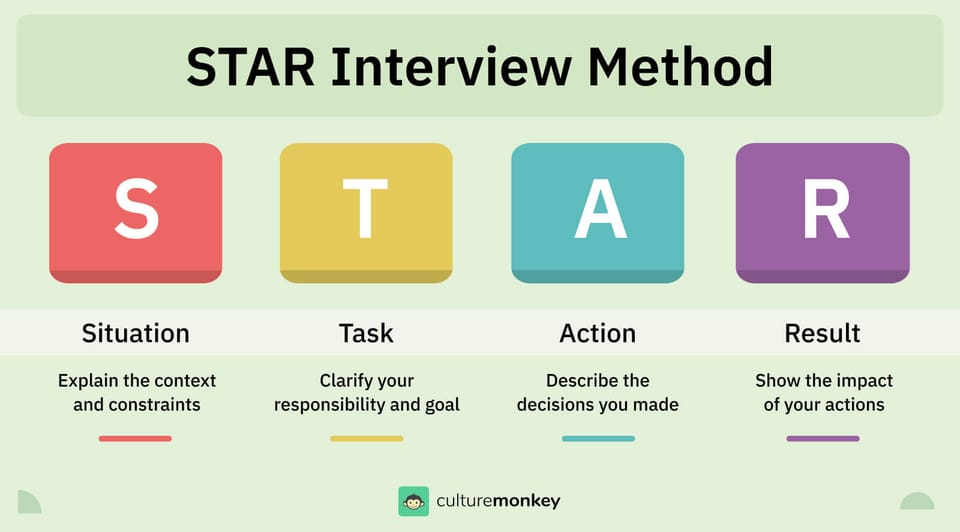
STAR method interview questions: How to answer them with real examples
STAR method interview questions are structured prompts that ask candidates to explain a situation, action, and result to assess real past behavior clearly.