
How to interview a candidate, step-by-step guide: Fast, fair, repeatable
 Roonan Lingam
27 min read
Roonan Lingam
27 min read

Remember your first time learning to ride a bicycle? You probably wobbled, lost balance, and maybe even scraped a knee. But once you found your rhythm, pedaling and steering felt natural and effortless. That moment of control changed everything — practice turned uncertainty into smooth motion.
Interviewing a candidate works the same way. At first, it feels unpredictable and instinct-driven, but with the right step-by-step rhythm, it becomes fast, fair, and repeatable. Too many hiring managers still rely on gut feeling. This guide will show you how to build a structured interview process that’s consistent, confident, and easy to master.
- Structured interviews make hiring faster, fairer, and more consistent.
- Asking the same questions ensures unbiased comparisons across candidates.
- AI tools help summarize notes, detect bias, and refine decisions.
- Candidate experience improves through clarity, transparency, and respectful follow ups.
- Balanced culture fit and culture add strengthen long-term hiring.
How to interview a candidate the fast fair repeatable way

Interviewing a candidate is like hosting a well-planned dinner. When you follow a recipe you know every step flows smoothly and the outcome is predictable. Skip the recipe and you end up improvising with mismatched flavors and missed timings. A structured process ensures interviews are efficient, balanced and consistent every time.
Start with clear goals, define what you want from the role and align questions to those outcomes. When interviewers know what signals to look for they focus better, save time and make decisions without second guessing. Use a consistent framework. Apply the same steps across all interviews so every candidate faces the same structure.
This fairness makes comparisons easier, strengthens confidence in choices and helps eliminate bias from creeping into the evaluation. Ask practical questions. Go beyond theory and encourage candidates to explain how they solved problems in real scenarios. This result driven approach shows you how their skills translate into action rather than polished rehearsed answers.
Take structured notes. Record candidate responses in a simple repeatable format that captures details for later review. Notes minimize bias, make evaluations reliable and ensure no useful signal slips through the cracks during decision making. Debrief with the team. Discuss impressions after every interview instead of leaving them unspoken. Group conversations balance perspectives, surface hidden insights and give hiring managers stronger confidence in extending offers to the right candidates.
Once you’ve built a fast, fair, and repeatable interview framework, the next question is, why does it matter? Understanding the real benefits of interviewing candidates helps you see how structured hiring translates into smarter decisions and stronger teams.
What are the benefits of interviewing candidates?
Interviewing candidates is like test driving a car. You can read every brochure and check every feature online but nothing compares to sitting behind the wheel. The drive reveals details you cannot spot on paper. That is exactly what interviewing candidates for employment does before making a lasting choice.
Interviews reveal real-world skills, motivations, and communication styles that resumes can’t show.
They help gauge cultural fit, reduce hiring risks, and provide firsthand insights that strengthen decision-making and long-term team alignment.
- Reveal real skills: A candidate interview uncovers how someone applies knowledge in real life. Resumes show potential but interviews show capability through conversation problem solving and quick thinking in context.
- Understand motivation: Interviewing candidates gives insight into what drives them. You learn whether their goals align with the role and if they are genuinely excited about the opportunity presented.
- Spot communication style: Interviewing candidates for employment shows how clearly someone explains ideas. Good communication is vital in every role and interviews highlight if they can collaborate effectively with a team.
- Check cultural fit: A candidate interview goes beyond technical skills. It shows whether a person can thrive in your work environment and handle challenges with the right attitude and values.
- Reduce hiring risks: Interviewing candidates helps you make informed choices. By validating skills and expectations in person you avoid surprises later and ensure stronger decisions with long term impact.
Knowing the benefits is only half the story. To truly put them into action, you need a clear framework. Let’s break down the best way to interview a candidate through a simple, step-by-step guide that delivers consistent, fair results.
The best way to interview a candidate: a step-by-step guide

Interviewing candidates is like shipping a major release. When discovery, planning, and QA are tight, launch goes smooth and issues are rare. Skip steps and bugs appear later. This guide shows how to interview a candidate with a clear, testable flow, so every candidate interview runs fast, fair, and repeatable.
Create a great job description
Write a clear role scorecard with outcomes, must-have skills, and deal-breakers. Use everyday language and avoid fluff. A sharp description anchors interviewing candidates for employment, aligns stakeholders, narrows noise, and guides how to interview a candidate with consistent signals.
Study the resume
Scan for outcomes, scope, and growth, not only titles. Highlight evidence you want to probe, plus any gaps or leaps worth validating. This prep speeds the candidate interview, sharpens your questions, and enables reliable, apples-to-apples signal comparisons later.
Study the candidate
Review public work, talks, and writing to learn context. Note accomplishments that link to your outcomes and any potential concerns. This homework makes interviewing candidates precise and respectful, and helps you test fit without wasting time on basics.
Create an interview script
Draft a simple run-of-show with timings, topics, and must-ask questions. Include introductions, deep dives, stretch prompts, and wrap-up sections. A script keeps the flow tight, reduces bias drift, and makes interviewing candidates repeatable across teams and roles today.
Create interview questions
Write scenario questions that map to outcomes and core competencies. Use follow-ups that start with when, how, and what to surface evidence. Good questions anchor how to interview a candidate with consistent, testable signals instead of risky guesswork.
Determine the interview format
Choose the right format for the role and signals you need. Structured conversation, practical task, or panel can be valid. Declare the format upfront so interviewing candidates for employment feels transparent, predictable, and free from unpleasant surprises later.
Create a relaxed interview setting
Remove distractions, test audio and video, and set a calm pace. Offer water and a quick tech check if virtual. A thoughtful setting lowers nerves, improves answers, and makes the candidate interview a more balanced, reliable signal-gathering session overall.
Start the interview on time
Be punctual and prepared. Starting on time shows respect, reduces stress, and establishes trust immediately. It also keeps your schedule intact, avoids rushed endings, and signals that interviewing candidates is a serious, well-run process with clear, professional standards.
Introduce yourself
Share your name, role, and how you work with the open position. Set a friendly tone and explain your plan for the conversation. A simple introduction humanizes interviewing candidates and helps candidates relax and focus on relevant signals.
Explain the interview process
Preview the agenda, timing, and topics you will cover. Mention evaluation criteria and next steps, plus any practical exercise. Clarity reduces anxiety, speeds stronger answers, and makes interviewing candidates for employment feel transparent and fair from the first minute.
Make the candidate comfortable
Warm up with a simple opener and confirm audio, camera, and pace. Invite clarification and pause for water or notes when needed. Comfort improves candor, which improves signal quality, which improves interviewing candidates outcomes across sessions and stages.
Ask the right questions
Lead with result-first scenarios, then drill into actions and reasoning. Use when, how, and what to uncover decisions, trade-offs, and lessons. Good questions make how to interview a candidate measurable, repeatable, and fair across interviewers and candidates consistently.
Tell me about what motivates you
Explore intrinsic drivers and preferred challenges. Connect motivation to the role’s outcomes and daily realities without hype. This conversation helps interviewing candidates surface engagement patterns and flags misalignment early, before costly offers or onboarding detours happen later on.
Describe your dream job
Listen for themes like autonomy, collaboration, pace, and impact. Map those themes to the role’s reality and growth paths honestly. Answers guide interviewing candidates toward genuine fit while revealing deal-breakers you should address before moving forward confidently together.
Ask about their short-term roles
Short tenures can hide valid reasons or unhealthy patterns. Ask what changed, what they learned, and what they would do differently next time. This helps how to interview a candidate with balanced context rather than quick assumptions or bias.
Discuss salary
Share the compensation range, benefits, and leveling approach transparently. Ask for expectations rather than history, and explain how offers are structured. Clear salary conversations reduce churn, speed decisions, and keep interviewing candidates aligned with budget and fairness principles.
Consider body language
Watch for clarity, pace, and presence rather than performance theater. Note how candidates listen, pause, and structure thoughts under light pressure. Body language can add context, but keep evaluation anchored to evidence in the candidate interview, not charisma alone.
Take notes
Use a simple scorecard and write verbatim snippets where useful. Separate observations from judgments to reduce bias and error. Good notes make interviewing candidates repeatable and enable side-by-side comparisons without relying on memory or common post-interview recency effects.
Listen
Let candidates finish and hold silence for deeper thoughts. Paraphrase to confirm understanding and ask a focused follow-up promptly. Active listening improves interviewing candidates by revealing nuance, reducing misreads, and building trust that encourages more authentic examples and specifics.
Allow candidates to ask questions
Invite questions midway and at the end. Great questions reveal priorities, diligence, and how candidates decide under constraints. This two-way rhythm turns interviewing candidates into a transparent conversation rather than an interrogation, and helps you evaluate mutual fit honestly.
Consider what they may ask you
Anticipate questions about scope, success measures, team practices, and growth. Prepare honest, concrete answers and relevant examples. Being ready here makes the candidate interview smoother and signals that you respect their decision process as much as your own.
Answer some questions
Answer clearly and concisely, and share specifics when possible. If you do not know, promise a follow-up and deliver promptly. Straight answers make interviewing candidates credible and help candidates picture the realities they would experience day to day.
Describe next steps
End with timeline, decision owners, and any further assessments. Explain how feedback is shared and when to expect updates realistically. Clear next steps make a candidate interview feel respectful and reduce follow-up messages while improving acceptance rates later across roles.
Current salary or salary history
Avoid asking for current salary or history where restricted by law. Discuss expectations and ranges instead, anchored to leveling and market data. This approach keeps interviewing candidates compliant, equitable, and focused on value creation rather than past compensation.
Now that you know the process, the next step is mastering the questions that bring out real insights. Here are 10 strategic interview questions to ask candidates that reveal skills, mindset, and cultural fit beyond what a résumé can show.
10 Strategic interview questions to ask candidates

Picking interview questions is like writing a product roadmap. If you choose vague themes, teams wander. Choose sharp outcomes, and everyone ships value faster. Use these prompts to turn a candidate interview into clear signals when interviewing candidates for employment, and to master how to interview a candidate with confidence.
- Outcome-first opener: What result are you proud of from last year, and why. This grounds the candidate interview in impact, helps when interviewing candidates for employment, and shows how they choose goals, define success, and communicate outcomes.
- Recent win deep dive: Walk me through a recent win from problem to result. Which options did you reject, and why. This reveals decision quality, trade-offs, and execution speed when interviewing candidates, not just headlines under real constraints.
- Failure and learning loop: Describe a meaningful miss. What happened, what did you change, and what improved next time. This tests accountability, reflection, and adaptability, which matter when you consider how to interview a candidate for long-term growth.
- Decision-making under ambiguity: Tell me about a time you acted with partial information. How did you reduce risk and move forward? This question surfaces judgment, bias toward action, and how interviewing candidates can reveal pattern recognition beyond process.
- Prioritization and trade-offs: With two urgent tasks, how did you choose? What criteria guided you. This uncovers values, strategy, and time management, helping the candidate interview highlight mature thinking rather than busywork or reactive decision patterns in real work.
- Collaboration across functions: Share a project where success depended on another team. How did you align goals, resolve conflict, and keep momentum. This reveals communication habits and reliability, which matter when interviewing candidates for employment in complex, cross-functional environments.
- Customer impact and metrics: What metric did you move most, and how did you measure it. Connect actions to customer value and business results. This clarifies ownership and helps how to interview a candidate with data, not narrative alone.
- Handling conflict constructively: Describe a disagreement that mattered. What did you try first, what worked, and what failed. This probes emotional control and collaboration under pressure, which interviewing candidates often exposes better than polished presentations or scripted success stories.
- Learning and upskilling cadence: What new skill did you teach yourself recently, and why. How did it change your work? This shows curiosity and momentum, giving the candidate interview concrete evidence of growth potential rather than vague ambition.
- First 90 days plan: If you joined tomorrow, where would you start? Which signals would you gather, and which quick wins would you chase. This makes interviewing candidates practical and reveals planning discipline, focus, and realistic delivery instincts.
Asking the right questions is crucial, but so is spotting what’s left unsaid. Once you’ve gathered strong signals, it’s time to look for warning signs. Here’s how to identify red flags that can quietly derail great hiring decisions.
What are red flags to watch out for during interviews?

Spotting red flags is like reading a project postmortem before kickoff. The patterns are familiar, small misses predict bigger risks, and easy charm hides gaps. Use this checklist to guide how to conduct an interview that is steady, signal rich, and fair across job interviews. It paves the way for sharper questions and better decisions.
- Inflated achievements: Outcomes sound grand but lack numbers or names. Ask interview questions to ask a candidate that dig into when, what, and how. If results stay fuzzy after follow ups, you are likely hearing rehearsed stories rather than real impact.
- Blame without ownership: They describe failures as someone else’s fault. Probe decisions they controlled and lessons learned. When ownership vanishes under pressure, conducting an interview reveals risk tolerance that is low and growth mindset that is thin, which predicts fragile execution later.
- Answering without answering: Long stories dodge the question and skip details. Redirect with time frame, scope, and result prompts. If answers never land on specifics, how to conduct an interview becomes harder and the signal suggests weak problem solving under real constraints.
- Inconsistent timeline: Dates shift, scope changes mid story, or titles leap without explanation. Use gentle follow ups to reconstruct sequences. Repeated inconsistencies during job interviews hint at resume polishing and create doubt about judgment, reliability, and truth in high stakes moments.
- Negative talk about teams: They criticize colleagues with sweeping claims and no evidence. Ask for personal role, data, and what they tried. Persistent negativity in a candidate interview often masks conflict habits, low empathy, and poor collaboration that will strain cross functional work.
- No questions for you: End of interview arrives and they have nothing to ask. Strong candidates test scope, metrics, and success paths. Lack of curiosity during conducting an interview predicts shallow due diligence and weak planning, which leads to mismatched expectations and churn.
- Defensive under follow ups: Simple clarifiers trigger agitation or sarcasm. Stay calm and ask for steps, options, and outcomes. In job interviews this defensiveness blocks learning and collaboration, and signals rough feedback loops that slow growth and create avoidable friction with partners.
- Buzzwords without substance: They stack jargon and trend phrases without proof. Ask for the document, dashboard, or artifact behind the claim. If artifacts never appear, interviewing candidates for employment becomes guesswork and the risk of mis-hire rises with every unanswered detail.
Catching red flags helps you avoid risky hires, but the real test comes after the conversation ends. Once interviews wrap up, how you score candidates determines fairness and accuracy. So, should evaluations happen immediately or after thoughtful reflection? Let’s explore.
Should you score candidates immediately or after reflection?
Scoring interviews is like baking bread on a schedule. Pull it too soon and the center collapses. Wait too long and freshness fades. The best approach blends speed with reflection, so you capture crisp details then confirm patterns and keep decisions fair.
Scoring right after interviews captures fresh, unbiased details, while short reflection rounds ensure fairness.
Combining both methods balances speed with accuracy, leading to better hiring decisions and consistent evaluation across teams.
- Score fast to capture fresh signal: Immediate scoring keeps details fresh and reduces recency bias after the job and interview. Capture specific quotes, decisions, and artifacts while memory is clear. Lock scores before debriefs so peer opinions do not sway your independent evaluation later.
- Schedule reflection to reduce bias: Reflection rounds surface patterns and contradictions that impulsive ratings miss. Set a short cooldown window then rescore with evidence against your rubric. One of key tips for interviewing candidates is pairing quick notes with a timed reflection to confirm signals.
- Use a hybrid approach: Score immediate must-haves, then revisit complex competencies after reviewing artifacts and consistency across rounds. When you interview someone, combine instant impressions with scheduled reflection to capture both clarity and depth. Note reasons for changes to keep decisions defensible.
- Guard against groupthink: Score privately before any panel sync to avoid anchoring and persuasive colleagues. During debrief, share evidence excerpts and artifacts, not vibes or charisma points. For early screens, log ratings right after phone interview questions while details remain crisp and unbiased.
- Time box the workflow: Give interviewers ten minutes post conversation to complete scorecards and write verbatim snippets. Later, allow a brief reflection window for complex signals, then lock scores. This keeps the job and interview connected while reducing bias and decision drift.
- Anchor every rating to evidence: Tie each rating to observable behaviors, metrics, and artifacts, not feelings. Immediate notes capture raw data, reflection checks consistency against the rubric. Together, they turn tips for interviewing candidates into a reliable, auditable hiring system for your team.
Scoring fairly is essential, but even the best systems can fail if common pitfalls creep in. Before refining your approach further, let’s look at the most frequent mistakes hiring managers make during interviews, and how to avoid them.
Common mistakes hiring managers make during interviews

Interview mistakes are like skipping unit tests in a sprint. Everything seems fine until production breaks and rework eats time. Use this list to tighten your process and answer how to interview with fewer misses during every person interview. Start with sharp screening questions then build consistent steps that prevent bias and drift.
- Talking more than listening: You sell the role and crowd out evidence. Ask concise prompts and pause. Use screening interview questions that start with when, how, and what. Listening yields concrete examples you can compare later across candidates without relying on memory.
- Vague or leading prompts: Questions like would you say you are proactive invite yes-no fluff. Replace them with scenario driven screening questions tied to outcomes. You will get steps, trade-offs, and results that make side by side comparisons possible during every person interview.
- Skipping scorecards: Without a rubric, ratings drift with charisma and recency. Use scorecards per competency and capture short verbatim quotes. This answers how to interview fairly and turns scattered notes into comparable evidence that supports faster yes-no calls after debriefs.
- Overweighting first impressions: Snap judgments in the first minutes can sink strong talent. Time-box small talk, then move into structured questions quickly. Anchor evaluation to artifacts and outcomes, not vibes, so conducting an interview yields signals you can trust across panels and rounds.
- Ignoring contradictions: When timelines, metrics, or roles conflict, dig gently. Ask for sequence, scope, and who did what. Contradictions are teachable moments that reveal judgment. They also expose risks early before job interviews progress to expensive stages that waste everyone’s time.
- Winging the phone screen: Treat early calls as structured screens, not casual chats. Prepare phone interview questions that test outcomes and basics. A crisp screen prevents weak fits from advancing, saves panel time, and improves the overall experience for every person interviewed downstream.
- Talking compensation too soon: Opening with pay can crowd out signals and bias both sides. First collect evidence with structured prompts and realistic scenarios. Discuss ranges later with context, so the process stays respectful and decisions track to data rather than early emotion.
Avoiding mistakes sets the foundation, but excellence comes from creating a truly positive experience. Once you know what not to do, it’s time to focus on what makes interviews memorable. Here’s what a great candidate interview experience really looks like.
What does a great candidate interview experience look like?

A great interview is like a well run clinic. Patients arrive informed, waits are short, diagnostics are clear, and follow ups are promised. Candidates feel the same when your flow is predictable and humane. Use this interview process guide to make every stage calm, respectful, and signal rich for everyone.
- Clear expectations: Send agenda, interviewers, timing, and logistics ahead. Candidates arrive prepared and calm. When people know what is next, answers improve and nerves drop, which strengthens evidence quality and fairness while reducing avoidable reschedules and anxious follow ups.
- Warm, punctual start: Greet by name, confirm audio, and begin on time. Small acts signal respect and competence. The tone stays steady, candidates focus faster, and you collect cleaner signals early rather than spending minutes resetting pacing and tech checks.
- Structured questions: Lead with scenarios, then ask when, how, and what. Probe decisions, trade offs, and results. This format keeps comparisons fair, reduces bias, and turns conversation into consistent evidence instead of charisma or polished stories that mislead panels.
- Attentive listening and notes: Let answers finish, then record short verbatim snippets on a scorecard. Separate facts from opinions. Strong notes make debriefs faster, align interviewers, and protect fairness when memories fade or schedules compress after busy hiring days.
- Transparent criteria and next steps: Share what you are assessing, how decisions happen, and realistic timelines. Clarity lowers anxiety, reduces back and forth, and boosts acceptance. Candidates remember straight talk more than perks, strengthening brand and referral quality over time.
- Two way conversation: Invite thoughtful questions midway and at the end. Their questions reveal diligence, priorities, and decision style. You learn how they evaluate risk and scope, while candidates feel respected and engaged throughout the whole interview process.
- Consistent scoring rhythm: Score independently within minutes, then reflect once with the rubric. Lock changes with reasons. This rhythm preserves fresh detail, reduces groupthink, and turns debriefs into quick evidence reviews rather than long debates about impressions or memory.
- Respectful close and follow up: Thank them, confirm next steps, and send a recap. This matters when you interview an HR candidate or any role. Consistent closure reinforces your interview process guide and leaves a lasting positive impression.
A great candidate experience is built on empathy and structure, but technology can make it even better.
Let’s explore how using AI tools can enhance candidate evaluation, streamline decisions, and reduce bias without losing the human touch in hiring.
Using AI tools to enhance candidate evaluation (without bias)
Using AI in hiring is like adding a co-pilot to a busy flight deck. You still fly the plane but the co-pilot monitors instruments, flags anomalies, and keeps checklists tight. Done right, AI strengthens judgment, speeds reviews, and keeps candidate evaluation consistent and fair.
- Start with structured scorecards: Define competencies, levels, and sample answers before interviews. AI can pre-fill sections from notes and transcripts, then highlight gaps. Clear rubrics prevent drift and make tips for interviewing candidates practical while keeping every candidate interview comparable across rounds.
- Use AI to normalize notes: Convert freeform notes into concise, evidence linked bullets. The model clusters themes and removes filler. This helps interviewers compare signals quickly and keeps how to interview a candidate grounded in actions, outcomes, and artifacts rather than storytelling flair.
- Automate compliance checks: Let AI scan questions for risky phrasing and suggest safer wording. It also reminds interviewers about restricted topics during a personal interview. Real time nudges protect candidates and reduce legal risk without slowing the interview process guide you already follow.
- Summarize work samples consistently: Feed artifacts into AI for a first pass summary tied to the rubric. Interviewers then confirm or correct. This speeds reviews, reduces subjective swings, and keeps interviewing candidates for employment anchored to the same criteria every time.
- Flag bias patterns early: Use AI to detect language that overweights charisma or pedigree. It surfaces phrases like strong presence without evidence. These alerts prompt follow ups that anchor ratings to proof, improving fairness during job interviews across teams and time.
- Calibrate across interviewers: Generate side by side score distributions and variance notes. AI highlights outliers and suggests example answers for each competency. Debriefs become faster and evidence based, which strengthens how to conduct an interview program at scale without losing quality.
- Power transparent candidate updates: Draft clear next step emails and recap notes with linked evidence. AI saves time and keeps expectations steady. Candidates feel respected and informed, which improves acceptance rates and reflects a thoughtful approach to interviewing candidates.
- Protect privacy and ethics: Use on premise or vetted tools, mask personal identifiers, and log access. Explain to candidates how AI assists but does not decide. This builds trust and keeps your candidate interview process modern, consistent, and human centered.
AI can help you evaluate candidates with precision, but technology alone can’t shape team dynamics. The next step is understanding who truly fits your culture — and who can elevate it. Let’s explore culture fit versus culture add and what matters most in 2026.
Culture fit vs culture add, what’s more important in 2026

Hiring for culture is like curating a playlist. Too many similar tracks get boring fast. Add new genres and the mix feels alive. In 2026, interviewing candidates for employment means balancing culture fit and culture add to keep teams steady yet evolving.
Balancing culture fit and culture add defines who you hire, but refining that balance depends on feedback. The real advantage comes from listening. Here’s how Hummer AI helps collect candidate feedback post-interview to improve fairness, experience, and hiring outcomes over time.
How Hummer AI can help collect candidate feedback post-interview
Collecting candidate feedback is like running a post-match review after every project handoff in your team: you spot friction quickly, compare playbooks, refine roles, and improve the next round. With Hummer AI, every interview becomes structured, comparable signals you can act on instantly across hiring teams without adding manual admin work.
- Automated, context-aware triggers: Hummer sends surveys right after the candidate interview, using stage, role, and calendar data. Candidates respond while experience is fresh, so interviewing candidates stays consistent, fair, and visible to recruiters across teams in real time.
- AI summaries with evidence: Feedback, interview notes, and scorecards are grouped into one view. Hummer links comments to actual interview moments, so candidate interview decisions rely on observable signals, not memory or charisma from busy job interviews later.
- Sentiment and bias detection: Hummer analyzes tone from both candidates and interviewers, spots negative patterns, and flags loaded phrasing. This keeps conducting an interview respectful, makes hiring data-driven, and protects candidate experience scores across repeated interview cycles over time.
- Experience heatmaps and benchmarks: Feedback is rolled up by role, interviewer, and stage on the dashboard. Teams see where interviewing candidates drops quality, fix slow panels, and keep the overall interview process guide consistent across locations and hiring pods.
- Close-the-loop automations: Low scores or negative comments create tasks for hiring managers automatically. Owners, deadlines, and actions are tracked, so candidate interview problems don’t repeat, and your job interviews keep feeling professional and transparent to applicants everywhere, consistently.
- ATS and calendar syncing: Because Hummer already knows interview timing, role, and interviewer from integrations, surveys feel timely and personal. That keeps response rates high and makes interviewing candidates for employment measurable without extra admin effort at scale.
Conclusion
Interviewing a candidate is more than asking questions, it’s where teams define not just capability, but culture and future success. A structured interview process makes hiring faster, fairer, and more consistent by turning instincts into evidence and decisions into measurable outcomes.
That’s where Hummer AI redefines hiring intelligence. With real-time dashboards, AI-powered scorecards, sentiment analysis, and automated feedback collection, it transforms every conversation into actionable insights. Recruiters can spot strengths, identify risks, and benchmark performance without manual effort.
By connecting candidate data, interview analytics, and recruiter performance into one workflow, Hummer AI helps organizations turn interviews into repeatable, insight-driven systems that hire smarter, scale faster, and deliver an exceptional candidate experience built on fairness and transparency.
FAQs
1. What’s the quickest way to prep if my interview is tomorrow?
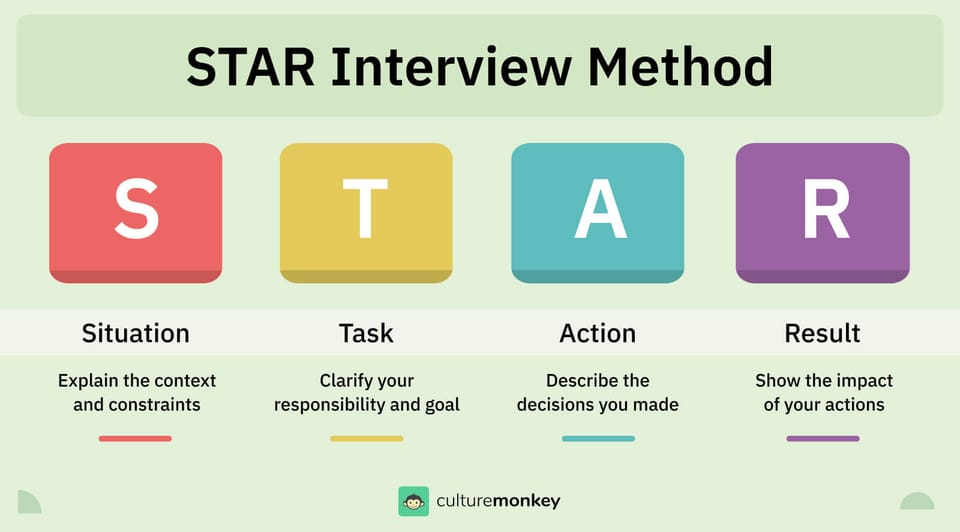
Start by reviewing your current and last roles — focus on major results, learnings, and reasons for leaving. Rehearse STAR method answers to common interview questions to sound confident yet authentic. Prepare a few follow-up questions to show curiosity and understanding. Keep your examples short, relevant, and measurable so interviewers can easily assess consistency and impact across candidates at every stage.
2. How do I keep interviews consistent when different managers are involved?
Develop a clear framework where every interviewer uses the same core questions and evaluation format. Encourage consistent scoring, note-taking, and follow-up structure across rounds. This creates fairness, helps reduce unconscious bias, and allows objective comparison between candidates. Regular debriefs after each round help align perspectives, maintain process integrity, and speed up hiring decisions without letting personal preferences override data-driven judgment.
3. What opening question builds trust without wasting time?
Start with a warm, neutral question like “What attracted you to your last role?” It puts candidates at ease and opens space for authentic storytelling. Use STAR prompts like “Walk me through how you approached that challenge”structured naturally. These openers encourage trust, lower nerves, and help candidates reveal genuine motivation, which gives interviewers richer insights into their potential fit.
4. How many rounds are enough before we risk losing great candidates?
Two or three interview rounds usually strike the right balance between thoroughness and efficiency. Beyond that, the process can drag and frustrate top candidates. Maintain consistent questions across all rounds so comparisons are clear and fair. Keep scheduling tight and decisions quick to prevent talent loss. The best interview experiences are structured, respectful of time, and focused on decisive collaboration.
5. How do I probe deeper without sounding confrontational or biased?
Ask open, curiosity-driven follow-ups like “Can you tell me more about what led to that decision?” Use a calm tone and neutral phrasing around the candidate’s experiences, focusing on “how” and “what” instead of “why.” Keep your body language open. This approach invites detail without intimidation, allowing candidates to elaborate freely and helping you assess behavioral depth more accurately and fairly.
6. What’s the difference between a strong behavioral answer and a rehearsed one?
A strong behavioral answer sounds specific, reflective, and real. It includes challenges faced, actions taken, and measurable results. Rehearsed answers feel overly smooth, vague, or detached from reality. Probe for follow-up examples from their current or past roles to confirm authenticity. Candidates with genuine experiences give richer, spontaneous insights that reveal true problem-solving ability, and emotional intelligence during the interview.
7. What should our 15-minute post-interview debrief look like?
Right after the interview, bring all interviewers together for a focused 15-minute review. Discuss key insights from identical questions asked across rounds to ensure fairness. Highlight strengths, development areas, and overall fit for the role. Capture notes immediately while impressions are fresh. This fast, structured debrief encourages objective alignment, and speeds up confident hiring decisions before great candidates move elsewhere.
More from HummerAI Blog

Recruitment dashboard guide: what to track and why it matters
A recruitment dashboard is a centralized view of hiring activity that shows role status, candidate progress, bottlenecks, and key metrics, helping teams track what’s moving, what’s stalled, and where decisions are needed across the hiring process.
STAR method interview questions: How to answer them with real examples
STAR method interview questions are structured prompts that ask candidates to explain a situation, action, and result to assess real past behavior clearly.