
Candidate NPS explained with questions, formula, and examples
 Roonan Lingam
16 min read
Roonan Lingam
16 min read

Think back to the first time you queued up for a movie everyone insisted was a masterpiece. You grabbed popcorn, settled into your seat, and felt that tiny spark of excitement because the buzz had already shaped your expectations.
And when the lights dimmed, you were either thrilled that the hype was real or mildly betrayed that you’d fallen for clever trailers and dramatic reviews. Either way, that early impression stuck with you long after the credits rolled.
Candidate NPS works on the same emotional logic. Long before someone joins your team, every interaction in your hiring flow becomes its own version of a trailer, shaping how candidates feel about your brand.
- Candidate net promoter score measures how job seekers rate the hiring process.
- Clear surveys at key stages improve candidate experience and feedback accuracy.
- Benchmarks guide realistic goals and track CNPS trends by role or location.
- Pitfalls like bad timing or long surveys distort results and actions.
- A simple checklist enables fast launch and data driven improvements.
What candidate NPS means and why it matters

Candidate NPS measures how likely candidates will recommend your hiring process to peers. It uses one question on a zero-to-ten scale, then classifies respondents as detractors, passives, or promoters. The score is promoters minus detractors, which turns scattered opinions into a clear trend you can track across the recruitment process.
High candidate NPS predicts stronger word of mouth and faster referrals. It lowers cost to hire because more qualified candidates come inbound and fewer top candidates abandon the application. It also reflects trust in your brand during the recruiting process, which shapes acceptance rate, review sites, and future pipeline quality.
Ask the question after key moments such as phone screen, onsite, and offer decision. Segment by role, location, and source, then pair scores with comments to pinpoint friction in the recruitment process. Close the loop with clear updates, a structured interview process, and faster feedback, so scores improve for the next cohort.
How candidate NPS is calculated with a quick example

Calculating candidate NPS is like balancing a monthly budget. You sort inflows and outflows, subtract one from the other, then watch trends appear. The same steps apply here.
Classify responses, run the simple subtraction, and read the signal quickly so decisions and next steps stay grounded. This keeps math clear and actions focused.
- Classify responses: Scores of nine to ten are promoters. Seven to eight are passives. Zero to six are detractors. This grouping makes the candidate NPS score easy to compute and compare because extremes matter more than fence sitters in perception signals.
- Use the formula: Candidate NPS equals percent promoters minus percent detractors. Quick example. 120 responses with 60 promoters, 30 passives, 30 detractors. 60 divided by 120 is 50 percent. 30 divided by 120 is 25 percent. Candidate NPS is 25 overall.
- Understand candidate NPS meaning: Scores above zero show more promoters than detractors. Higher scores suggest stronger word of mouth and trust. Negative scores signal friction. Track the number alongside qualitative comments to learn which moments improve perception and which moments damage momentum.
- Choose the sample and timing: Ask the question at defined milestones such as phone screen, onsite, and offer decision. Avoid mixing external candidates with internal moves. That consistency keeps candidate experience NPS comparable across cohorts and helps teams spot bottlenecks quickly and fix them.
- Set a candidate NPS benchmark: Define a candidate NPS benchmark and compare results by role, region, and channel over time. Use your own history as a baseline when data is scarce. Publish changes linked to feedback so people see progress and the score earns trust.
When to measure candidate NPS in the hiring journey
Measure at decisive moments so cause and effect link clearly, improvements compound, and teams rapidly convert feedback into actions candidates notice across each stage of the journey.
- After application submission: Trigger a short candidate satisfaction survey within 24 hours. Fresh memory yields precise signals on clarity, speed, and tone. Treat this as a baseline in your candidate experience metrics so later changes reveal where the application experience improved or slipped.
- After screening call: Send post interview survey questions right after the phone screen. Focus on expectation setting, role clarity, and scheduling ease. Early read on candidate net promoter score shows whether brand promise matched reality before interviews commit time on both sides.
- After first panel: Right after the first structured panel, capture candidate net promoter score again. Ask about fairness, depth, and interviewer preparedness. Compared to the baseline flags bias or confusion early, letting you coach interviewers and adjust logistics before next rounds amplifies friction.
- After onsite or final interview: Following onsite or final interview, deploy a focused candidate satisfaction survey. Prioritize timeliness, hospitality, and question relevance. Pair scores with candidate experience metrics like time on stage to pinpoint stalls, then remove blockers before offers go out and momentum fades.
- After offer decision: Immediately after the offer decision, measure candidate net promoter score for outcomes. For accepted candidates, confirm what worked. For declines, learn causes. Speedy insights guide messaging, timelines, and counteroffers while memories remain vivid and teammates have capacity to act.
- After the process ends: One week after the process ends, run a debrief candidate satisfaction survey. Include targeted post interview survey questions. This lagging pulse validates whether promises matched reality and supplies themes to update playbooks, templates, and expectations for upcoming cycles.
The candidate NPS question and optional follow ups

Ask clearly, follow up fast, and use structured prompts so comments become fixed that scale, aid employer brand measurement, and lift candidate survey responses without extra friction.
- Ask the core question: Use a 0 to 10 rating. How likely are you to recommend the hiring process to a colleague? Keep it anonymous and short so candidate survey response stays high and comparisons stay clean across roles.
- Add one open follow up: Ask for the main reason behind the score. Use plain language so insights map to stages and owners. Themes guide coaching, fix templates, and strengthen employer brand measurement without extra length that would lower response.
- Tailor optional probes: For promoters ask what to preserve. For passives ask what would raise the score and for detractors ask what failed expectations. Keep probes optional to protect speed while improving signal quality and keeping candidate survey response healthy.
- Decide timing and channel: Send within twenty four hours by email or SMS. Short surveys earn accurate memory and higher completion. Pair the rating with comments, route by stage, and show visible fixes so candidates notice progress the next time.
- Align scoring and reporting: Use the recruiting NPS formula of promoters minus detractors. Publish the weekly trend and slice by role, source, and team. Combine with conversion and time on stage so patterns connect to actions people actually take.
- Close the loop visibly: Share themes, note fixes, and thank respondents. Tie changes to reviews, referrals, and offer acceptance to advance employer brand measurement. When people see actions, trust rises and participation grows, which strengthens the signal and the score.
How to collect responses across channels and tools
Capture quick pulses wherever candidates already are, tie identities to stages, and route feedback automatically. That way, you spot storms early and fix the forecast before offers go out.
- Use native systems first: Send the one question via ATS and email confirmations inline. Use mobile-friendly forms, unique links, and reminders, then map each response to candidate ID and stage to keep candidate experience NPS trends clean and comparable.
- Add messaging and SMS: Place short links in texts and chat reminders so candidates reply while context is fresh. Keep latency low with auto replies and retry windows. These channels lift response rates and preserve your candidate NPS score’s representativeness.
- Leverage career site and portal: Add the question to application confirmation pages and portal dashboards. Session tagging ties responses to stage without emails. Always-on placement catches passives, complements campaigns, improves coverage, and smooths candidate experience NPS visibility for niche roles.
- Catch real-time moments: Show a QR or short link in lobbies and signage after interviews. Real-time capture boosts accuracy and candor. Pair single-use tokens to prevent duplicates and protect privacy while enriching your candidate NPS score with contextual comments.
- Consolidate and dedupe: Pipe responses from all tools into one table with IDs and timestamps. Remove duplicates, normalize scales, and tag stages automatically. Unified data enables trends, useful candidate NPS benchmarks, and ownership for fixes that improve the next cohort.
How to segment candidate NPS by role location and stage?
Segmenting candidate NPS is like reading a box score instead of the final score. You see who contributed, where momentum shifted, and what to coach next. Break results by role, location, and stage to target fixes precisely and avoid blanket changes that mask the real bottlenecks.
Then publish focused actions people can verify quickly.
- Segment by role and seniority: Compare engineering, sales, and support separately, then split by seniority. Expectations vary by family and level, so averages hide friction. Role segmentation turns the candidate NPS score into targeted coaching for interviewers, timelines, and prep.
- Slice by location and time zone: Group results by location and time zone. Local norms and scheduling windows shape perceptions. Regional splits expose where language, timing, or venue choices depress scores. Tailor fixes before broad policy changes skew your candidate NPS benchmark.
- Track by stage progression: Separate scores after application, phone screen, panel, and offer. This granularity uncovers where candidate experience weakens. Stage segmentation pairs candidate NPS benchmarks with comments to expose delays, unclear communication, or interview prep gaps that affect trust.
- Overlay source and channel: Compare referrals, job boards, and direct applicants. Source-based splits reveal if certain candidate funnels consistently underperform. These insights help refine sourcing strategies, ensuring stronger candidate experience and more balanced recruiting pipelines over time.
Candidate NPS benchmarks and what good looks like

Reading candidate NPS is like scanning a dashboard before a board review. One number signals health while trends tell the story. Compare across roles and stages, not against vague internet averages. Anchored benchmarks guide investment and help teams declare what good looks like with clarity everyone can verify over time and across markets.
- A practical baseline: A score above zero means more promoters than detractors while plus twenty signals momentum. Treat minus results as urgent. Track median and 90th percentile weekly so outliers do not distort reality and your benchmark reflects performance rather than spikes.
- Compare like for like: Benchmark within families like engineering sales and support then adjust for seniority. Split by location and stage so context stays honest. Comparing a leadership search to high volume hiring muddies signals and creates false victories that drain time and budget.
- Pair scores with comments: Scores explain magnitude while comments explain cause. Tag themes like speed, clarity , fairness preparation and tools. Publish the top three fixes every sprint so stakeholders see progress and your candidate NPS benchmark earns credibility through actions rather than dashboard theater.
- Mind trend and variance: Watch four week moving averages alongside weekly variance. Sharp swings mean small samples or channel shocks do not experience shifts. Stabilize collection volume before declaring wins and confirm improvements hold across cohorts so the definition of good survives busy seasons.
- Declare what good means: Define targets by stage and role like fifteen after screen and twenty five after final. Add guardrails on sample size and time on stage. Teams move faster when good is explicit and every report links scores to owner actions.
Common pitfalls that distort candidate NPS and how to avoid them
Misreading candidate NPS is like judging a game from a highlight reel. You catch the extremes while the context disappears. The wrong timing and samples twist the story. Guard the method so the score reflects reality and your next fixes actually move experience forward across roles, stages , locations and weeks, not just anecdotes.
Beware sampling bias, incorrect timing, and mixing cohorts. Surveying only accepted candidates or combining junior & senior roles skews results.
Maintain consistency, anonymity, and stage-based cadence to ensure the NPS reflects real candidate experience.
- Sampling the wrong moments: Collecting only after offers excludes most candidates and inflates positivity. Ask after the application screen panel and decision to balance voices. Stage based cadence keeps the recruiting NPS formula honest and spots friction early while people still remember details and steps.
- Mixing apples and oranges: Combining executive searches with campus drives muddies the signal. Segment by role seniority location and source before comparing numbers. Otherwise detractors hide inside averages and promoters cluster in channels which leads teams to invest in volume while quality slides.
- Using long surveys: Piling questions after the NPS item crushes completion. Keep the rating plus one reason and optional probes. Short surveys raise candidate survey response and produce cleaner employer brand measurement while long forms bias toward promoters who have patience and time.
- Forgetting anonymity controls: Asking for names in small cohorts suppresses honesty. Use anonymous links and single use tokens then route comments privately to owners. Protecting identity raises candor and keeps the score representative rather than curated which matters most when emotions run high.
- Chasing vanity lifts: Incentivizing only promoters or surveying right after good news inflates numbers without fixing experience. Track four week averages and 90th percentile alongside comments. Publish both wins and misses so credibility grows and leaders trust the score when tradeoffs appear.
Checklist to launch candidate NPS in one week

Rolling out candidate NPS is like hosting a pop-up event. Speed matters but so does structure. You cannot improvise every step and expect consistency. A focused one-week checklist makes setup realistic, removes excuses, and ensures candidate experience metrics start flowing without drowning the team in complexity.
- Day one set the question: Finalize the candidate NPS wording. Keep it short and consistent across all touchpoints. Add one optional open-ended prompt to capture context and improve the quality of candidate survey response without adding unnecessary friction.
- Day two pick channels: Choose two channels email and SMS to start. Embed the question in confirmation emails and text reminders. Prioritize mobile-friendly links and auto reminders so coverage improves while candidate NPS score remains reliable and response rates climb.
- Day three configure tools: Configure ATS or survey tool to capture scores by role stage and source. Route responses to a single sheet. Set up alerts for low scores so hiring managers see issues quickly and can act within hours.
- Day four pilot with sample: Run the survey for one role and stage only. Review completion rates and comments. Adjust timing language and follow ups. Keep changes small to avoid breaking the recruiting NPS formula before scaling to the entire pipeline.
- Day five share trends: Publish early data internally with context. Tag three top fixes and assign owners. Sharing builds trust in employer brand measurement and sets expectations that candidate NPS will be actionable not just a vanity metric on a dashboard.
- Day six refine questions: Adjust language and follow ups based on pilot feedback. Keep the core NPS item intact. Re-test delivery across channels to ensure clarity. Consistency and simplicity drive response rates more than adding multiple detailed probes candidates will skip.
- Day seven expand and automate: Roll out to all active roles and automate triggers. Monitor daily, review weekly, and tie comments to actions. Within one week, candidate NPS becomes a living signal for candidate experience metrics across the hiring journey.
Conclusion
Candidate NPS is a simple but powerful lens into how job seekers perceive the hiring process. It highlights whether the application and interview experience builds trust or creates friction.
When measured consistently, it becomes a key factor in improving recruitment outcomes, strengthening employer brand, and attracting top talent. A strong candidate NPS signals to potential candidates that the company values fairness, clarity, and their time.
Hummer AI empowers organizations to put this into practice. It automates survey triggers, collects responses across channels, and generates detailed reports that highlight candidate expectations and pain points.
By turning raw feedback into actionable insights, Hummer AI enables hiring managers to refine communication, speed up decisions, and deliver a more positive experience. The result is a measurable advantage in securing qualified candidates and building stronger candidate relationships.
FAQs
1. What is a good candidate NPS score for most companies
A good candidate NPS score sits above zero, but industry standards often see +20 to +40 as strong. This shows candidates perceive the hiring process as fair and supportive. Tracking candidate NPS score across different stages of the candidate journey ensures consistent candidate experience and helps talent acquisition teams set realistic improvement goals with accurate feedback.
2. When should we ask candidate NPS so response rates are higher
The best time to survey is immediately after key stages like the application process, interview stage, and job offer. Asking during multiple stages ensures candidates feel their input matters. Quick candidate experience surveys give timely feedback, improve candidate satisfaction, and help the hiring team measure candidate experience before candidates rejected or hired move on.
3. Should candidate NPS be anonymous or linked to a profile
Anonymous net promoter score NPS surveys capture candid insights from job seekers without fear. However, linking to profiles lets hiring managers calculate candidate NPS per role and stage. Many organizations blend both, ensuring candidate experience survey questions deliver valuable insights while still protecting candidates rejected or hired from negative feedback loops that could affect future candidates.
4. How many responses do we need before we trust the score
Trust in CNPS data comes with sample size. A minimum of 30 to 50 responses per stage helps reduce bias and track CNPS across different stages. Measuring candidate NPS this way gives talent acquisition teams reliable candidate feedback, better candidate experience benchmarks, and realistic improvement goals for a stronger recruitment process overall.
5. Can we run candidate NPS for rejected candidates without hurting brand
Yes, surveying candidates rejected can strengthen the employer brand if done thoughtfully. Rejected and hired candidates both shape the candidate journey. When candidates feel respected and asked for detailed feedback, they provide insights that improve the recruitment process. Even unhappy candidates can leave with a positive impression instead of creating negative word of mouth.
6. How do we connect candidate NPS to offer acceptance or time to hire
Tracking candidate NPS data alongside hiring funnel metrics reveals correlations. For example, a higher CNPS score often leads to stronger job offer acceptance and faster time to hire. By measuring candidate experience at different stages, hiring teams gain valuable insights that guide hiring efforts and create data driven improvements in the overall hiring journey.
7. What question wording increases response rate without bias
Clear, simple candidate experience survey questions work best. Ask job applicants, “How likely are you to recommend this hiring process to others.” Follow with one open-ended prompt. This format keeps NPS surveys unbiased, increases candidate survey response, and provides feedback that measures candidate experience across the application process and interview experience effectively.
8. Can AI help tag themes and suggest actions from open text
Yes, AI can analyze CNPS data from open-ended candidate feedback and generate detailed reports. It tags themes from candidate experience surveys like job description clarity, application process ease, or interview experience. This helps talent acquisition teams and hiring managers identify negative feedback, improve candidate satisfaction, and make data driven improvements that strengthen company culture.
More from HummerAI Blog

Recruitment dashboard guide: what to track and why it matters
A recruitment dashboard is a centralized view of hiring activity that shows role status, candidate progress, bottlenecks, and key metrics, helping teams track what’s moving, what’s stalled, and where decisions are needed across the hiring process.
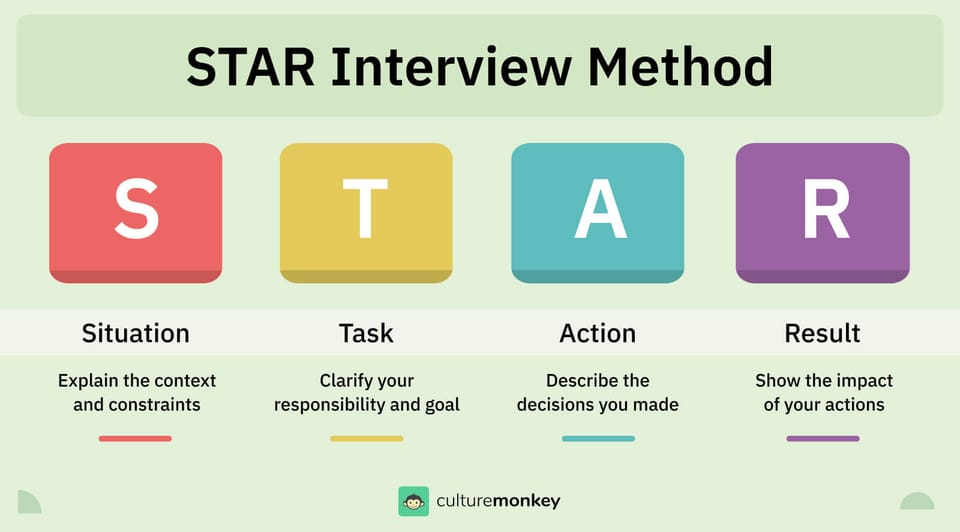
STAR method interview questions: How to answer them with real examples
STAR method interview questions are structured prompts that ask candidates to explain a situation, action, and result to assess real past behavior clearly.