
Candidate experience checklist for hiring teams in 2026
 Roonan Lingam
14 min read
Roonan Lingam
14 min read

Remember packing for your first overnight school trip. You spread everything on the bed, ticked each box on a crumpled checklist, and only relaxed once the torch, snacks, and spare socks were zipped in. Skip one item, and the bus felt colder, the night longer, a simple list turned worry into confidence.
That’s exactly how the hiring journey works. The path a stranger takes from first hello to final handshake isn’t magic; it’s a sequence. When designed with care, candidates feel respected and confident. When rushed or improvised, small misses snowball into doubts that damage trust and momentum.
- Candidate experience directly impacts employer brand and recruitment results.
- A structured interview process ensures fairness, speed, and better engagement.
- Surveys, journey mapping, and feedback turnaround measure improvements.
- Interview intelligence software streamlines communication and decision-making.
- Positive candidate experience attracts top talent and builds trust.
What candidate experience means and why it matters

Candidate experience is like your product onboarding for future teammates. When the flow is clear, friendly, and fast, people trust the brand behind it. When steps are clunky, silent, or slow, qualified candidates drift away. Use this lens to judge each touch point before we lock the checklist in place.
Candidate experience defines how job seekers perceive your hiring journey. Clear communication, fair assessments, and timely feedback build trust, attract top talent, and strengthen your employer brand, while silence or confusion quickly drives strong candidates toward competitors.
At its core, candidate experience defines the promise of the hiring process. The job post, description, and interview plan must tell the same story so job seekers know what to expect. Timely updates help candidates perceive consistency and create a positive candidate experience.
Good experience also comes from removing friction at every stage. Mobile friendly applications, shorter forms, and clear instructions reduce stress for job seekers. Automated updates powered by recruiting software prevent silence, a major cause of poor candidate experience.
Equally important is closing the loop with feedback. Sending a candidate experience survey after each stage gives hiring managers data to measure candidate experience effectively. When companies track trends and act quickly, they protect their reputation, attract top talent, and ensure even rejected candidates remain open to future job offers.
The candidate experience checklist at a glance - key stages that matter
Planning the candidate journey is like running a sprint board for a launch. When each lane is clear, work flows forward and blockers surface early. When cards are vague or missing, progress stalls and confidence drops. Use these stages to turn a messy hiring lane into a predictable path today.
Pre-application stage
Align your job post and job description with a clear promise. Show salary range, timeline, and process so job seekers know what to expect. In a job market, clarity attracts the right candidates and prevents poor reputation from vague signals.
Application stage
Keep forms short and mobile friendly. Use recruiting software to auto save progress and send confirmations that encourage candidates. Add candidate surveys on ease and clarity. These small cues measure candidate experience effectively and reduce drop off from frustrated applicants.
Interview stage
Share agenda, format, and names upfront. Train hiring managers to ask clear questions and give next steps within 24 hours. Qualified candidates stay engaged when the hiring process feels respectful. Capture candidate experience data after each interview to fix friction.
Offer stage
Present salary, benefits, location, and start date in a clear message. Explain acceptance steps and response window. When job seekers view the company’s job offers as transparent, potential hires convert faster and those who decline leave with goodwill and referrals.
Onboarding stage
Send paperwork early, share a day one plan, and confirm equipment. Welcome messages before the start date calm nerves about a new job. Follow with a candidate experience survey to gather feedback and measure candidate experience effectively within the first month.
Common mistakes to avoid in candidate experience

Creating a great candidate experience is like running a tight standup, small slips quickly become blockers. When signals lag or steps wobble, momentum stalls and trust leaks across teams. Use the pitfalls below to tighten handoffs, speed decisions, and keep a positive candidate experience intact from first touch to offer.
- Slow, vague updates: Silence kills momentum. Set response SLAs and use candidate communication templates for confirmations, next steps, and timelines. Predictable touchpoints reduce stress, signal respect, and build trust, turning delays into clarity and a good candidate experience.
- Unclear role and expectations: Vague job previews create mismatched interviews and rework. Share day-in-the-life examples, must-haves vs nice-to-haves, and success metrics early. When candidates see the real work, candidate experience improves, quality rises, and drop-offs shrink before interviews begin.
- Skipping a structured interview process: Unplanned interviews feel inconsistent and biased. Standardize questions, rubrics, panel roles. A structured interview process delivers consistent comparisons, faster decisions, and fairer outcomes, supporting positive candidate experience and keeping hiring managers aligned on great.
- Ignoring feedback loops: Candidates left hanging rarely return. Offer timely, specific feedback, even to those not selected. Respectful follow-ups show appreciation, keep pipelines warmer, and transform a poor outcome into a better candidate experience.
- Inconsistent employer brand signals: If career pages promise collaboration but interviews feel cold, credibility drops. Align job posts, team culture, and candidate communication so candidates perceive authenticity. Consistency strengthens trust and sets up long-term loyalty.
- Overlooking personalization: Generic emails and templated scripts feel robotic. Personalize candidate communication templates with role details, names, and thoughtful touches. This small effort helps create a good candidate experience where job seekers feel valued throughout the process.
Metrics and tools to measure candidate experience

Measuring candidate experience is like tuning a sales pipeline, signal without context misleads, and small leaks compound downstream. The right metrics spotlight hidden friction; the right tools fix it fast. Begin with candidate journey mapping and a candidate satisfaction survey.
Measuring candidate experience through surveys, journey mapping, and feedback turnaround exposes hidden friction.
Tracking CSAT, NPS, and time-to-hire reveals process gaps, enabling data-driven improvements that boost engagement, acceptance rates, and overall hiring efficiency.
- Candidate satisfaction survey: Run short, stage-specific surveys within 24 hours of each milestone. Track CSAT, NPS, and effort. Segment results by role, recruiter, and source. Close the loop by tagging themes and publishing fixes, so candidates see actions, not promises, in practice.
- Candidate journey mapping: Map every touchpoint from job ad to onboarding, including wait times. Overlay conversion, drop-off, and sentiment by stage. Annotate owners, SLAs, and tools. Use the map in weekly standups to prioritize fixes that collapse handoffs and shorten time-to-yes.
- Interview feedback turnaround: Set written SLAs for feedback within 24–48 hours. Track median and 90th percentile by interviewer and panel. Enable automated nudges and mobile forms. Faster interview feedback turnaround reduces anxiety, improves acceptance rates, and frees calendars for the next great hire.
- Structured interview process: Standardize questions, rubrics, and scoring calibration across panels. Monitor score distributions and variance by interviewer to catch drift early. Record time-in-stage and interviewer availability. A disciplined structured interview process improves fairness, speeds decisions, and raises confidence for candidates and managers.
- Stage conversion and time-to-hire: Track conversion and median days between stages by role and source. Benchmark against prior quarters. Flag bottlenecks where waits exceed SLA. Tie improvements to acceptance rate and quality proxies, so recruiting celebrates speed that preserves candidate experience and performance.
- Offer outcomes and re-engagement: Measure offers acceptance, declines by reason, and reneges. Trigger check-ins at 7, 14, and 30 days. Track referrals from declined candidates. Sharing improvements and closes convert near-misses into promoters who return, refer peers, and strengthen employer brand credibility long-term.
Role of an interview intelligence software in enhancing candidate experience

Adopting interview intelligence software is like adding a project manager to every hiring round, it keeps timing tight, communication clear, and outcomes consistent. Instead of guesswork or delays, candidates experience a structured process, faster responses, and visible fairness. That clarity builds trust and elevates candidate experience across every stage.
- Improve candidate communication: Automated confirmations and reminders using candidate communication templates reduce uncertainty. Clear timelines keep candidates engaged, while consistent touchpoints reinforce reliability, shaping a good candidate experience even during longer hiring cycles.
- Enable a structured interview process: Built-in rubrics and guided question sets eliminate bias. A structured interview process ensures equal evaluation, speeds up decisions, and reassures candidates they’re judged on merit, not personal preferences.
- Faster interview feedback turnaround: Automated notes and scorecards reduce lag. Quicker interview feedback turnaround minimizes candidate stress, keeps momentum alive, and shows respect for their time, increasing trust and improving acceptance rates.
- Enhance candidate journey mapping: The software highlights delays, drop-offs, and bottlenecks in real time. Candidate journey mapping helps recruiters refine steps, improving flow and ensuring candidates experience smoother, more transparent progress.
Conclusion
A well-thought-out candidate experience checklist is more than a hiring tool, it’s a safeguard for your brand, culture, and long-term growth. When companies streamline communication, build a structured interview process, and capture timely feedback, they create a positive candidate experience that attracts and retains top talent. This checklist ensures hiring teams don’t miss critical steps that influence how candidates perceive the organization, from the first application to the final offer.
Hummer AI takes this a step further by automating and enhancing the process. With features like candidate communication templates, structured interview workflows, and candidate journey mapping, it eliminates inconsistencies and delays.
The result is faster, fairer, and more engaging interactions that make candidates feel valued while saving recruiters time. By combining a strong checklist with Hummer AI’s intelligence, organizations can transform hiring into a seamless, trustworthy journey that boosts employer brand and talent outcomes.
FAQs
1. What is included in a candidate experience checklist?
A candidate experience checklist covers the job description, application process, screening process, in-personthe interviews, consistent communication, and candidate feedback. It ensures the entire hiring process reflects the the company culture and company’s values. By aligning hiring managers and the hiring team, organizations provide candidates with a positive impression and create positive relationships with potential candidates and new hires.
2. How do you measure candidate experience in recruitment?
To measure candidate experience, many organizations use candidate experience surveys, candidate journey mapping, and key metrics like job application process drop-offs and interview feedback turnaround. Gathering constructive feedback throughout the recruitment process helps hiring teams generate detailed reports. These insights highlight pain points, drive continuous improvement, and ensure job seekers feel respected throughout the application and interview process.
3. What are the best practices for improving candidate experience?
Best practices include simplifying the application process, sharing a clear job description, and ensuring consistent communication during the recruitment process. Giving candidates constructive feedback after interviews creates positive relationships and shows the company’s commitment to employee experience. Providing a positive candidate experience throughout the hiring process attracts more qualified candidates and leaves a lasting impression that benefits the employer brand.
4. Why is candidate experience important for HR leaders?
For HR leaders, candidate experience is a key factor in talent acquisition. A poor candidate experience leads to negative reviews, negative impressions, and missed opportunities to hire qualified candidates. A positive experience shows company culture and company’s values, builds positive relationships, and gives potential candidates the confidence to see the company as a future employer.
5. What role does candidate feedback play in hiring success?
Candidate feedback provides valuable insights into the recruitment process, including the job application process and final interview. By gathering feedback, hiring managers learn where the application and interview process creates stress. Addressing those pain points leads to continuous improvement, ensures top candidates are extremely satisfied, and reinforces the company’s reputation as an employer brand that values constructive feedback.
6. How does a structured interview process impact candidate experience?
A structured interview process puts hiring managers and candidates on the same page. It ensures every job applicant is evaluated at the same level with consistent communication. This fairness attracts high-qualitythe candidates, avoids poor candidate experience, and shows potential employers’ commitment to building trust throughout the hiring process, ultimately helping companies fill positions with the right candidates.
7. What tools help track interview feedback turnaround effectively?
Tools that generate detailed reports on interview feedback turnaround ensure candidate expectations are met. Recruitment software highlights delays in the recruiting process and empowers hiring teams to provide candidates with timely responses. Faster feedback during the recruitment process helps attract more qualified candidates, avoids negative impressions, and supports positive candidate experience by respecting the candidate’s time during the a job search.
8. How can candidate journey mapping improve recruitment outcomes?
Candidate journey mapping analyzes each step of the application and interview process. It shows where job seekers drop out of the job application process and where candidate engagement declines. With these insights, hiring managers identify gaps, improve candidate experience, and create positive impressions. The result is a smoother recruitment process that attracts new employees and builds lasting impressions.
9. What should a candidate satisfaction survey include for useful insights?
A candidate satisfaction survey should ask about the job description clarity, application process ease, interview scheduling, candidate’s timeapplicants, and candidate feedback quality. By analyzing responses, many organizations gather feedback for continuous improvement. It helps build positive relationships with future applicants, ensures a positive experience throughout the hiring process, and strengthens the employer brand with more qualified candidates and top talent.
10. How does technology like interview intelligence software enhance candidate experience?
Interview intelligence software supports hiring teams with structured interview processes, consistent communication, and constructive feedback delivery. It helps generate detailed reports, track key metrics, and streamline the recruiting process. By ensuring candidates receive timely updates and personalized touchpoints, companies provide candidates with exceptional candidate experience and create positive relationships that strengthen the company’s reputation and help attract the best talent.
More from HummerAI Blog

Recruitment dashboard guide: what to track and why it matters
A recruitment dashboard is a centralized view of hiring activity that shows role status, candidate progress, bottlenecks, and key metrics, helping teams track what’s moving, what’s stalled, and where decisions are needed across the hiring process.
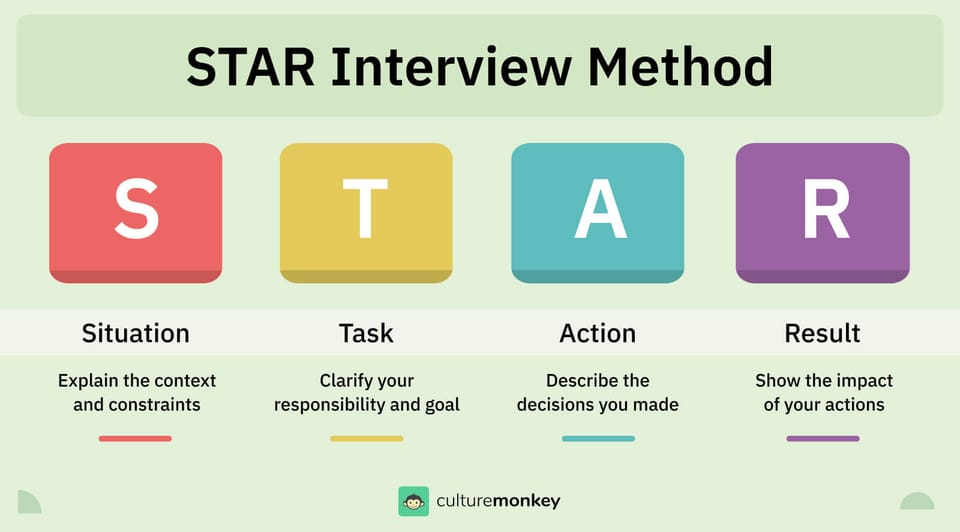
STAR method interview questions: How to answer them with real examples
STAR method interview questions are structured prompts that ask candidates to explain a situation, action, and result to assess real past behavior clearly.