
Automated interview: The future of faster, fairer, smarter hiring
 Roonan Lingam
22 min read
Roonan Lingam
22 min read

Think about the last time you planned a trip without using a navigation app. You guessed the turns, hoped the traffic would behave, and relied on memory more than logic. Sometimes you get lucky. Sometimes you ended up taking the long way around. The moment you finally used smart navigation, everything changed, the route, the timing, the confidence.
Automated interviews offer that same shift for hiring teams. Instead of guessing which questions to ask, juggling notes, or relying on inconsistent evaluator judgment, automation gives you a clear, structured path. It standardizes the flow, captures everything, and guides you toward decisions backed by data rather than detours.
So when someone asks, “What are automated interviews?” The answer is simple: they’re your hiring GPS, the system that keeps every interview on track, consistent, and far smarter than manual guesswork.
- Automated interviews utilize structured workflows to expedite the hiring process, ensure fairness, and maintain consistency.
- Formats such as video, chat, and AI assessments help teams screen candidates efficiently at scale.
- Automation reduces delays, bias, and manual effort across the recruiting process.
- Human judgment still matters for nuance, culture fit, and complex decisions.
- Automated interviews strengthen hiring by improving clarity, structure, and overall candidate experience.
What is an automated interview?

An automated interview is like swapping a shaky handheld camera for one with auto-stabilization. You still choose the angle and frame the story, but the tech smooths the bumps, keeps everything consistent, and removes the tiny hassles that normally slow you down. This sets the stage for a cleaner, more predictable hiring process that works at scale.
In simple terms, an automated job interview uses structured questions, guided flows, scorecards, and real-time transcription to keep every conversation fair and repeatable. Instead of juggling note taking, context switching, and guesswork, the system captures details, tracks signals, and ensures each candidate moves through the same clear path. Interviewers stay focused on evaluating talent, not wrestling with logistics.
Adaptive interview automation goes a step further by adjusting questions, depth, and prompts based on the role, seniority, or stage. Technical positions get deeper skill checks. Leadership roles get situational probes. Early-career candidates get simplified flows. The structure stays consistent, but the experience becomes intelligently tailored. This creates decisions backed by evidence, not hunches, and gives teams a hiring process that finally feels calm, controlled, and surprisingly human.
Types of automated interviews: video, chat, and AI-based assessments

Types of automated interviews are like different meeting formats in your calendar: quick stand-ups, deep-dive workshops, and async updates. Each fits a different purpose, mood, and time constraint. To design a modern hiring process, you need the right format for every important hiring conversation, role, stage, and stakeholder involved today.
- Asynchronous video interviews: Candidates record answers to automated interview questions on their own time. Your team reviews on demand, compares responses fairly, replays key moments, and flags standout clips for deeper, panel based follow up discussions later.
- Live video with AI assistance: Interviewers run normal conversations on video while automation captures transcripts and time stamps answers. The platform then structures data so your team can confidently trust comparisons and decisions across future hiring cycles.
- Chat based interviews: Candidates answer automated interview questions through a conversational interface that feels like messaging. Branching logic adapts to responses, ideal for early screening at scale while still catching red flags and promising, high intent fit signals quickly.
- AI based assessments: The system scores responses to AI automation interview questions and analyses language, structure, and examples. It then surfaces strengths, risks, and patterns so recruiters see a reliable snapshot instead of inconsistent, hard to compare notes.
- Technical and automation testing flows: For engineering roles, platforms can serve automation testing interview questions and capture code or whiteboard style answers. They tag skills, tools, and depth so hiring managers clearly separate hobbyists from strong, production grade practitioners.
- Practical automated interview example: A candidate applies, receives a chat based screen, records a short video, and completes AI scored tasks. Your team then reviews one dashboard instead of chasing scattered files, comments, and links across different tools.
Knowing the different formats is useful, but it does not answer the question every talent leader cares about most: what measurable advantages automated interviews create for your recruiters, hiring managers, and candidates across a busy year of hiring.
Benefits of automated interview

Running hiring without automation is like trying to run a large event using sticky notes instead of a planner. Things get misplaced, timings clash, and simple tasks turn into avoidable delays. An automated interview process replaces that chaos with predictable workflows that run smoothly behind the scenes, no matter how many roles you’re managing.
Interview scheduling
Automated interview software syncs calendars, offers real-time availability, and books confirmed slots instantly. This removes the stress of coordinating across teams and time zones. Recruiters spend more time evaluating talent and less time chasing confirmations.
Customize workflow automation
The automated interview process lets you set triggers that move candidates between stages, notify teams, or update ATS statuses. This keeps pipelines moving without manual nudges. Your team stays aligned even during high-volume hiring.
Data-driven decision-making
Automated interview software tracks scores, sentiment, and interviewer feedback in one place. This helps teams see patterns that lead to better hiring decisions. Leaders finally get reliable data instead of scattered notes.
Flexible scheduling
Candidates choose interview slots, switch formats, or reschedule within rules that work for your team. This builds a smoother experience without extra work for recruiters. It also reduces drop-offs from timing conflicts.
Improved hiring speed
When reminders, scheduling, and updates run automatically, interviews progress faster. Recruiters can focus on reviewing insights instead of managing logistics. The entire automated interview process becomes more predictable and efficient.
Reduced time-to-hire
Automated interview software minimizes delays between stages with faster scheduling, summaries, and evaluations. Hiring teams reach decisions sooner. This lowers the risk of losing strong candidates to faster competitors.
Reduces back-and-forth
Automatic confirmations, reschedule links, and clear next steps eliminate messy email chains. Both candidates and teams always know what to expect. This creates a smoother, frustration-free experience for everyone.
Automatic reminders
The automated interview process sends timely nudges for interviews, tasks, and deadlines. This reduces no-shows and delayed feedback. Recruiters no longer play the role of constant reminder manager.
Cost efficiency
Of course, as soon as you talk about algorithms and automation, an important concern surfaces in most rooms: can these systems be trusted to reduce bias, or are you introducing new, harder to see risks into hiring.
Are automated interviews fair and unbiased?
An automated interview system is like introducing a referee with instant replay into a recurring leadership meeting. People can still argue, but the facts are visible, recorded, and reviewable. The real question is not whether automation is perfect, but whether it reduces bias compared to your current, mostly manual process.
- Standardized questions and scoring: Automated video interview questions are asked in the same way, with the same scoring rubric, for every candidate. This standardization reduces variability between interviewers and gives your automated interview platform a clearer, more consistent basis to surface unfair patterns.
- Transparent, reviewable records: Every conversation is recorded, transcribed, and stored, so hiring leaders can audit decisions when concerns arise. An automated interview system makes it easier to investigate disputed outcomes and coach interviewers, instead of relying on hazy memories or incomplete notes.
- Configurable to reduce known bias: You can configure your automated interview platform to hide photos, names, or schools and focus reviewers on skills and examples instead. That structure reduces the chance of snap judgments about background and keeps conversations anchored in relevant, job related signals.
- Risk of encoding past bias: If you train models only on past hiring decisions, an automated interview system can quietly learn and repeat old biases. The fix is to monitor outcomes, retrain with diverse data, and involve legal and HR partners in regular reviews.
- Candidate experience safeguards: Fair automated interviews explain what is evaluated, how recordings are used, and what candidates can expect next. When your automated interview platform sets expectations, candidates feel less like talking to a black box and more like joining a structured process.
- Human oversight stays essential: Automated interview questions and scoring should support, not replace, human judgment from hiring managers. The most balanced setups pair structured automation with diverse review panels, so people can challenge odd recommendations instead of approving every AI generated score automatically.
Fairness is only half the story, though. Even an elegant workflow fails if candidates hate it, so it is worth looking at how automated interviews feel from the applicant’s side and what signals your process sends.
How candidates perceive automated interviews
For many candidates, automated interviews feel like joining a recurring leadership meeting where everyone already knows the agenda and outcomes. The structure reassures some people and unsettles others, depending on how clearly you explain expectations, interview flow, data handling, and follow-up timelines. That perception shapes whether they see your automated process as efficient or fair.
- Mixed first impressions: Some candidates see automation as efficient and modern, others fear it feels robotic or less personal. Clear explanations about why you use it help shift first reactions toward trust, curiosity, openness, patience, engagement, and confidence.
- Perceived fairness and structure: Candidates appreciate consistent automated interview questions and timed formats when they understand criteria. They are more likely to believe decisions are fair if the same structure applies to every applicant, across locations, time zones, and backgrounds.
- Anxiety about talking to a system: Some candidates worry automated interview questions and candidate responses are judged mainly by algorithms. Human review, transparent scoring, and chances to clarify answers help them feel seen as people, not anonymous data points.
- Convenience and flexibility expectations: Many candidates value being able to interview after work or on weekends. When your process supports flexible timing and device choice, they associate your brand with empathy, modern tools, and respect for real-life scheduling constraints.
- Signal about your brand: The automated experience becomes their first impression of how your company works. A smooth, respectful flow suggests thoughtful leadership, while confusing instructions or glitches signal disorganization and make strong candidates opt out of later stages.
Once you understand both the benefits and perceptions, the next step is practical: how do you design and launch an automated interview process that fits your culture instead of bolting a generic workflow onto your existing hiring.
Steps to set up an automated interview process

Setting up automation is like switching from manual weekly reports to real-time dashboards. The work stays the same, but the flow becomes cleaner, faster, and easier to trust. When teams design the process with clarity and intention, reducing bias with automated interview screening tools becomes a natural outcome rather than a forced policy.
- Define stages and goals: Map each interview stage, decide what you want to evaluate, and outline how automation supports that. Clear structure helps teams avoid confusion, reduce bias, and keep every candidate moving through the same predictable flow regardless of timing or interviewer availability.
- Create structured question banks: Build a library of consistent prompts tied to job skills and role expectations. This prevents random or leading questions and gives candidates equal opportunities to share relevant answers. Shared questions also make comparisons easier, faster, and more defensible for hiring managers.
- Set up scorecards and criteria: Assign rating scales, tie them to visible behaviors, and train interviewers to use them consistently. When scoring rules match real examples, you prevent personal preferences from skewing outcomes and turn interview feedback into cleaner, repeatable signals across different hiring cycles.
- Configure automation logic: Use automated interview screening tools to trigger next steps, notifications, or reviewer assignments. These rules prevent long delays, missed updates, or inconsistent handoffs. Candidates move smoothly through the system while teams avoid manual rework or forgotten follow-ups during high-volume hiring.
- Communicate expectations to candidates: Share formats, timing rules, and preparation tips so candidates feel informed. A transparent setup removes guesswork and reduces anxiety. When candidates know how the automated flow works, they respond more confidently and view your hiring experience as organized, modern, and respectful.
- Monitor outcomes and refine regularly: Review score patterns, completion rates, and candidate feedback to spot issues. Small adjustments improve fairness, clarity, and overall experience. Refined workflows help your automated interview process stay accurate, compliant, and aligned with how your teams actually evaluate talent.
Even a well designed workflow can fall flat if it appears everywhere. The real leverage comes from choosing the right moments in your hiring funnel where automated interviews add value without stripping away important human conversations or context.
When to use automated interviews in your hiring funnel
Choosing when to automate interviews is like deciding which meetings become async updates and which stay live debates. Get it wrong, and everything feels transactional and cold.
Get it right, and your team saves time while still protecting the human moments that matter most in your hiring conversations for candidates and hiring managers alike.
- Early-stage high volume screening: Use automated interviews when you have hundreds of applicants for similar roles. Short, structured questions quickly filter for must-have skills so recruiters only spend live time on serious, high potential candidates who understand the role.
- Standardizing multi-location hiring: When several offices or regions hire for the same role, an automated interview process keeps questions, scoring, and expectations aligned so talent acquisition teams avoid fragmented experiences and maintain one consistent brand voice for every candidate worldwide.
- Mid-funnel shortlist validation: After resume and assessment filters, use structured interviews to verify communication, problem solving, and motivation. This step ensures only candidates with strong signals progress to panel rounds, saving leaders from spending hours on obviously misaligned profiles.
- Designing repeatable hiring playbooks: When you document automated interview process steps for talent acquisition, you can reuse them across roles. This is perfect for recurring hires where you want predictable quality without rebuilding the entire funnel every quarter from scratch.
- Protecting hiring manager bandwidth: Use automation when leaders are busy but still need to hire. Pre-recorded responses and standardized notes mean they review only the strongest candidates instead of joining every early conversation and burning precious calendar capacity.
- Improving fairness in sensitive roles: For graduate, internship, or large frontline hiring, automated interviews apply the same structure to everyone. This consistency supports fairer shortlisting and gives you cleaner data if diversity or bias concerns appear later in reviews.
- Avoiding over-automation at the finish line: Senior leadership or niche roles still deserve live, relationship-driven conversations. Use automation here only for notes and summaries, keeping the final decision stages deeply human, contextual, and trust building for both sides.
With timing decided, you can focus on the material itself. The quality of any automated interview rests on the questions you ask, so it helps to understand the types that modern systems rely on to surface signals.
Questions commonly used in automated interview systems
In automated interview systems, the questions are like guardrails on a busy highway: invisible when they work, painful when they fail. The right prompts guide candidates toward structured answers, surface real experience, and give your hiring team consistent, comparable signals at scale. Used well, they feel natural to candidates, not scripted or mechanical.
- Behavioral questions: These ask candidates to describe past situations, actions, and outcomes, like handling conflict, ownership gaps, or changing priorities across teams. They help automated systems compare real examples instead of vague claims or buzzword-heavy introductions during fast-paced hiring cycles.
- Situational questions: These hypothetical prompts ask, for instance, how candidates would react to missed deadlines, vague direction, or clashing priorities. They show judgment, problem solving style, and communication approach before you commit senior interviewer time or schedule multi-panel discussions for them.
- Competency and skills questions: These focus on core skills like stakeholder management, technical depth, or people leadership rather than personality. They help your system benchmark proficiency levels consistently, so different interviewers interpret answers in similar ways instead of improvising private grading schemes.
- Motivation and career fit questions: These questions explore why candidates want the role now, what energizes them, and how they choose employers. Automated flows capture patterns at scale, revealing who is genuinely aligned versus casually applying to dozens of unrelated openings every week.
- Culture and values questions: These prompts probe reactions to feedback, ownership of mistakes, and collaboration style across teams. They let automated interview systems flag candidates whose everyday behavior conflicts with your values long before they meet senior leaders or sensitive stakeholders internally.
- Role-specific scenario questions: These scenarios mirror real work, like prioritizing a product roadmap, fixing a broken process, or calming an upset customer. Candidates walk through their approach step by step, giving you clearer signals than generic strengths-and-weaknesses style answers ever could.
- Reflection and learning questions: These ask candidates to reflect on what they would do differently in past situations they described. Reflection-based questions reveal learning agility, self-awareness, and humility, which are hard to fake across multiple structured prompts and timed responses in one automated session.
- Logistics and expectations questions: These closing prompts cover notice periods, location preferences, salary expectations, or work authorization. Automating them upfront avoids awkward surprises later, keeps recruiter time focused on evaluation, and helps hiring managers prioritize realistic, ready-to-move candidates early in the funnel.
Once your questions are in place, the debate usually shifts to ownership. Leaders start asking how far AI should go, where humans must stay in control, and how to balance the two without slowing the entire process down.
AI vs. human interviewer: which is better and when?

That debate leads naturally to a modern idea. Instead of framing AI and humans as rivals, many teams are embracing human touch automation that blends structure with empathy and turns your hiring engine into a calmer system.
Why human-touch automation is leading modern hiring trends
Human-touch automation in hiring is like using a smart assistant in leadership meetings: it handles notes and follow ups while you stay focused on the room. When done right, automation disappears into the background and what candidates notice instead is faster replies, clearer expectations, more thoughtful conversations, and less awkward silence.
- Recruiters become advisors, not coordinators: Human-touch automation routes routine tasks to systems while reserving high-value conversations for people. Recruiters stop acting like coordinators and start behaving like advisors who interpret signals, coach hiring managers, and protect candidate experience at every single stage of hiring.
- Candidates feel speed with empathy: Candidates feel the upside when automation shortens waiting time but humans deliver feedback and context. They experience quick confirmations, clear timelines, and live conversations that still feel empathetic instead of scripted, confusing, or like they are talking only to software.
- Leaders get clarity without extra meetings: Leaders get a single view of pipelines, interview quality, and time-to-hire trends without reading every note. Automation does the counting; humans decide what to change, where to invest, and which hiring bets deserve extra attention from senior leadership teams.
- Bias is managed with structure plus judgment: Human-touch automation also supports reducing bias by enforcing structured questions and shared scorecards while still giving panels room to dig deeper. Systems flag patterns; people interpret context and ensure decisions hold up against audits, legal review, and internal ethics guidelines.
- Teams win back focus time for real conversations: Because follow ups, reminders, and summaries run automatically, hiring teams finally reclaim calendar space for thoughtful interviews. That extra breathing room shows up in better questions, calmer conversations, and fewer snap decisions made just to clear today’s overflowing pipeline.
- Your brand feels modern, not mechanical: Externally, candidates read human-touch automation as a signal of maturity, not cold efficiency. They see a company that respects their time, communicates clearly, and still shows up with real humans when it matters most in the hiring journey.
If you are already thinking about this blended model, the final piece is execution. This is where Hummer automation shows its value, especially in the messy but crucial world of interview feedback loops, follow-ups, and decisions.
How Hummer-style automation can improve interview feedback loops

Hummer-style automation is like having a chief of staff for every hiring manager: it listens, organizes, and nudges, while they focus on judgment. Instead of feedback getting buried after in person interviews or one way video interviews, each conversation becomes structured signals that improve hiring strategies and strengthen every loop from interview scheduling to final decisions.
- Automatic capture of every interview: Hummer records, transcribes, and tags candidate responses across formats, whether they come from one way video interviews or in person interviews. This means hiring teams revisit exact answers instead of guessing or relying on scattered notes during fast-paced hiring cycles.
- Structured scorecards, not free-form notes: Panels rate clear criteria tied to real examples. Automated insights reveal which prompts identify qualified candidates consistently, helping leaders evolve hiring strategies with data instead of relying on instinct or memory alone.
- Instant feedback nudges after every call: After each conversation, the system nudges interviewers to share feedback quickly. Automated interview scheduling also triggers reminders, so scorecards arrive on time and don’t hold up job search timelines for applicants or hiring decisions internally.
- Single source of truth for hiring decisions: All scores, notes, summaries, and candidate responses stay in one place. When teams disagree, leaders compare the same evidence instead of juggling screenshots, chats, or missed feedback from different interview scheduling tools.
- Feedback loops into continuous improvement: Hummer highlights which questions underperform, where interviewers skip details, and which stages slow qualified candidates. This helps TA teams improve hiring strategies, coach panels, refine prompts, and reduce bias across interviews consistently.
- Better, faster feedback for candidates: Because notes and summaries are organized, recruiters share clearer updates sooner. Even unsuccessful applicants leave feeling respected, which strengthens your employer reputation and improves future job search engagement with your brand.
Conclusion
Automated interviews are no longer a niche experiment; they are becoming a core part of modern hiring. Teams need faster screening, clearer evaluation, and more predictable decision-making, especially when candidate expectations and hiring volumes keep shifting.
Automation brings structure to each stage, reduces delays, and removes the inconsistencies that often hold strong applicants back. But the real advantage comes when automation works with a human touch rather than replacing it.
This is where Hummer AI makes the difference. It captures conversations accurately, summarizes insights, standardizes scoring, and keeps interviewers aligned without adding extra manual work. Recruiters gain cleaner signals, hiring managers save time, and candidates experience a smoother, more respectful process. Instead of managing tools, your team focuses on real conversations and better decisions.
With Hummer AI, automated interviews become a competitive advantage rather than another system to maintain, helping organizations hire faster, fairer, and with far more confidence.
FAQs
1. Do automated interviews replace human interviewers?
Automated interviews do not replace people; they remove the boring stuff that slows the recruiting process. Automation handles scheduling, transcription, and early screening so teams save valuable time. Human interviewers still assess nuance, culture fit, and motivation. This balance helps mid sized businesses run a smoother recruitment process and still hire the best talent for any open position.
2. Are automated interviews suitable for all industries?
Automated interviews work across most industries, especially where teams need to screen candidates quickly or support remote hiring. They bring structure and consistency, though roles that rely on interpersonal chemistry still need live conversations. Mid sized businesses benefit most because automation reduces time spent on coordination while improving the recruitment process across the business.
3. At what stage should I use an automated interview in hiring?
Most teams use automated interviews at the start of the recruiting process to screen candidates efficiently before engaging hiring managers. It filters essentials early, reducing time spent on mismatched applicants. For remote hiring, it builds a predictable experience long before final rounds and helps teams focus only on the best talent for the open position.
4. Does an automated interview reduce bias or introduce new risks?
Automated tools reduce bias using shared questions, structured scoring, and consistent prompts across all candidates. Risks appear when ethical AI practices aren’t followed or when decisions rely only on past data. Keeping humans involved ensures a comprehensive evaluation, while automation removes inconsistencies that often affect the recruitment process inside a busy business.
5. What types of questions are used in an automated interview?
Automated interviews use behavioral, situational, and role-aligned prompts to screen candidates and provide a comprehensive evaluation without wasting valuable time. These questions reveal thinking style, examples, and also communication habits. This helps mid-sized businesses manage large pipelines and supports remote hiring across multiple open positions in the business.
More from HummerAI Blog

Recruitment dashboard guide: what to track and why it matters
A recruitment dashboard is a centralized view of hiring activity that shows role status, candidate progress, bottlenecks, and key metrics, helping teams track what’s moving, what’s stalled, and where decisions are needed across the hiring process.
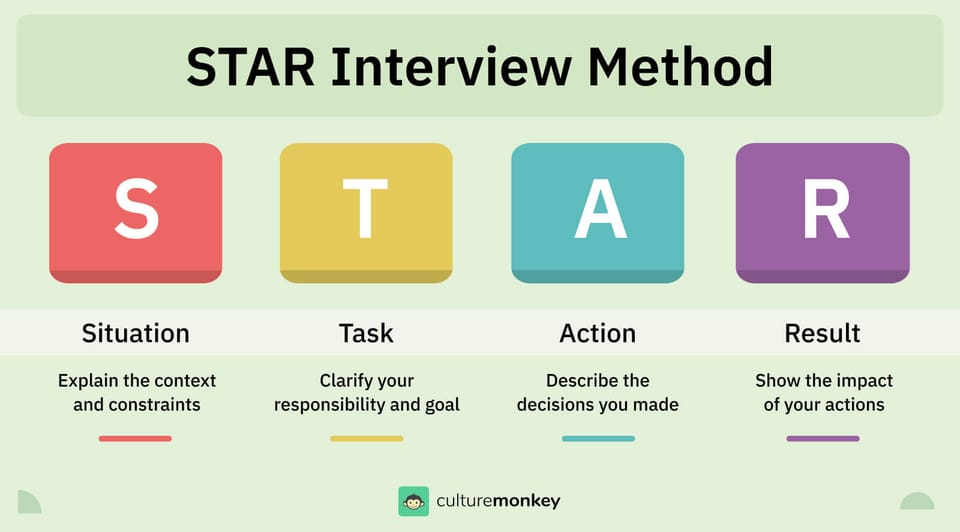
STAR method interview questions: How to answer them with real examples
STAR method interview questions are structured prompts that ask candidates to explain a situation, action, and result to assess real past behavior clearly.